'Confessions': why Madonna will release 'continuation' of track album, 21 years later
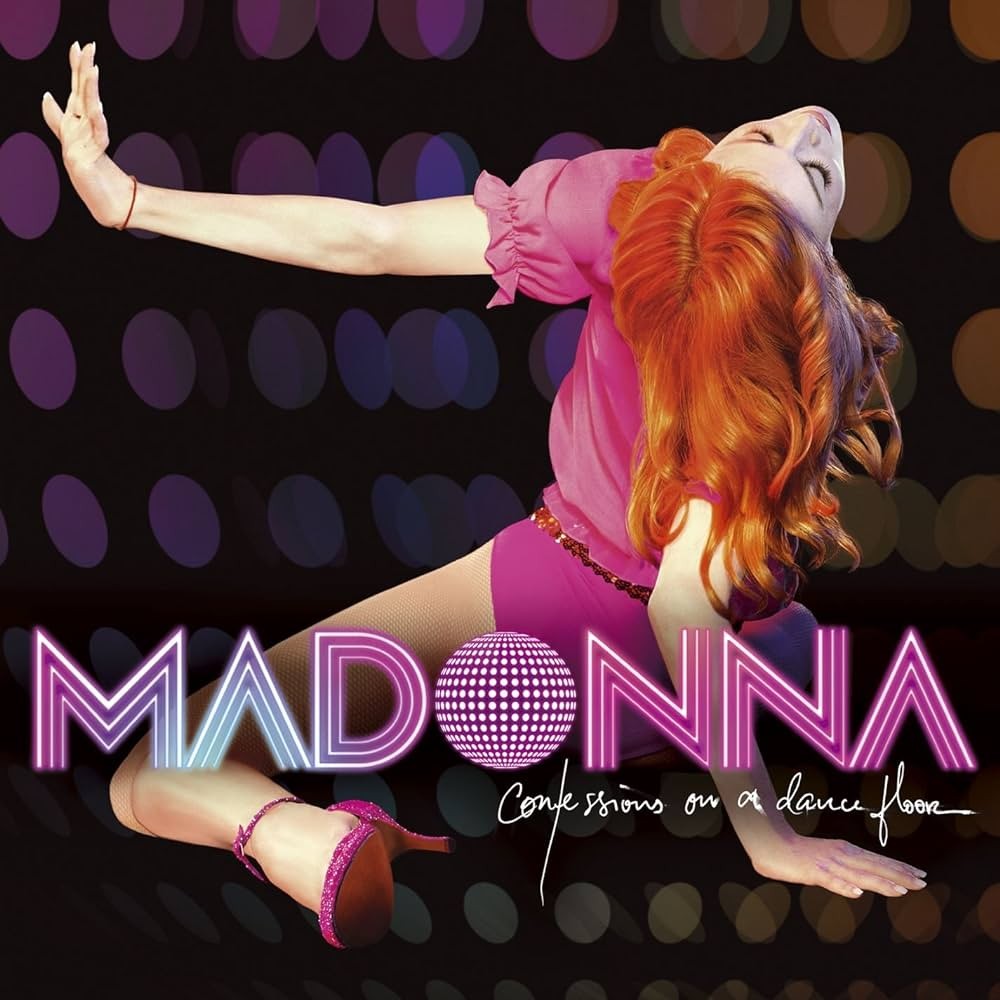
Cover of Confessions on a Dance Floor (2005), Madonna's album
Reproduction
Madonna releases this Friday (3) the long-awaited "Confessions II", an album that "continues" the theme of the album "Confessions on a Dance Floor" (2005).
With production also signed by the British Stuart Price, the singer promises an album "about consciousness and freedom", which explores the electronic music of yesterday, today and tomorrow.
But of all her repertoire, why did Madonna want to revisit "Confessions", 21 years later? To understand this choice, it is necessary to remember the history of the 2005 album and how the album influenced not only her career, but pop music itself.
Returning to the dance floor
In 2005, Madonna was coming off a less popular phase of her career, with the divisive and political "American Life". In a tense moment for the US, post-9/11, she wanted an album with an opposite mood: "I wanted to be happy, silly and dynamic. I wanted to lift myself and others up with this album", she revealed.
Produced by Stuart Price, "Confessions" approaches the dance floor as a sacred place, of confessions and freedom. It is a mainly disco album with a 70s feel, but it has elements from other genres such as house.
In addition, the album was designed "non-stop" (without pauses), like a DJ set. When you play the first song, it gradually turns into the second and so on.
Promotional photo of Madonna for the album 'Confessions on a Dance Floor'
Disclosure
For Madonna - who before being a singer, was a dancer -, dance has a place of absolute importance. It was thanks to the tracks that she achieved her first success ("Everybody"); it was in the clubs that she interacted with names from Keith Haring to Basquiat; and where he met his best friends Martin Burgoyne and Debi Mazar.
That's why, on her 2005 album, she pays homage to the history of pop and disco music (and history itself), with quotes from Abba ("Hung Up"), Donna Summer ("Future Lovers") and more. In the lyrics, it reflects on the passage of time, spirituality and resilience.
Madonna behind the scenes of the 2005 music video 'Hung Up'
Disclosure
What 'Confessions' means to Madonna
Over time, "Confessions on a Dance Floor" (2005) came to symbolize everything we associate with Madonna: it is a testament to freedom, expression and longevity.
The album marked a new peak for Madonna at age 47, with more than 20 years of career. With "Confessions", she proved that she remained relevant and still defied expectations - after all, investing in disco music in 2005 was not an obvious choice. The phase also yielded "Hung Up", to this day one of the biggest hits from a singer full of hits.
It was also one of the most influential albums of his career and of pop music in the 21st century. Records like "Future Nostalgia", by Dua Lipa, and "Renaissance", by Beyoncé, were clearly influenced by what Madonna did in this work.
Madonna on the cover of 'Confessions II'
Disclosure
For all this, it makes sense that Madonna would choose this album to revisit. Today, the singer sees the dance floor as an even more sacred and important place, amid technology, political tension, etc. This is the theme she intends to bring in "Confessions II", with a look at the present and the future.
"'Dancing is not a meaningless act, but it allows you to create a sense of community and connection. Today, with smartphones, we no longer truly connect, even if we delude ourselves into thinking we do. Instead, each dance floor is a ritualistic space where you free your body and mind, anxiety disappears and you have the chance to perhaps reach a deeper state of consciousness," he told Vogue Italia.
In addition, she comes from the "Celebration" tour, in which she celebrated her own career. Now, she prepares to continue honoring his legacy - this time, looking forward.
Source: G1