Coffee became almost 16% cheaper in one year and gave consumers a boost
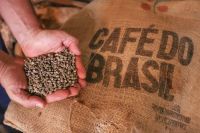
Traditional coffee in Brazil fell 15.51% in one year, with a kilo at R$55.34 in April 2026, compared to the same month last year. The grain's disinflationary dynamics occur after two years of increases caused by limited raw materials and record prices on international stock exchanges, passed on to the consumer on the shelves. The data are from the Brazilian Coffee Industry Association (ABIC).
With the improvement in the harvest at the turn of 2025 to 2026, there was greater availability of grains for processing. The replenishment of stocks in supermarkets helped to alleviate consumer budgets, which faced a spike in coffee prices between November 2024 and the first four months of 2025.
Of the eight categories monitored by the entity, only three registered an increase in consumer prices: specialty coffees and decaffeinated coffees, with increases of 16.9% and 21%, respectively. Instant coffee had a slight increase of 0.55%.
The coffees with a greater predominance of the Arabica variety and that fit into these categories of more detailed systems and high drink scores had an added value in the price.
The decline in coffee prices, however, still does not bring the value per kilo of the product to the levels practiced before 2020, when Brazil had a record harvest and the volume guaranteed cheaper prices on the shelves.
Still, after April 2025, the behavior of prices in supermarkets was slow, accommodating production costs that practically doubled between the 2024 and 2025 harvests and put pressure on the entire coffee chain.
Between 2024 and 2025, for example, prices accumulated an increase of 77.78% in 12 months. In 2025 alone, the increase was 66% for the consumer, while in the first quarter of this year the appreciation still exceeds 30%, despite recent signs of accommodation in the market.
Coffee consumption
According to the president of Abic, Pavel Cardoso, the most intense increases in coffee began to be felt in retail between the end of 2024 and the first months of 2025. "The escalation began in November 2024, but the transfers reached the consumer more fully in March and April 2025", he stated.
According to him, the sequence of adjustments reduced consumption in the first four months of last year. "Consumption fell 5.31% in that period due to the rise in prices. In 2026, in the same period, we observed growth of 2.44%, which indicates a recovery trend, depending on the confirmation of the harvest", he said.
Cardoso added that the volatility of the international market put pressure on the replenishment of industrial stocks. "Industries have a constant need to purchase raw coffee. When prices start to rise, stocks become lower and any interruption in supply leads companies to purchase again," he stated. According to him, the sector faced difficulty in repurchasing raw materials amid high prices.
The trend, he said, is that if harvest projections are confirmed, 2026 could record one of the highest volumes in the sector's recent history, even surpassing 2020. "There are rumors of occasional drops in Espírito Santo and southern Bahia, but, if the average estimates from official bodies are maintained, the trend is for more regular behavior of crops and transfer of this scenario to retail", he explained.
According to him, the reduction in volatility tends to favor further price drops until the end of the year, although the scenario still depends on confirmation of the size of the harvest and weather conditions related to El Niño.
Industry stocks
Cardoso also stated that the industry has been working with lower levels of stock coverage given the strong fluctuations in the market. "Volatility causes companies to avoid longer positions. This affects the financial flow of industries and makes it difficult to maintain regular margins in retail," he said.
Source: CNN