Clean Record Law: STF may block benefits from convicted politicians
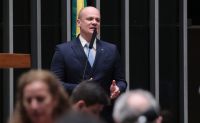
The STF (Supreme Federal Court) began judging last Friday (22) actions that question changes to the Clean Record Law approved by Congress in 2025. The changes reduced the period of ineligibility in some cases and could pave the way for convicted or impeached politicians to be able to contest this year's elections.
Among the names highlighted as possible beneficiaries of the new rules are the former president of the Chamber Eduardo Cunha, the former governor of Rio de Janeiro Anthony Garotinho and the former governor of the Federal District José Roberto Arruda.
In the case of Cunha, the impact is related to the change in the count of ineligibility of impeached parliamentarians.
Previously, the punishment considered the remaining period of the term plus eight years. With the new rule, the period started to be counted only from the decision that determined the loss of the position, reducing the total time of electoral leave.
Arruda also appears among those who could benefit from the changes. Convicted of administrative improbity and illicit enrichment in the scandal known as Pandora's Box, the former governor had his political rights suspended for 12 years.
Garotinho can now be affected by the changes because he was convicted of administrative misconduct in 2018. The new legislation changed the way ineligibility was counted in some cases and created limits for some cases of successive convictions.
The changes were approved by Congress and sanctioned by President Luiz Inácio Lula da Silva (PT) with vetoes in September last year. The rule is the target of actions presented by Rede Sustentabilidade, which maintains that the changes undermine the Clean Record Law and represent a setback in the protection of administrative and electoral morality.
Reporter of the case, minister Cármen Lúcia voted to overturn central sections of the new law. According to the judge, the changes unduly reduce periods of ineligibility and weaken the system created by Ficha Limpa.
In his vote, Cármen stated that the changes promoted by Congress "disfigure" the logic of the legislation and reduce the scope of punishments provided for convicted politicians.
The minister defended the reestablishment of previous rules on points such as revocation of mandate, resignation to avoid loss of position and counting of ineligibility in collegiate convictions.
The PGR (Attorney General's Office) defended the maintenance of most of the law, but asked for the repeal of specific sections that allow the period of ineligibility to be counted simultaneously with the suspension of political rights.
The trial takes place in the virtual plenary session of the STF and continues until next Friday (29). The remaining ministers still need to vote.
STF begins trial on changes to the Clean Record Law | BEHIND THE SCENES CNN
Understand what has changed
Deputies and senators
Federal, state or municipal parliamentarians who lose their mandate by decision of their peers are ineligible for the remainder of the term and the following eight years.
With the change, ineligibility starts to count from the moment of loss of mandate, reducing the period in which the convicted person will be prevented from running.
Governors and mayors
Governors and mayors whose mandates are revoked by decisions of state assemblies or city councils are ineligible for the remainder of the term and for the following eight years.
With the changes, ineligibility starts to count from the moment of loss of mandate, reducing the period in which the convicted person will be prevented from running.
Politicians convicted of common crimes
Politicians convicted of common crimes, such as money laundering, against the environment, drug trafficking or against sexual dignity, were ineligible for eight years after serving their sentence.
With the change, the eight-year ineligibility period will start counting from one of the following dates:
- the decision to decree the loss of mandate;
- the election in which abusive practice occurred;
- the conviction by a collegial body; or
- resigning from elected office.
Source: CNN