Cape Verde player was called up by LinkedIn, almost missed a message, and is now competing in the World Cup
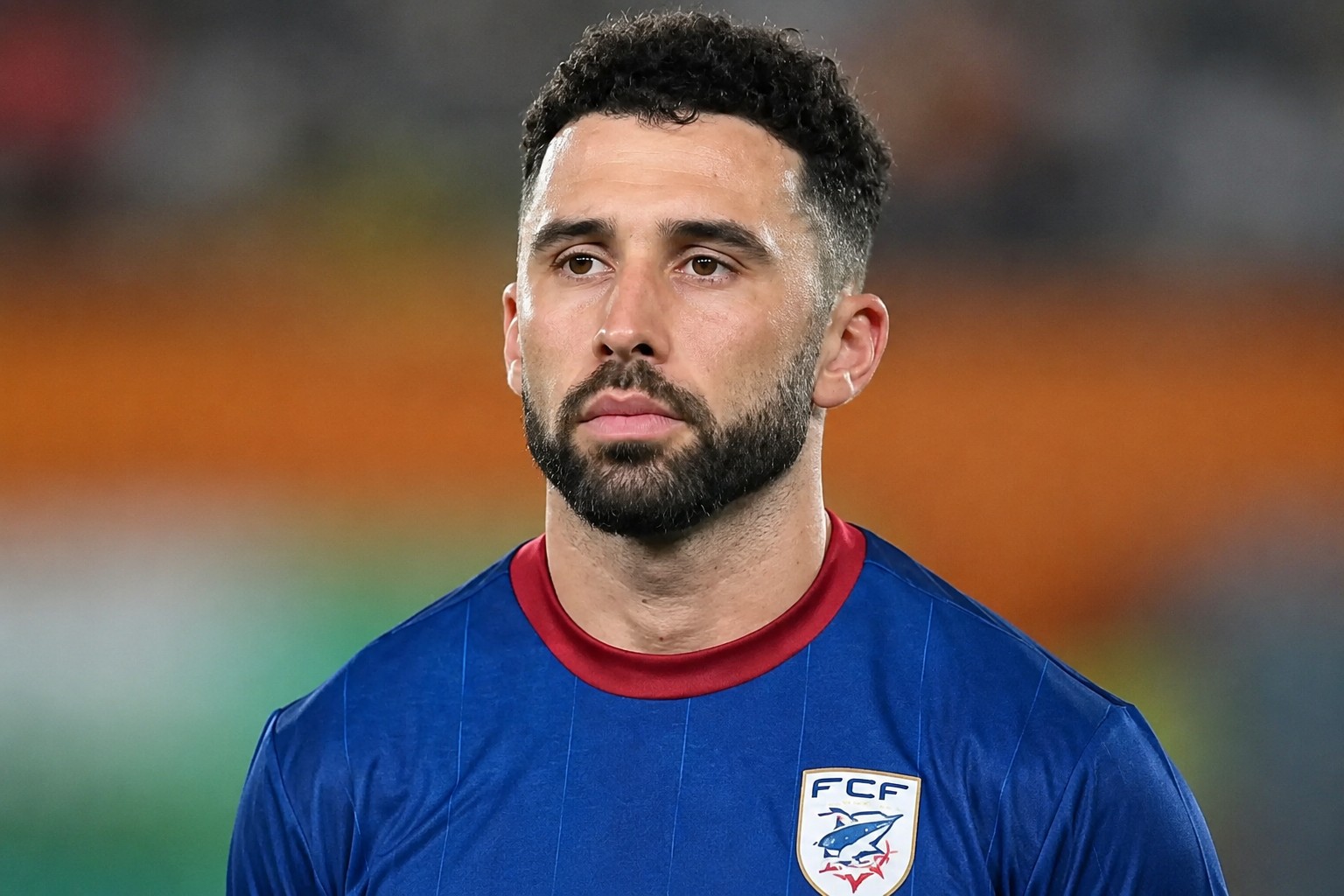
Roberto "Pico" Lopes, player from Cape Verde who was called up by LinkedIn.
Disclosure/Fifa
When Cape Verde takes the field against Spain this Monday (15), for the 2026 World Cup, one of the players will carry one of the most unlikely stories of the tournament. Defender Roberto "Pico" Lopes joined the African team after receiving a message on LinkedIn - and almost missed the opportunity.
Favorite g1 on Google and follow the main news of the day
Born and raised in Dublin, Ireland, Lopes had a discreet career in local football when he received, in 2018, a message from the then Cape Verde coach, Rui Águas. The coach had discovered that the defender had Cape Verdean ancestry on his father's side and wanted to know if he was interested in defending the national team.
The problem was that the message was in Portuguese.
Without mastering the language and accustomed to using LinkedIn only for academic and professional matters, the player ignored the contact. According to him, he believed it was an attempted coup.
The Cape Verdean federation, however, insisted. Months later, a new message was sent, this time in English. From there began a journey that would take the defender to the biggest stage in world football. Since his debut for the national team in 2019, Lopes has become one of the pillars of the team.
"I thought the message was spam. I should have used Google Translate before," joked the defender, in an interview with the FIFA website.
LinkedIn profile that earned Roberto "Pico" Lopes a place in the Cape Verde team.
Reproduction / Box
Few athletes born in the country and a historic ranking
With approximately 600 thousand inhabitants and just over 50 years of independence from Portugal (1975), the African archipelago steps onto football's most prestigious stage for the first time.
With 4 thousand km² in length, Cape Verde has a territory equivalent to a quarter the size of Sergipe, the smallest state in Brazil.
Most of the team's athletes were born outside the country, but had the right to represent the team due to family ties. This is how the "Blue Sharks" won an unprecedented place in the 2026 World Cup.
Source: G1