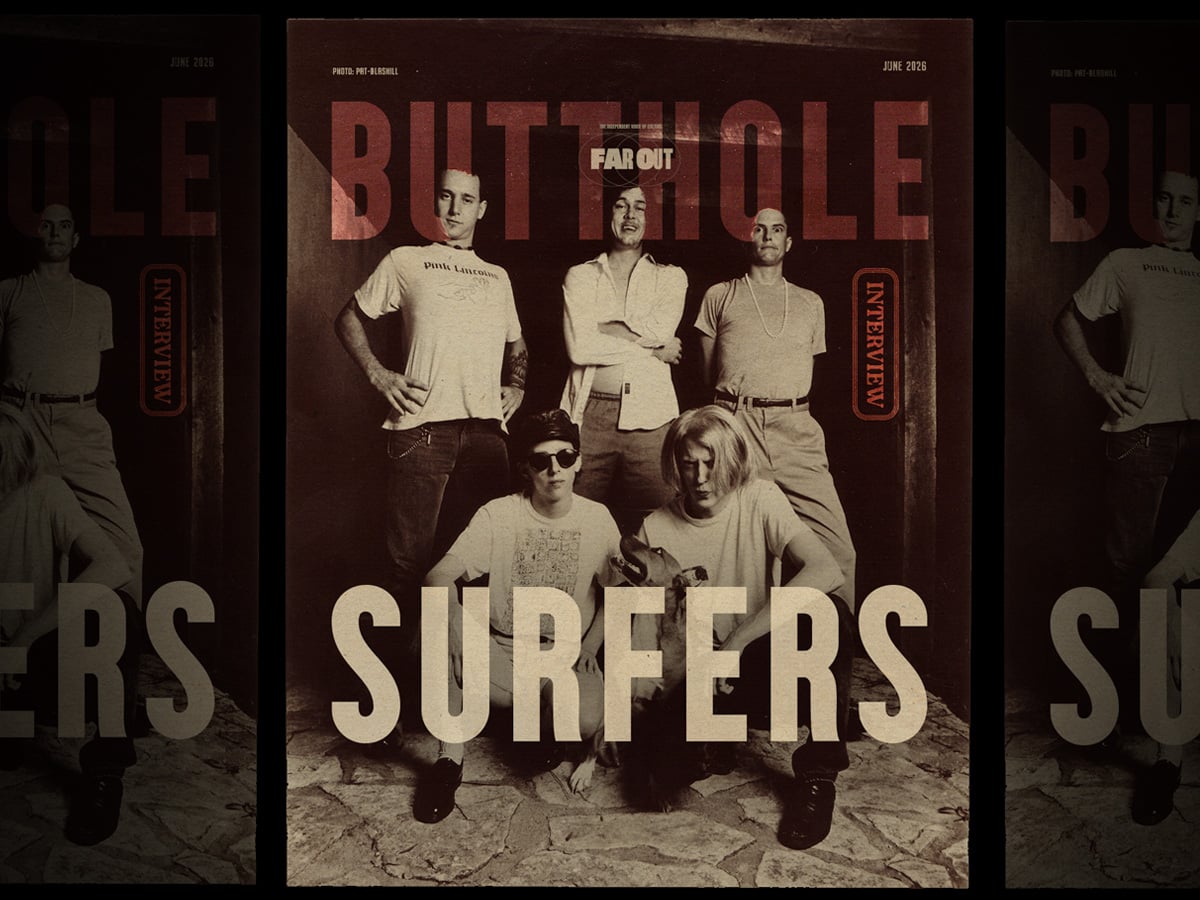
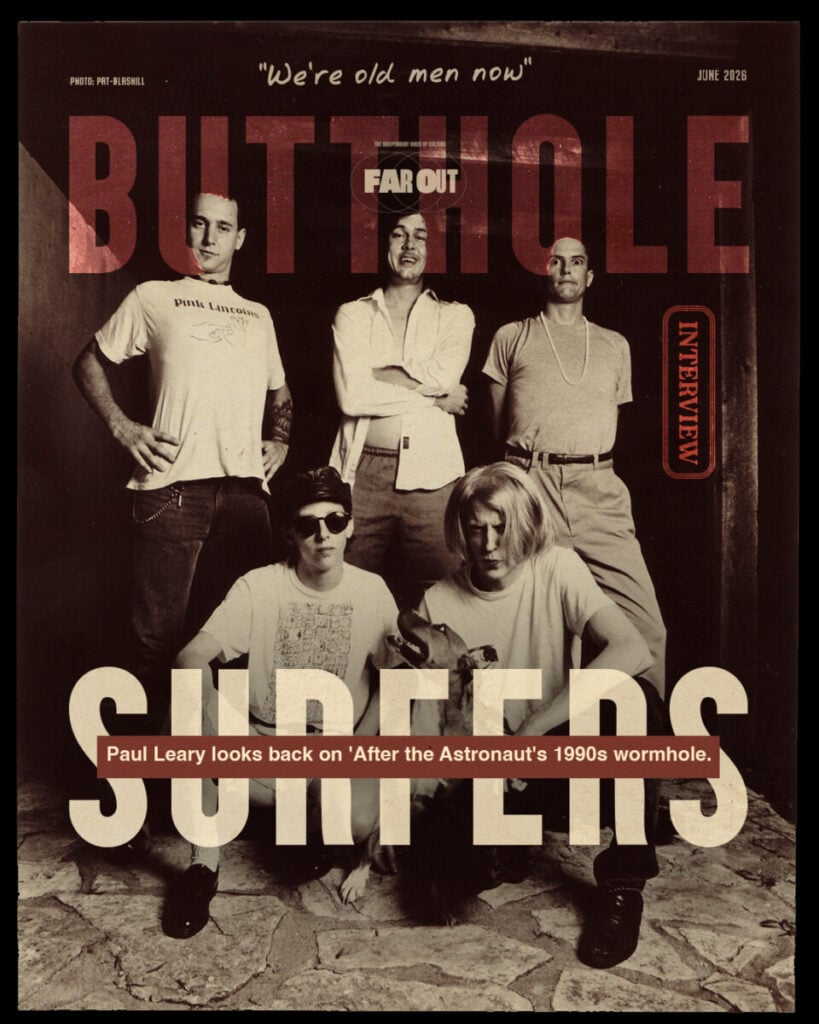
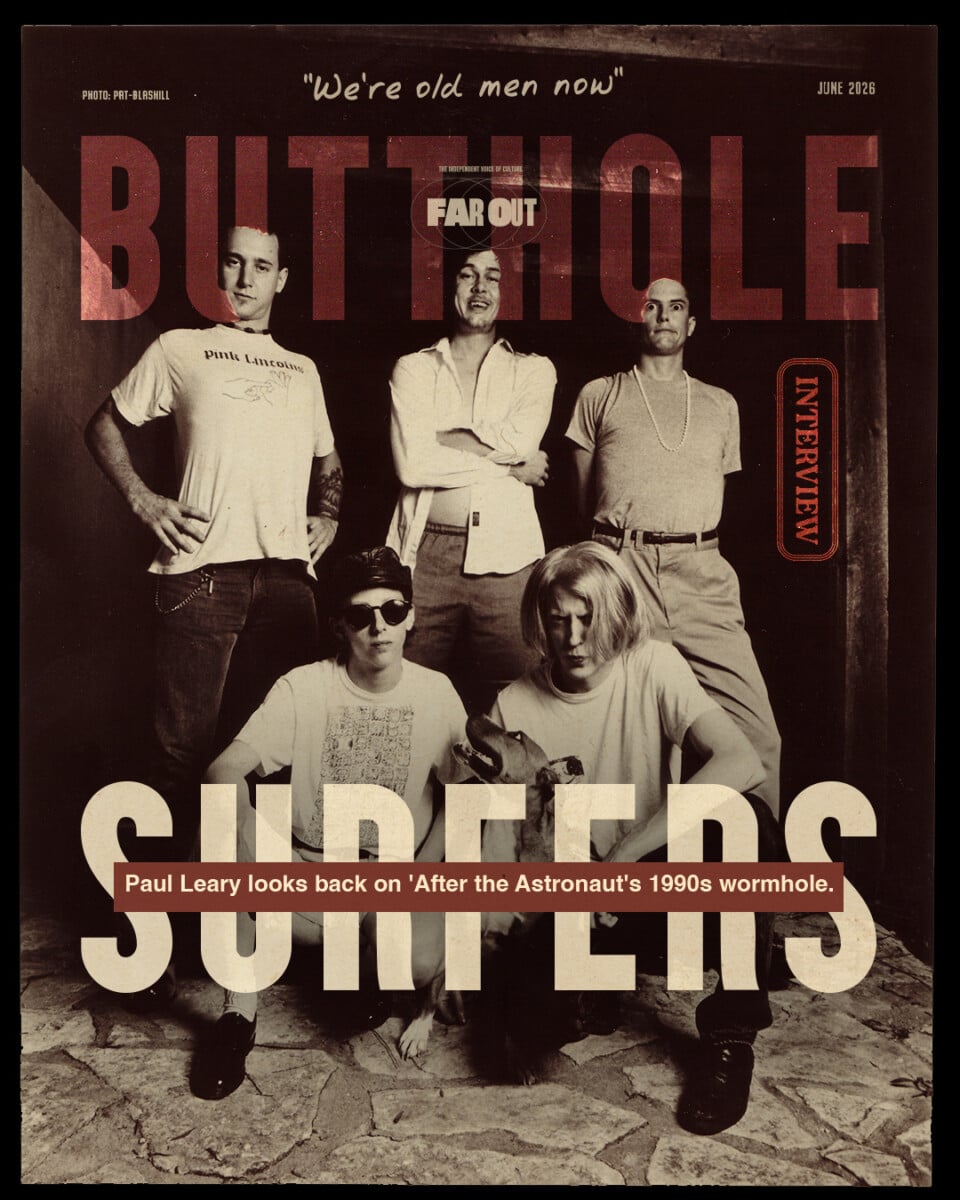
Butthole Surfers: Paul Leary reveals the untold story of lost 1990s album 'After the Astronaut'
Por Equipe Editorial CifraNET · 26/06/2026
Publicidade
Almost legendary among fans, Butthole Surfers' lost album "After the Astronaut" has finally been officially released after nearly three decades forgotten in the band's archives. Although pirated copies and digital versions have circulated since the days of Napster, it was guitarist and co-founder Paul Leary who rescued the original tapes for remixing, revealing exactly where the band found themselves musically in the late 1990s.
The Butthole Surfers' trajectory was marked by a wild and innovative journey. In the 1980s, the group was already known as one of the most intense and psychedelic bands in the American alternative underground, with live shows that became legendary for their chaotic energy, use of LSD, pyrotechnics and shocking visual performances. The culmination of this phase was the 1987 album "Locust Abortion Technician", considered a milestone for the band.
In the 1990s, with the explosion of Seattle grunge, the Butthole Surfers were catapulted into the alternative mainstream, participating in festivals such as Lollapalooza and gaining space on MTV. For Paul Leary, this rise felt surreal, as if they were in an episode of "Candid Camera." He recalls that, after years of difficulties, the band ended up signing with a major record label, working with John Paul Jones from Led Zeppelin and even scoring a hit.
Their success also brought criticism, with many original fans accusing them of "selling out". Leary admits to this "selling out" but sees it as part of the joke that has always been the Butthole Surfers' identity. Even with their fame, the band kept their creativity alive. After 1996's "Electric Larryland" album, they adopted a new way of working, with each member creating demos at home before bringing everything together in the studio, rekindling the experimental spirit of their early days.
Recorded in 1998, "After the Astronaut" delves into the musical trends of the time, but with the band's unique brand. The album features cutting hip-hop beats, industrial elements, danceable grooves and a rich, eccentric sonic collage. Tracks like "Intelligent Guy" and "Jet Fighter" showcase this diversity, while "I Don't Have a Problem" captures moments of humanity through samples of illegally intercepted phone calls from drummer King Coffey.
Despite the enthusiasm for the album, Capitol Records blocked its release, questioning its commercial appeal, and ended up dropping the band from its catalog. Leary remembers bitterly the period of limbo that followed, when the record company still owned the rights and the band could not release the material.
The change in Capitol's presidency, from Hale Milgrim to Gary Gersh, contributed to this rupture. With no record label and no control over the album, the days of creative freedom atop the Capitol building were behind them. However, a partnership between the independent record label Surfdog and Hollywood Records, part of the Disney group, purchased the rights to the project. Still, the new record company imposed changes, removing and adding tracks, which displeased both the band and the fans.
The result of these changes was the album "Weird Revolution", released in 2001, which Paul Leary considers a weak ending to the band's history. The original material was diluted, and tracks like "Dracula from Houston" and "The Shame of Life" clashed with the rest, the latter co-written by Kid Rock, whose later political trajectory displeased Leary.
Leary confesses that reliving this phase is painful, especially due to Gibby Haynes' personal problems and the tense episodes in the studio. Still, he understands that it was all part of the joke that the Butthole Surfers always were, a joke that exceeded all expectations.
After years in which "Weird Revolution" was seen as the band's final chapter, Leary rediscovered the original analog tapes of "After the Astronaut" in the 2020s and decided to restore the album to its authentic form. With permission from Hollywood Records, the album was finally released, offering fans a direct journey back to the peculiar moment when the Butthole Surfers surfed the waves of 1990s music.
Without access to the original mixes, Leary chose to preserve the essence of the album, simply enhancing the sound to give it more weight and clarity. He acknowledges that the album sounds dated, but that's part of the charm. "We're dated, we're old men now", says the guitarist, thus ending the band's saga on his own terms, accompanied by the documentary "Butthole Surfers: The Hole Truth And Nothing Butt".
This release not only rescues a forgotten chapter in the history of the Butthole Surfers, but also offers a candid look at the challenges, absurdities and achievements of one of the most eccentric and influential bands in American alternative rock.