Brazilian government changes meat export rules to the European Union and tries to avoid embargo
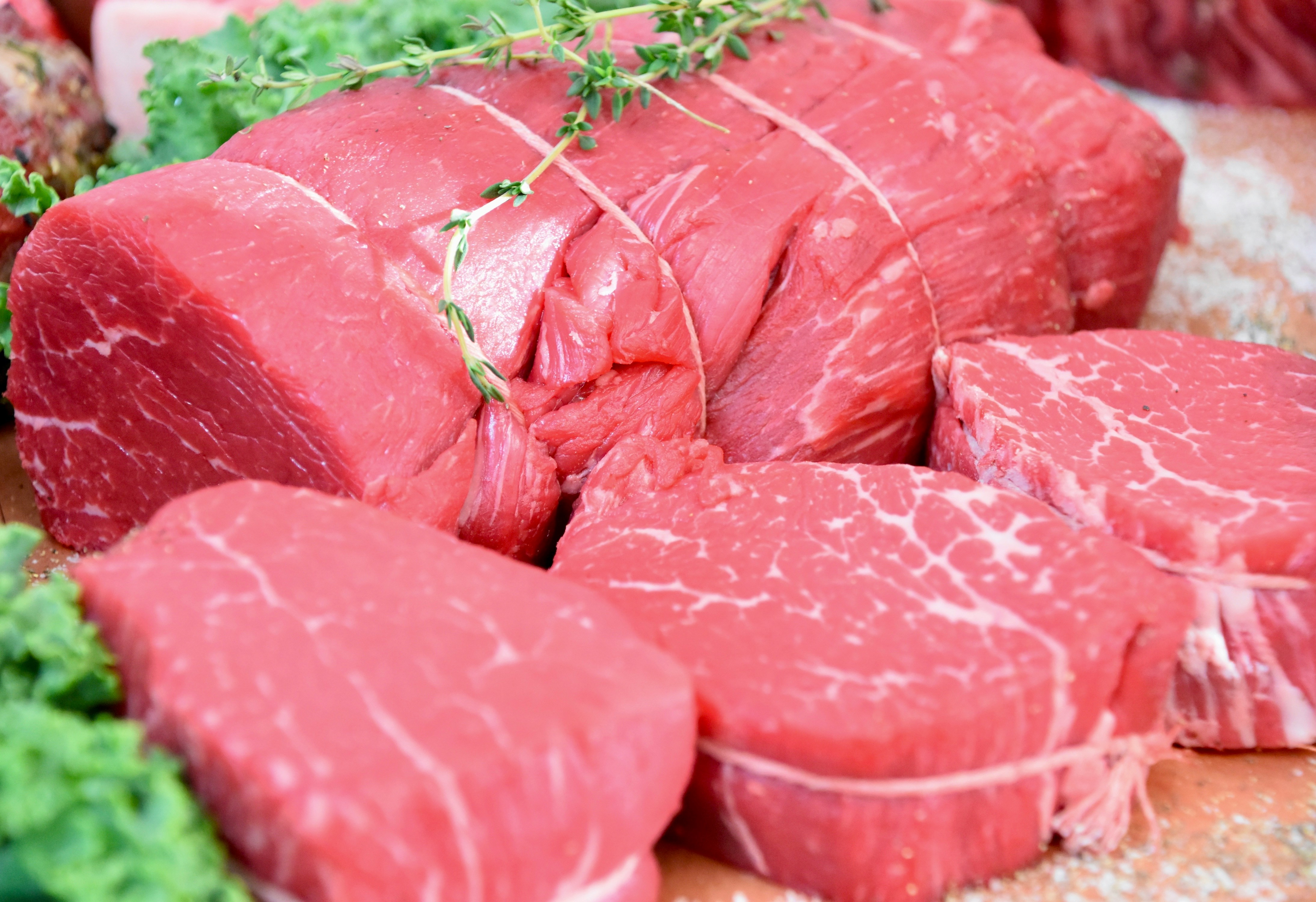
Brazilian government creates protocol with new rules for exporting beef to Uni
The Ministry of Agriculture changed rules for exporting meat and meat products to meet European Union requirements regarding the use of antimicrobials, according to the Reuters news agency. The measure seeks to avoid the suspension of shipments to the bloc from September 3rd.
The European Union has threatened to interrupt some imports from Brazil if the country does not comply with rules prohibiting the use of antimicrobials.
➡ Antimicrobials are substances used to treat and prevent infections in animals. Some of these medicines can also function as growth promoters.
Under the new standards, slaughterhouses authorized to export to the bloc must implement auditable controls that prove compliance with European rules, according to a ministry circular dated July 1 obtained by Reuters.
Controls must guarantee the traceability of materials and animals, as well as maintain evidence of the eligibility of batches destined for the EU.
The Brazilian Association of Meat Exporting Industries (Abiec) declined to comment on the measure, while the Brazilian Animal Protein Association (ABPA) did not immediately respond to Reuters' requests for comment.
Do you have any suggestions for a report? Send to g1
Brazil left out
Brazil was removed from a list, released in May, of countries authorized to export meat to the European Union due to concerns about the use of antimicrobials.
The European Union accounts for 5.8% of the value that Brazil exports in beef, which places the bloc as the third largest destination for the product, after China (49.3%) and the United States (9%), according to data from Agrostat, a system from the Ministry of Agriculture.
Poultry meat exports totaled US$800 million in 2025, and beef exports exceeded US$1 billion.
Brazil runs the risk of losing access to export beef, poultry meat, eggs, aquaculture products, honey and tripe.
To meet the new requirement, the Ministry of Agriculture published, on May 29, an ordinance creating the Certification Protocol for Cattle Free from the Use of Antimicrobial Medicines.
Adhesion is voluntary, but it will be necessary for those who intend to continue exporting meat to the European market.
➡ The process involves hiring an accredited certifier, signing a term of adherence, preparing health and nutritional plans, in addition to proving control over the use of prohibited medicines.
After document analysis and inspection of the property, the certifier will be able to issue the certificate within seven days.
Also read:
Brazil must achieve meat export quota to China in August, and the price of live cattle falls
El Niño could benefit crops in Brazil and Argentina, says report
EU-Mercosur Agreement comes into force in Brazil: what changes for agriculture
Source: G1