Bomb topics: Minister of Finance discusses renegotiation of agribusiness debt with deputies
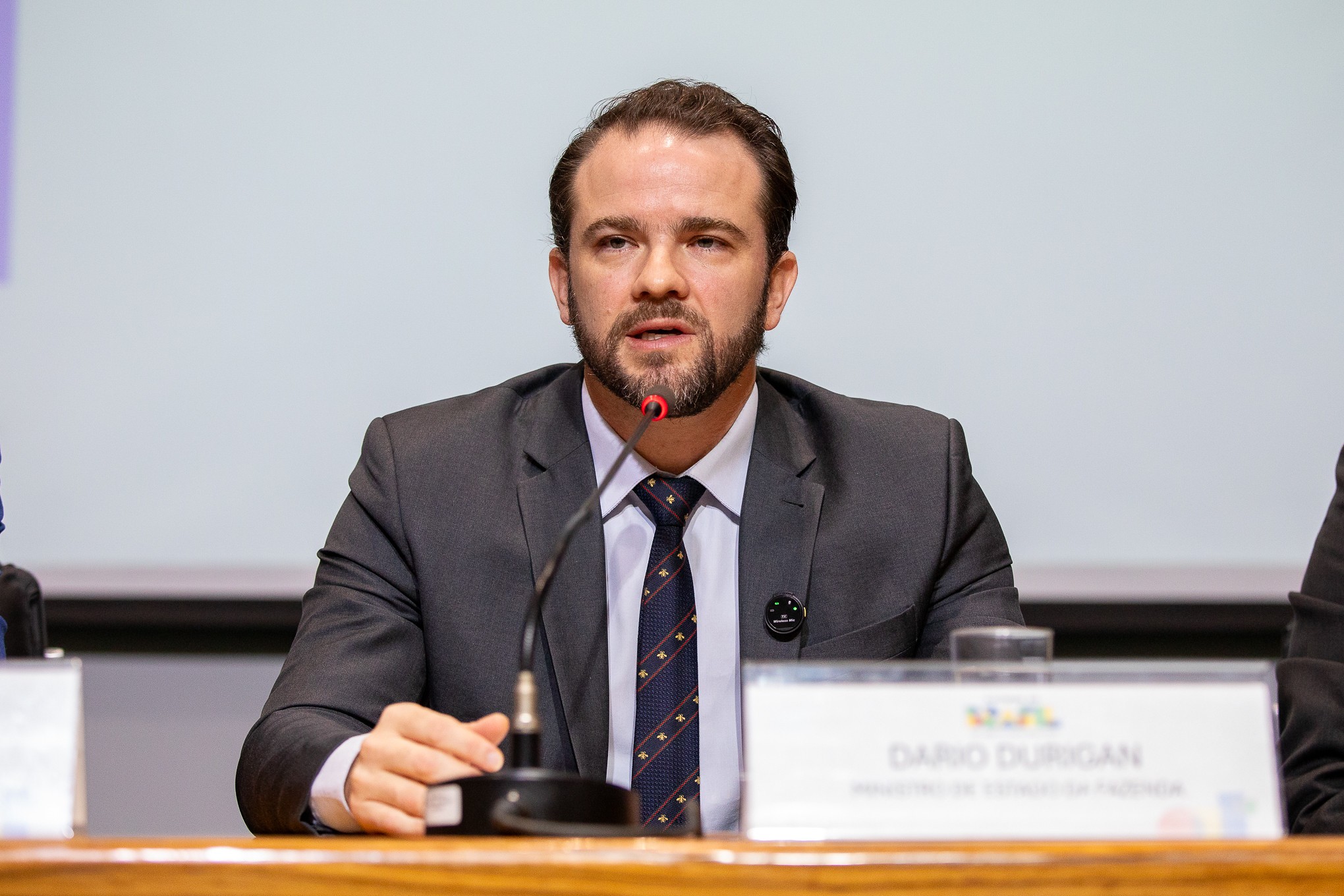
The Minister of Finance, Dario Durigan, discussed with deputies from the ruralist bench this Wednesday (17), during a public hearing in the Chamber of Deputies, the renegotiation of agribusiness debt.
Questioned by deputy Alceu Moreira (MDB/RS), during a public hearing in the Chamber of Deputies, Durigan stated that the government "will find a solution together with congress to extend a helping hand and help agribusiness Brazilian".
"My concern is getting the dose of aid wrong. If it is authoritative and the government extends a helping hand to those who don't need it, I am open to closing an agreement within the proposed framework", added the Minister of Finance.
He pointed out that more than 90% of Brazilian agribusiness does not have a debt problem, and said that it is important to look at default using financial resources (subsidized lines of credit), that is, without implying primary expenses of the ministries.
Now on g1
In conversations with interlocutors, the president of the Chamber of Deputies, Hugo Motta, said that the measure is "priceless", that the aid guidelines for agribusiness "need to have a limit" and that it is not possible to approve everything that the ruralist caucus wants.
Minister of Finance Dario Durigan in a press conference.
Washington Costa/MF
Bomb agenda
On the agenda in recent months, the topic has generated tensions between the government and the National Congress. Because it has a billion-dollar impact on public accounts, the project is treated as a "bomb agenda" by the economic area.
In practice, a bomb agenda refers to a bill or a Legislative matter that creates high-value expenses, putting pressure on public coffers, or reducing revenue or increasing public spending.
Already approved by the Federal Senate, the project creates a special line of rural credit for the renegotiation of producers' debts. To be valid, however, it still has to pass the scrutiny of the Chamber of Deputies and be sanctioned.
The benefits will be for producers affected by extreme weather events or economic impacts resulting from international geopolitical conflicts. (understand how it will work).
According to calculations by the Ministry of Finance, the project that deals with the renegotiation of rural debts with equalization of interest rates by the Union, accounts for a cost of up to R$140 billion over 13 years.
Estimates from the Parliamentary Agricultural Support Front (FPA) point to a smaller impact, of R$65 billion over 13 years; being R$5 billion in the first year and falling to up to R$500 million in the last year. The portfolio to be renegotiated is around R$100 billion.
The Minister of Finance, Dario Durigan, has already spoken on other occasions that the government will veto, and even sue the Federal Supreme Court (STF), on issues related to the so-called "bomb agendas".
Source: G1