Bill Black: How Elvis Presley's bassist achieved solo success after leaving the band in 1958
Por Equipe Editorial CifraNET · 25/06/2026
Publicidade
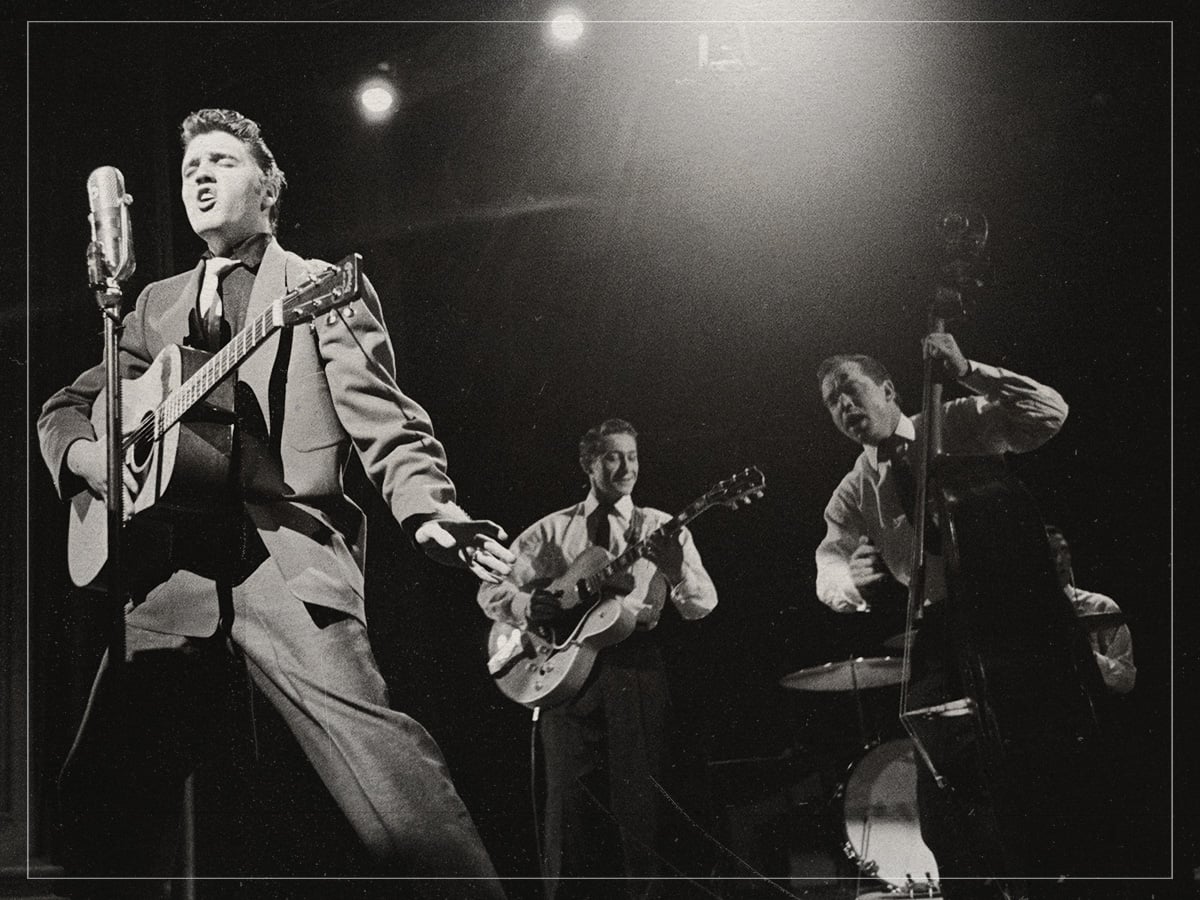
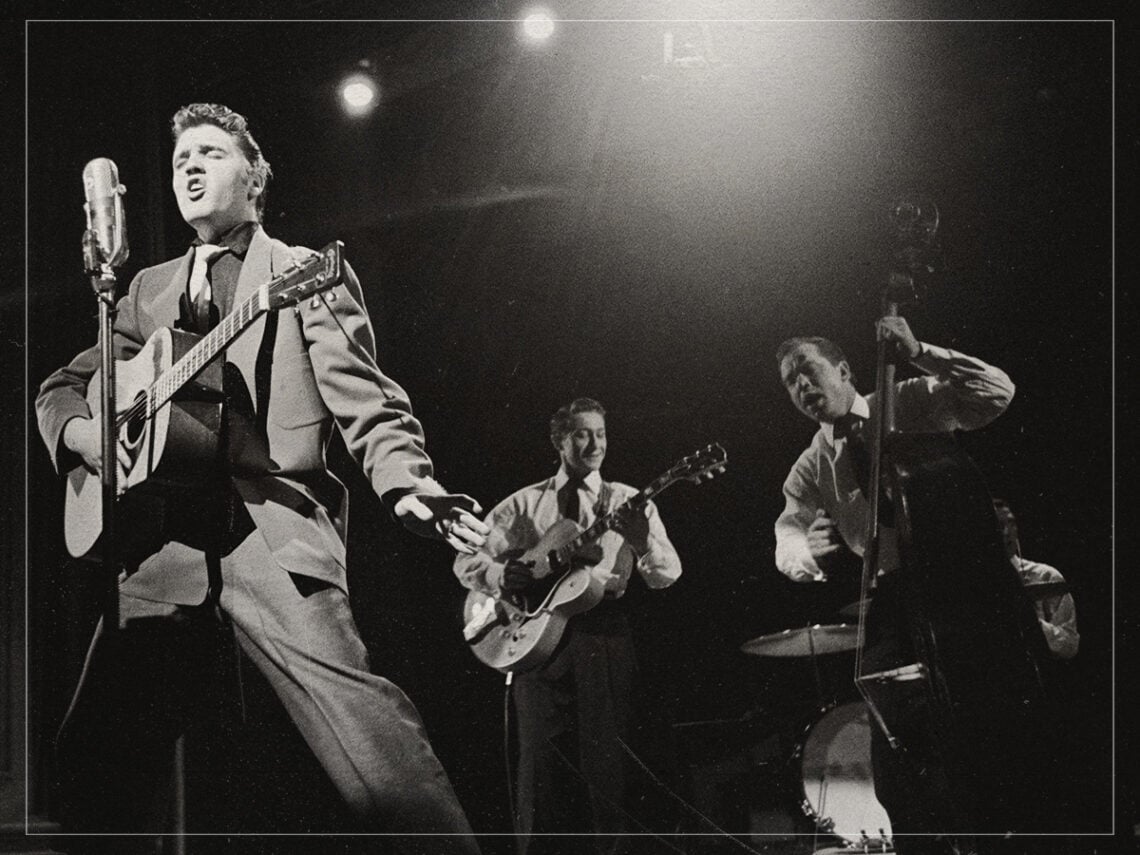
The history of rock and roll is marked by many influences and pioneers who helped shape the genre, but few had as significant an impact as Elvis Presley. However, behind the resounding success of the "King of Rock", there were essential musicians who contributed to the unique sound that conquered the world. One of them was Bill Black, the bassist who not only helped catapult Elvis to stardom but also built a highly successful solo career after leaving the band in 1958.
In the 1950s, rock and roll emerged as a vibrant mix of rhythm and blues and American blues. Artists like Chuck Berry, Little Richard and Bill Haley were already beginning to gain prominence, but had not yet reached their commercial peak. It was Elvis Presley who really brought the genre into the spotlight, thanks to his distinctive voice and innovative performance style, which included dance moves that shocked and fascinated audiences at the time.
Elvis quickly became the biggest musical phenomenon in the United States, especially after his appearances on television shows such as the iconic The Ed Sullivan Show. The singer's popularity grew exponentially, and his backing band became fundamental to the success of the show. Bill Black, who played acoustic and electric bass, was a key player in this process. His "slap bass" technique - a style that added a percussive beat to the bass - gave Elvis' music an infectious energy, essential to the pulsing rhythm of rock and roll.
Despite the prestige and stability that his position in Elvis' band provided, Bill Black felt that his potential went far beyond being just a backing musician. He craved prominence and believed he could shine as a leader in his own career. Recognized by many as one of the forces behind Elvis' success, Black decided to risk everything and go solo, leaving the band in 1958.
This decision, which could have been risky for a musician at the time, proved to be a decisive step for Bill Black. He quickly consolidated his artistic identity and achieved success with a series of hits during the 1950s and 1960s. His greatest solo triumph was the song "Smokie, Part 2", which not only reached the top of the R&B charts but also sold more than a million copies, establishing Black as a prominent artist in his own right.
Bill Black's trajectory is an inspiring example of how a musician can transcend the supporting role and achieve individual recognition, even after being part of a cultural phenomenon as big as Elvis Presley. His contribution to rock and roll remains invaluable, both as a bassist who helped define the sound of an era, and as a solo artist who knew how to harness his talent to build a lasting and respected career.