Best cities to live in Brazil: what defines quality of life
The answer to what defines a city as the best to live in Brazil goes far beyond location or property costs. Today, quality of life is measured by a set of factors that include security, mobility, access to healthcare, education, job opportunities, sustainability and well-being.
Surveys such as the Social Progress Index (IPS Brasil) evaluate Brazilian municipalities based on social and environmental indicators, helping to identify cities that offer better conditions for their residents. The indicator considers aspects related to basic human needs, well-being and opportunities available to the population.
The best cities to live in are those capable of balancing economic development, urban infrastructure and quality of life.
Which cities stand out when it comes to quality of life?
National rankings show that cities of different sizes can offer excellent living conditions. Among the best-rated municipalities are locations in the interior of São Paulo, cities in the south of the country and capitals that stand out for their investments in mobility, education, health and urban planning.
Frequently cited examples include:
- Curitiba (PR);
- Florianópolis (SC);
- Belo Horizonte (MG);
- Goiânia (GO);
- Campinas (SP);
- São José dos Campos (SP);
- Jundiaí (SP);
- Campo Grande (MS).
Although each survey uses its own methodologies, there is a consensus that cities with good infrastructure, access to services and consistent urban development tend to present better indicators.
Does sustainability influence the choice of city and property?
Yes. According to José Luiz Esteves da Fonseca, Executive Manager of Institutional Relations and Sustainability at MRV&CO, the real estate market is experiencing structural change.
"The real estate market is moving towards a new paradigm: that of living with purpose. More than location and size, buyers are prioritizing quality of life, sustainability, health and well-being and an urban infrastructure that allows quick and safe accessibility."
In this context, sustainability is seen as a concrete decision criterion when purchasing properties and choosing where to live.
Among the factors most valued by buyers are:
- Green areas;
- Efficient urban mobility;
- Thermal comfort;
- Natural lighting;
- Energy efficiency;
- Rational use of water;
- Leisure infrastructure;
- Proximity between housing, work and services.
What are Brazilians currently looking for when choosing a city to live in?
The buyer profile has changed significantly in recent years.
More than evaluating the property in isolation, people observe the impact that the city and the neighborhood will have on their routine. Aspects such as commuting, access to services and a sense of belonging have gained relevance.
Factors such as security, basic sanitation, public lighting, quality of access roads, transport, supply of commerce and services, integration with green areas, access to schools and health units are side by side with the price of the property as decision-making criteria.
What makes a city good to live in?
For MRV, the largest construction company in Latin America, the best cities to live in are those that manage to balance economic growth, urban development and quality of life.
According to José Luiz, housing must be analyzed within a broader context, which involves the entire infrastructure surrounding the project.
"We are not just a construction company, we deliver housing solutions. And housing is not limited to high-quality apartments. The entire neighborhood of a project influences the added value of the property, such as good access roads, public lighting, sanitation, leisure spaces and integration with the environment."
This vision considers that the quality of life depends not only on the residence, but also on the way the city is planned and organized. Key attributes noted include:
- Urban mobility;
- Economic development;
- Sustainability;
- Security;
- Access to services;
- Living areas;
- Urban planning;
- Integration between housing, work and leisure.
How does Cidade Sete Sóis represent the future of cities?
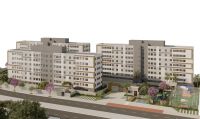
MRV's Cidade Sete Sóis projects represent one of the most concrete examples of how smart urban development can contribute to the population's quality of life.
The project was designed based on seven pillars:
- Viva Verde;
- Amenities;
- Security;
- Mobility and Accessibility;
- Good Neighborhood;
- Technology;
- Urban Development.
The proposal is to create an integrated environment, where housing, work, services, innovation and leisure are connected, reducing travel and promoting a more efficient and qualified urban living experience.
The venture seeks to bring people closer to economic opportunities and essential services, while encouraging the formation of communities, sustainable practices and the intelligent use of resources.
The initiative is also aligned with the UN Sustainable Development Goals (SDGs), reinforcing the role of urban planning in building more inclusive and resilient cities (SDG 11 - Sustainable Cities and Communities).
How does MRV incorporate sustainability into its projects?
Sustainability is part of the company's development strategy and is present in different stages of projects.
Among the initiatives highlighted by MRV are:
- Investments in low-carbon construction solutions;
- Significant reduction in CO₂ emissions in recent years;
- Adoption of practices aligned with the UN Sustainable Development Goals;
- Search for energy efficiency and rational use of natural resources at all stages of the operation.
These initiatives reflect an increasingly present trend in the real estate market: the interest in projects capable of combining comfort, economy and environmental responsibility.
Is it worth choosing a city just based on the ranking?
Rankings are important because they help identify cities with good social and urban indicators, but they should not be the only criteria for the decision.
The ideal choice depends on individual factors, such as:
- Job market;
- Cost of living;
- School supply;
- Access to healthcare;
- Mobility;
- Security;
- City profile;
- Proximity to family support network.
For this reason, experts recommend evaluating both the city's indicators and the specific needs of each family before making a decision.
FAQ - frequently asked questions about the best cities to live in Brazil
What is the best city to live in Brazil?
There is no single answer. The best city depends on each person's profile, but municipalities with good health, education, safety and infrastructure indicators tend to lead the quality of life rankings.
What is most important when choosing a city to live in?
The main factors are quality of life, access to services, job opportunities, urban mobility, safety and cost of living.
Does sustainability influence the value of properties?
Yes. Developments that offer energy efficiency, green areas and sustainable solutions tend to be more attractive to buyers and investors.
How do MRV's Cidade Sete Sóis projects relate to quality of life?
Cidade Sete Sóis is a living experience developed to integrate housing, mobility, services, technology and sustainability in the same planned urban space, promoting well-being, practicality and quality of life for residents. Projects are available in the cities of Betim (MG), Campinas, São José dos Campos, São Carlos, São Paulo (SP), Rio de Janeiro (RJ) and Salvador (BA).
Source: CNN