Behind the Scenes of the Making of "Loveless": How My Bloody Valentine Produced an Expensive and Iconic Album in 1991
Por Equipe Editorial CifraNET · 25/06/2026
Publicidade
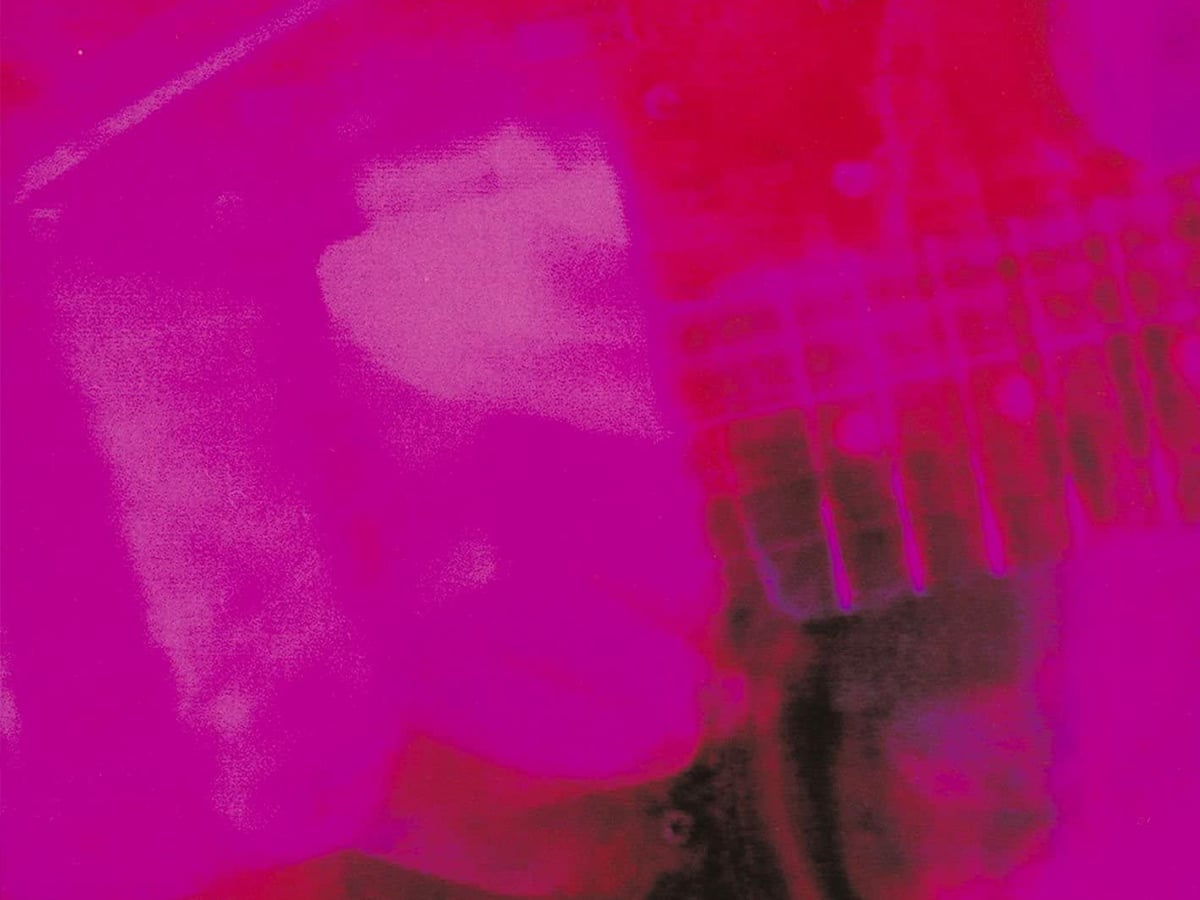
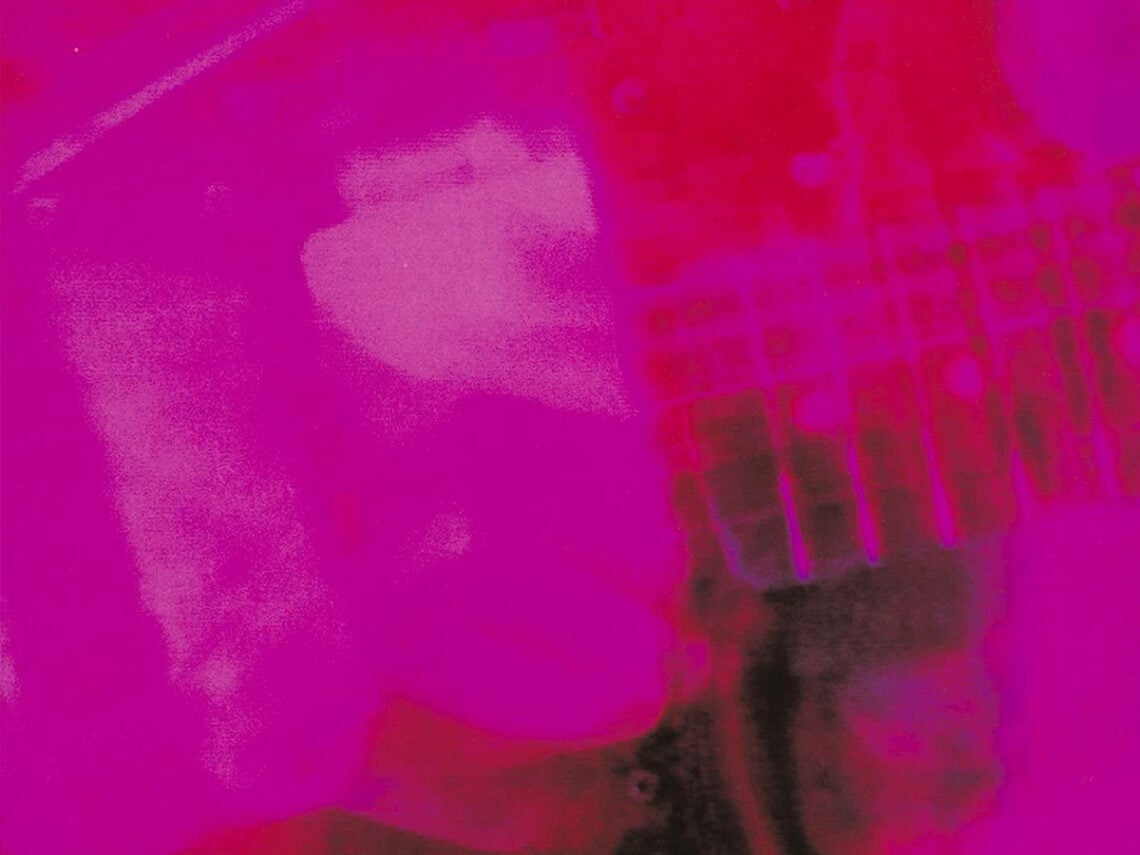
The album "Loveless", released in 1991 by the Irish band My Bloody Valentine, is widely recognized as one of the greatest sonic milestones of the 1990s. This work not only revolutionized the shoegaze genre with its innovative mix of guitars, digital sampling and unconventional techniques, but it was also famous for being one of the most expensive and complex albums ever produced, a fact that generated tension with the record label Creation Records.
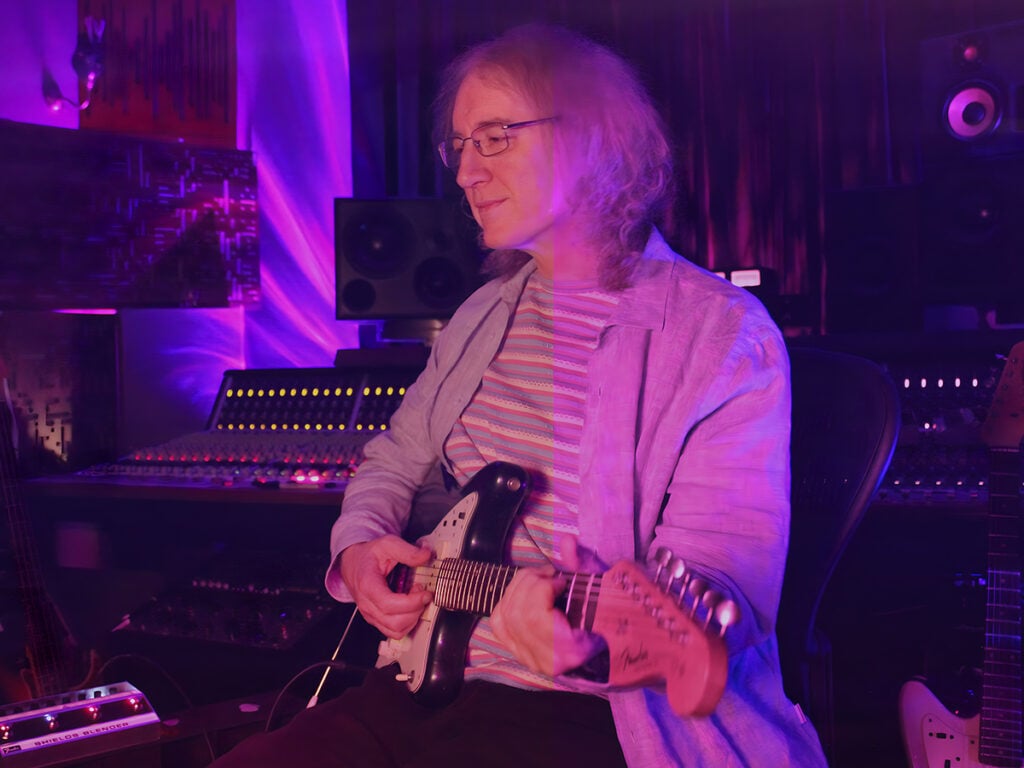
Recording for "Loveless" began in February 1989 at Blackwing Studios in Southwark, with the record company's expectation that the process would only take five days. However, what followed was a period of months marked by difficulties and delays. Kevin Shields, the band's vocalist and guitarist, recalled that when it became clear that the band would not meet the deadline, the record company panicked. The group, made up of Shields, Bilinda Butcher, Debbie Googe and Colm Ó Cíosóig, faced a series of technical and financial challenges that prolonged the recording sessions.
After an unproductive first few months, the band moved to The Elephant studio in Wapping, where they spent another eight weeks without significant progress. During this period, there was a constant change of sound engineers, and, according to Shields, session tapes were confiscated several times by the studio owners due to lack of payment. This instability reflected the financial precariousness of the band and the record company.
The group later worked on the "Glider" EP at Woodcray Studios in Berkshire, which was released before "Loveless" with the approval of Creation Records owner Alan McGee. Alan Moulder, responsible for mixing the EP's track "Soon", gained Shields' trust and was invited to work on the album. Anjali Dutt also participated in the recordings, contributing vocals and guitars, although she left before the project was completed.
During the spring of 1990, My Bloody Valentine continued to experiment with different studios, dedicating just one day to evaluating each location. In May, they set up shop at Protocol Studios in Holloway, where they intensified work on "Loveless" and the "Tremolo" EP. In August, Moulder returned to the album sessions, but noted that little had been completed, while Creation Records began to worry about rising costs.
It was only in May 1991, when Bilinda Butcher joined the recording studios at Britannia Row and Protocol, that progress really happened. The recording process was rigorous: Shields and Butcher isolated themselves in booths with the windows covered by curtains, communicating with the engineers only by gestures to indicate when they were satisfied with a take. Engineer Guy Fixsen revealed that they couldn't even listen to the recordings during the sessions, having to rely solely on the recording machines' meters.
In July, the band moved to Eastcote Studio, but Creation Records was unable to pay the bills racked up at Britannia Row. According to Anjali Dutt, Shields had to raise money personally to remove the band's equipment from the studio. The lack of clarity about the reasons for the constant changes and delays began to seriously affect the record company's finances.
Dick Green, an executive at Creation Records, recalled in his book "The Creation Records Story" that, two years after recording began, he called Shields emotionally, begging for the album to be delivered. Despite the pressure, Shields argued that the process was not a prolonged experiment, but rather focused work from the beginning, hampered by an insufficient support network and financial difficulties.
In addition to financial problems, Shields and Butcher developed tinnitus, which delayed the sessions even further. When the vocal tracks were finally completed, final mixing took place at The Church studio in Crouch End, the 19th studio used on the project. There, they faced another setback: the studio's aging equipment caused a phase problem throughout the album, which Shields had to correct manually over the course of 13 days - a process that would normally take just one day.
The total cost of recording "Loveless" has become the subject of speculation. While Melody Maker magazine suggested a figure close to £250,000, Shields refuted this figure, stating that the actual expenditure was around £140,000. He pointed out that although the amount seems high, other bands on major labels spent twice as much. For Shields, the excessive focus on costs overshadowed the album's artistic importance.
Despite not achieving great commercial success - reaching only 24th position in the UK charts and not entering the US charts - "Loveless" was critically acclaimed and became a shoegaze cult classic. Creation Records, fearing a repeat of the financial and logistical problems, ended up dropping the band after the release.
Today, "Loveless" is celebrated as a fundamental pillar of the shoegaze genre, an album that defied convention and influenced generations, even as it carried the weight of a long, expensive and obstacle-filled production. Its legacy remains as a testament to My Bloody Valentine's artistic vision and the complex journey behind its creation.
Credit: Album CoverCredit: Anna MeldalCredit: Steve Speller / Alamy