At least seven cities are targets of data center expansion in Brazil
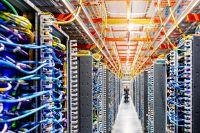
The availability of electrical energy and the infrastructure of seven Brazilian cities explain the high demand for the installation of data centers in these regions, according to a study by Allrea.
The analysis points out that, due to the high energy consumption of these projects, investors prioritize regions that already have substations with available capacity for new connections.
CNN Brasil had first-hand access to the unprecedented report.
The company, specialized in territorial intelligence and real estate development, identified demand for areas in seven Brazilian cities: Sorocaba (SP), Araraquara (SP), Joinville (SC), Ponta Grossa (PR), Rio de Janeiro (RJ), Nova Iguaçu (RJ) and Queimados (RJ).
Electricity bill rises more than inflation | CNN NEW DAY
The study was prepared based on the demands presented by companies looking for areas for the implementation of data centers and analyzes land suitable for this type of project. Among the cities mapped, nine areas were identified in Nova Iguaçu, eight in Joinville, eight in Ponta Grossa, five in Queimados, four in Sorocaba, four in the city of Rio de Janeiro and two in Araraquara.
The research concluded that the main factor that explains the concentration of demand in these locations is the availability of electrical energy.
"Today, the main criterion for choosing land for a data center is the available infrastructure. Energy is no longer just a differentiator and has become a basic requirement to make this type of enterprise viable", says Thomaz Brancati, CEO of Allrea.
National concern
In addition to the environmental concern of experts, according to a report investigated by Reuters and published by CNN Brasil, it points to the concern of Anatel (National Telecommunications Agency) with the concentration of data processing in large cities such as São Paulo and Rio de Janeiro, which could create risks for the country.
According to the ministry, the ideal would be to spread the points across Brazilian territory to provide a greater guarantee of security for the country's data system
Other factors
However, in addition to energy availability, other factors also influence the choice of areas, such as logistical access, availability of large plots of land and compatibility with urban zoning.
According to the Allrea study, the tendency is for the expansion of data centers to continue driving the search for cities that meet these characteristics.
The complete process for building a new electrical substation can take more than two years, between approval and installation, depending on the distributor responsible and the complexity of the project.
*Under the supervision of Thiago Félix and information from Reuters
Source: CNN