Anfavea again criticizes lower taxes for Chinese cars and talks about 'unequal competition'
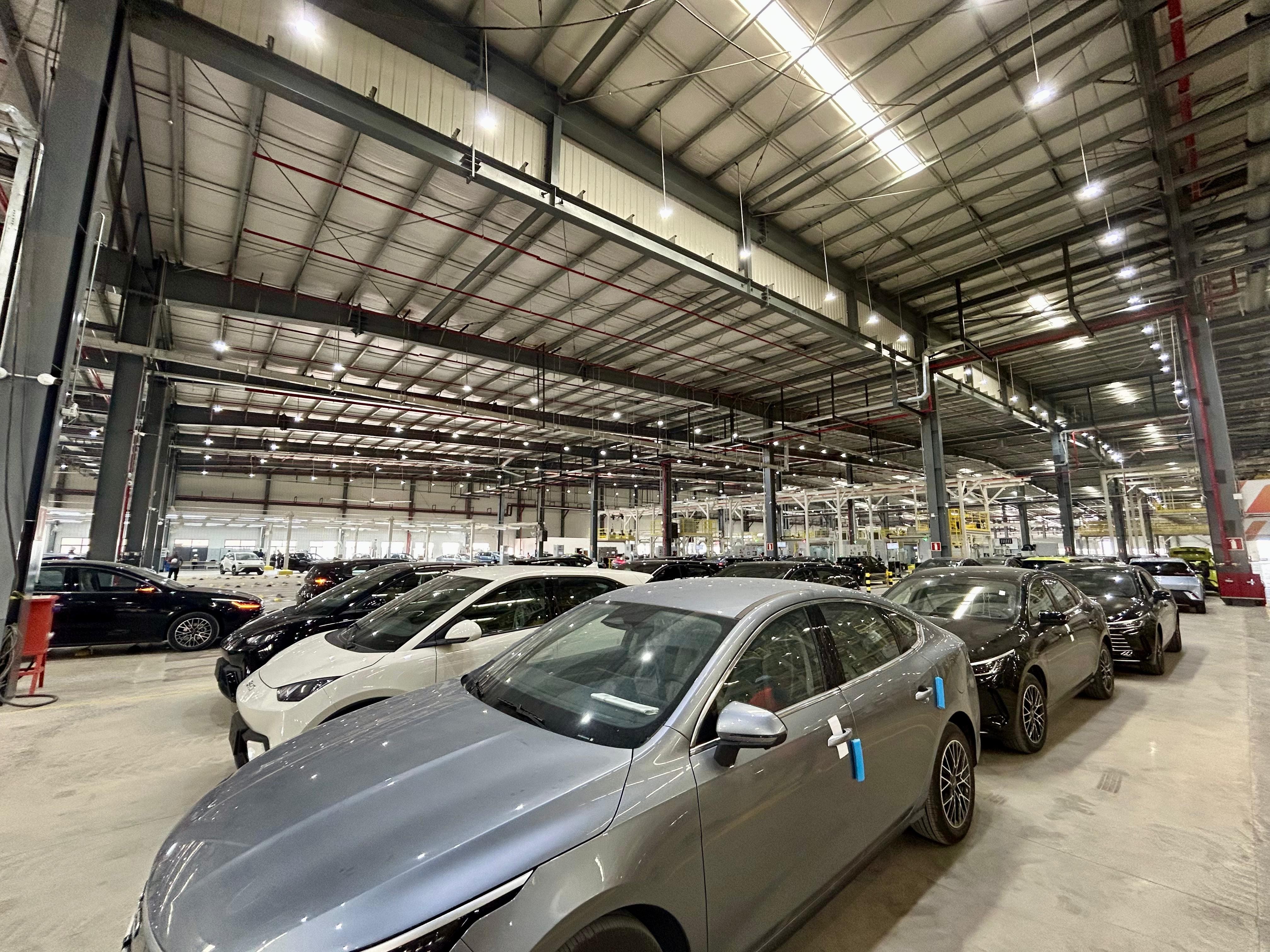
BYD factory in Camaçari, in the Metropolitan Region of Salvador
Malu Vieira/ g1 BA
The decision to extend the tax exemption for semi-dismantled electric cars until January 2027 creates a scenario of unequal competition. The statement was made this Tuesday (7) by Igor Calvet, president of the National Association of Motor Vehicle Manufacturers (Anfavea).
According to the executive, vehicle brands with infrastructure installed longer in Brazil are at a disadvantage in the competition against Chinese brands, which bring dismantled vehicles in large volumes and with less taxes.
✅ Click here to follow the g1 Cars channel on WhatsApp
"If it is simply to import, the company does it with Chinese cost, with cheaper logistics and capital costs. There is no way to compete", explains Calvet.
In June this year, the Executive Management Committee of the Chamber of Foreign Trade (Gecex) renewed the tax-free import quota for semi-assembled and disassembled electric vehicles. Known as CKD and SKD processes.
BYD's ultra-fast charger goes up to 97% in 9 minutes
By government decision, vehicles assembled in Brazil (called CKD) and semi-assembled vehicles in the country (called SKD) will not pay import tax for the next six months.
The volume of imports that will not pay tax is US$ 463 million for six months, starting from July 1, 2026. The measure is valid until January 2027.
How cars are assembled with imported parts
Arte/g1
Bad criteria
One of Anfavea's complaints to Gecex is that there was no discussion about postponing the incentive. The decision would have been taken without consulting the entity and its associates.
According to Andrea Serra, tax and foreign trade director at Anfavea, one of the criteria for taking advantage of the benefit is the calculation of the import volume. This account takes into account operations since 2023, which, according to Serra, does not reflect today's market.
"One of our requests would be to consider only the last six months to divide this quota with a more current portrait of the Brazilian market", explains the director.
The way the exemption is calculated, around 80% of this quota corresponds only to BYD.
More unemployment
According to Calvet, if Brazil changed the entire automotive industry to CKD regimes and SKD, 70% of jobs in the sector would be lost. This would happen because the assembly process is simpler, has fewer steps and requires less labor.
A study by Anfavea estimates that out of every 10 workers needed to produce cars in Brazil, they would only be needed to assemble the same car under the CKD or SKD regime.
Source: G1