ANDY SERKIS WARNING ABOUT AI IN CINEMA AND ARGUES THAT HUMAN CREATIVITY WILL EVOLVE WITH TECHNOLOGY
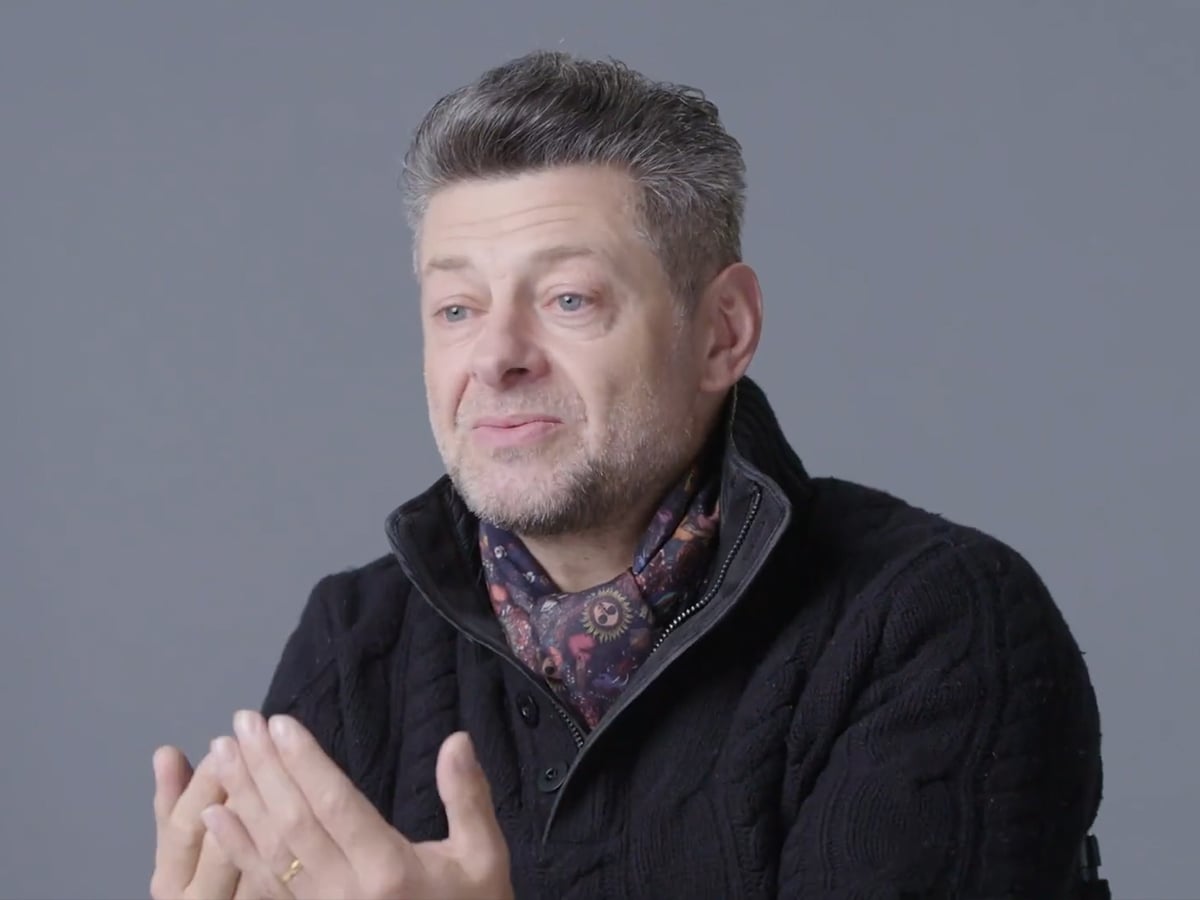
Andy Serkis, known for revolutionizing cinema with performances based on motion capture, stated that artificial intelligence brings new responsibility to the film industry, but does not mean the end of human creativity.
The actor, famous for characters such as Gollum in "The Lord of the Rings" and Caesar in "Planet of the Apes", participated in a panel at the APOS conference on June 16. Even speaking via video call directly from New Zealand, Serkis entered into one of the most important debates in cinema today: the impact of artificial intelligence on artistic creation.
According to him, new tools can open up space for creators to use technology in imaginative ways. However, along with these possibilities comes a greater responsibility for how these tools will be applied.
Serkis highlighted that the world is changing rapidly, but stated that human creativity will evolve along with this new scenario. For him, AI does not need to be seen just as a threat, but as a technology that requires care, ethics and human control.
The topic has gained strength in recent years, especially after the historic strike by the SAG-AFTRA union in 2023, when actors and Hollywood professionals protested against the misuse of artificial intelligence, digital replicas and unauthorized image exploitation.
Serkis' trajectory makes his opinion even more relevant. He built part of his career precisely in an area where technology and performance go hand in hand. His digital characters only worked because there was emotion, interpretation and human presence behind the effects.
Currently, Serkis is preparing to return to the universe of "The Lord of the Rings" in "The Hunt for Gollum", scheduled for December 2027. In addition to returning to the role, he will also take on the direction of the new film, while Peter Jackson will serve as producer.
Serkis' central message is clear: artificial intelligence will change cinema, but human sensitivity will remain essential to transform technology into art.