Amazonas declares environmental emergency due to El Niño
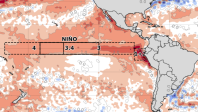
The Government of Amazonas declared, on a preventive basis, a State of Climate and Environmental Emergency throughout the state territory. The measure was taken based on meteorological projections associated with the El Niño phenomenon and the impacts it is expected to cause until the first half of 2027.
In the determination, published on June 1st, the state government established a series of integrated actions that range from meteorological monitoring to the readiness of Civil Defense and security forces.
Government sees risk of extreme drought and fires in the second half of the year | NOW CNN
Decree No. 54,274, signed by Governor Roberto Cidade (União Brasil), determines that state public administration bodies and departments urgently adopt prevention, mitigation and preparation measures.
The main objective is to reduce the risks of socioeconomic and environmental disasters caused by severe drought, reduced river beds, heat waves and forest fires.
The state of emergency will initially be valid for 180 days, with the possibility of extension if extreme weather conditions persist, according to the assessment of official monitoring bodies.
The Permanent Committee to Combat Climate Events will be responsible for planning and articulating the actions. All state departments and entities must act preventively within their functions.
Check the determinations for each state body:
- (Civil Defense): Responsible for monitoring the weather/rivers, managing disasters and disseminating strategic information.
- (Environment - SEMA/IPAAM): Will intensify inspection, combat deforestation and protect natural resources.
- (Rural Production - SEPROR): Will guide and protect the agricultural, fishing and aquaculture sectors against water shortages.
- (Firefighters - CBMAM): Total reinforcement in the fight against burning and forest fires.
- (Public Security - SSP): It will carry out the operational integration of security forces in preventive actions.
- (Health - SES/FVS): Monitoring of diseases, air quality and the effects of heat on the population, in addition to supporting municipalities.
- (Education - SEDUC): Raising awareness among students/teachers and ensuring safety so that classes are not interrupted.
Source: CNN