Album that brought together Clara Nunes and Paulo César Pinheiro, 'Canto das Trêsraças' celebrates 50 years as a trail of mixed-race Brazil
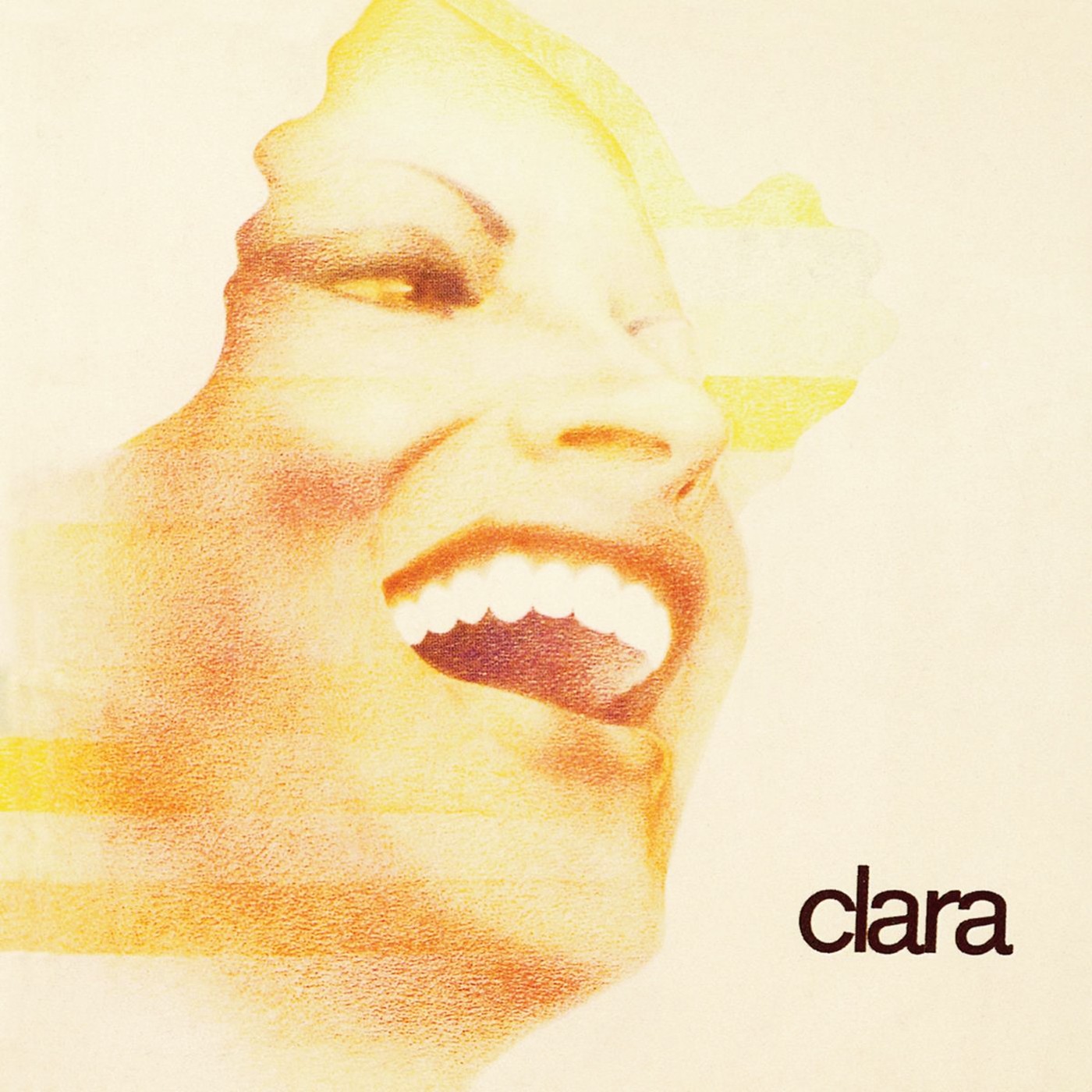
Cover of the album 'Canto das Trêsraças' (1976), by Clara Nunes
Reproduction
♫ MEMORY - RECORDS FROM 1976
♬ Analyzed in perspective in Clara Nunes' discography, 50 years after its release, the album "Canto das Trêsraças" stands out as a watershed in the phonographic trajectory of the singer from Minas Gerais. At that time, in 1976, Clara Francisca Gonçalves (August 12, 1942 - April 2, 1983) from Minas Gerais had already converted to samba for five years and had already established herself as one of the biggest names in the genre and one of the greatest singers in Brazilian music due to her luminous, clear voice.
However, the album recorded between July and August 1976 - and released as a double-cover LP by the EMI-Odeon label with luxurious graphic art - expanded Clara's singing. The artist wanted to be perceived as a singer of Brazilian music, without the label of samba singer, even though she always had samba as the north and basis of her repertoire.
For Clara to achieve her goal, the union between the artist and the composer and music producer Paulo César Pinheiro was essential. "Canto das Trêsraças" is the album that marks the beginning of the singer's partnership with Pinheiro, with whom Clara married in July 1975 after starting a relationship in 1974.
Discounting the irregular and inexpressive phase of the 1960s, Clara Nunes' discography can be divided between the albums produced by Adelzon Alves and the albums made with Paulo César Pinheiro.
Architect of the samba image adopted by Clara from 1971 onwards, complete with a stylized Bahian costume, Adelzon shaped the albums released by the singer in 1971, 1972, 1973 and 1974. There were four albums consolidating the singer's image and voice in the samba universe.
With the connection with Adelzon broken, Clara Nunes released a transition album in 1975, "Claridade", arranged and produced by guitarist Hélio Delmiro (1947 - 2025) - a name indicated by Paulo César Pinheiro himself and credited as executive producer in the LP's original technical sheet - in partnership with Renato Correa, who is credited as production director.
It was only in "Canto das Trêsraças" that Pinheiro took over the artistic direction of the singer's discography in a relationship that lasted until Clara's early death, at the age of 40, in April 1983, victim of complications resulting from a varicose vein operation.
In this album, the artist's tenth, Clara Nunes recorded ten songs formatted in the studio under the musical direction of Lindolpho Gaya (1921 - 1987), conductor also responsible for arranging and conducting the album, a role he shared with Orlando Silveira (1925 - 1993), Francis Hime - who orchestrated the re-recording of "Basta um dia" (Chico Buarque), a song from the soundtrack of the play "Gota d'água" (1975) - and Nelson Martins dos Santos (1927 - 1996), the maestro known in the artistic world as Nelsinho.
As with all the albums released by Clara Nunes from 1971 onwards, the repertoire of the album "Canto das Trêsraças" is impeccable. Starting with the memorable samba that gave the album its name, one of the best-known and revisited songs in Clara's repertoire. This is the second great success of Paulo César Pinheiro's partnership with composer Mauro Duarte (1930 - 1989), created two years earlier with the recording, by the same Clara Nunes, of the lyrical samba "Menino Deus", one of the hits from the album "Alvorecer" (1974).
In addition to signing with Pinheiro the title song of the album "Canto das Trêsraças", a track that synthesized the intentions of the singer and the producer to make Clara's song a translation of the musical breadth of mestizo Brazil, Mauro Duarte - from Minas Gerais who moved to Rio de Janeiro (RJ) as a child - is the sole composer of the album's second radio hit, "Lama".
"Lama" is a samba that Duarte offered to Ataulfo Alves (1909 - 1969) - ironically, the author of the first samba successfully recorded by Clara, "Você passa eu Acho grace" (1968) - and which Ataulfo refused for fear that everyone would think that the samba with a moralistic tone was his, Ataulfo, and not that of the then beginner Mauro Duarte.
"Lama" is the second track on the album, which follows with a baião with a country accent, "Alvoroço no sertão" (Aldair Soares and Raimundo Evangelista, 1954), heard by Clara during her childhood in the interior of Minas Gerais, as Paulo César Pinheiro says in the notes he wrote for each of the ten songs on the album.
Accordionist and conductor from São Paulo, recurrent in the technical records of Clara's albums orchestrated by maestro Gaya, Orlando Silveira made the basic arrangement of "Alvoroço no sertão" with musicians who played with Jackson do Pandeiro (1919 - 1982). in the repertoire of "Song of the three races". From him, Clara gave voice to a then-unreleased samba of hopeful resignation - "Havepatience", a partnership between Nelson and Guilherme de Brito (1922 - 2006) - and to an also unreleased ranch march, "Laughter and tears", a partnership between Bamba and Rubem Brandão and José Ribeiro de Souza.
Between one and another composition by Nelson Cavaquinho, Clara Nunes recorded a waltz by Vinicius de Moraes (1913 - 1980), "Ai Quem Me Dera", a theme steeped in melancholic lyricism originally released on the soundtrack of the soap opera "Fogo sobre Terra" (1974). The track's piano and arrangement are by Francis Hime. However, it is the blowing of Celso Woltzenlogel's flute that underlines the sad tone of the waltz, one of the few compositions in which Vinicius de Moraes writes music and lyrics.
Between jongo and the capoeira theme, a rhythm evoked by the berimbau percussed by rhythmist Alfredo do Vidigal, "Fuzuê" marks Clara Nunes' third meeting with composers Romildo Bastos and Toninho Nascimento, a duo that had already provided two great hits for the singer, "Conto de sand" (1974) and "Deusa dos orixás" (1975).
Following the album "Canto das tresraças", another duo of composers takes over the album after "Fuzuê". That's when Clara opens the curtain on the past with the memory of "Meu suffer", a samba by the duo Bide and Marçal, formed by the pioneers Alcebíades Barcelos (1902 - 1975) - Bide - and Armando Vieira Marçal (1902 - 1947). The samba "Meu suffer" had been released in 1948 by singer Carlos Galhardo (1913 - 1985), voice of the radio era.
Completing the album's repertoire is another samba, "Retrato fale", this one from the partnership of Eduardo Gudin with Paulo César Pinheiro, author of the lyrics written on the melody sent by Gudin at the end of 1975.
Buoyed by the success of the title song and "Lama", the album "Canto das Trêsraças" sold well - around 300 thousand copies at the time - and prepared the ground for great albums that followed, all produced by Paulo César Pinheiro with repertoires of the same high level, with honorable mentions for "As Forças da Natureza" (1977), "Brasil Mestiço" (1980) and "Nação" (1982), the last album in the discography of Clara Nunes, immortal Brazilian singer.
Source: G1