After ceasefire between US and Iran and reopening of the Strait of Hormuz, OPEC+ increases oil production
Iran turns Ali Khamenei's funeral into a demonstration of power
OPEC+, an alliance formed by the countries of the Organization of Petroleum Exporting Countries (OPEC) and allied producers, such as Russia, agreed to a new increase in production targets from August onwards, the group said in a statement released this Sunday (5).
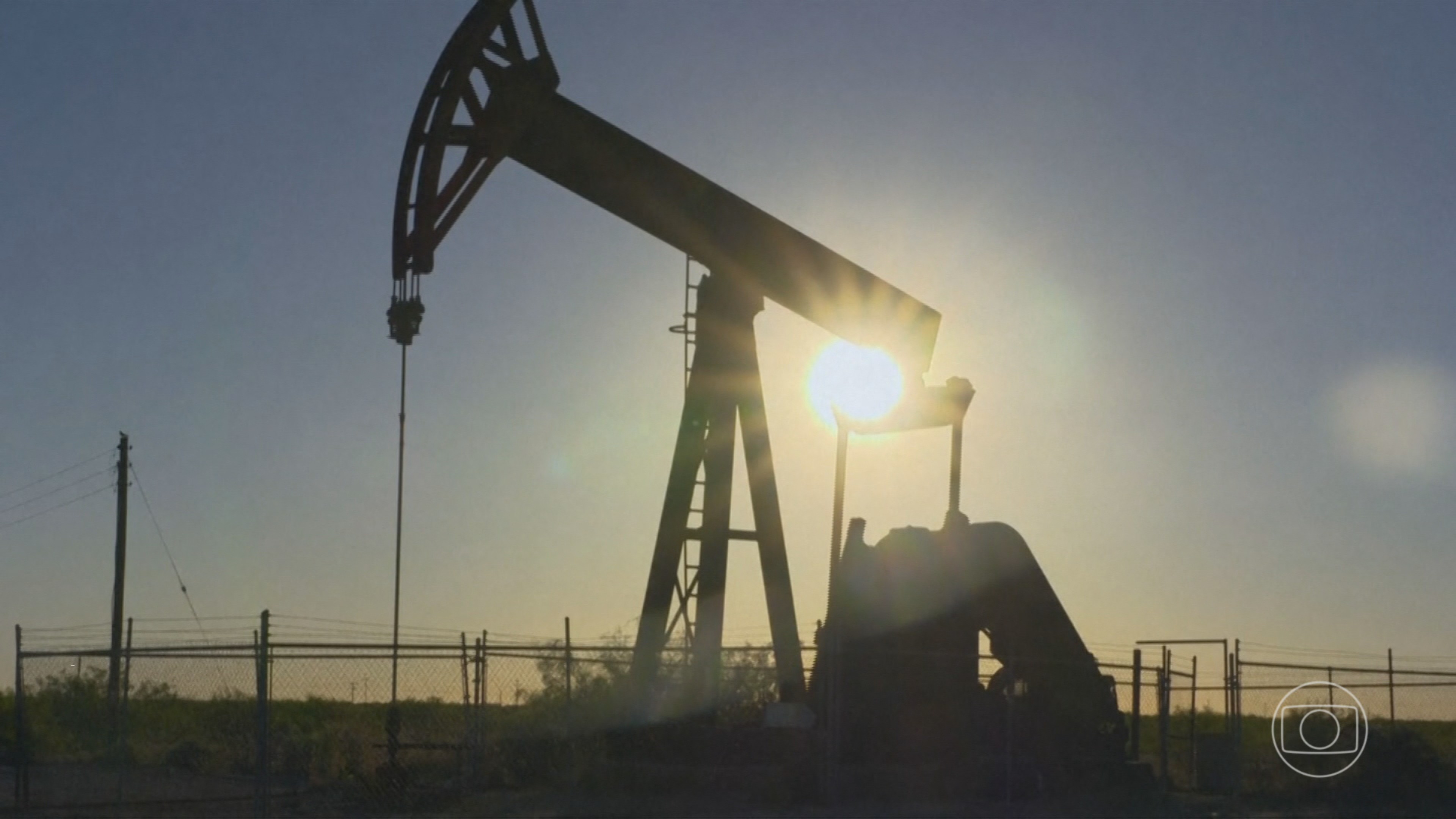
The decision expands global supply at a time when oil prices are falling, driven by the gradual reopening of the Strait of Hormuz for exports.
Do you have any suggestions for a report? Send to g1
The group agreed, during an online meeting, to increase production quotas by 188 thousand barrels per day from August onwards, in addition to increases of the same volume approved for June and July.
The seven main members of OPEC+, a group that brings together OPEC and allied producers, such as Russia, raised their production quotas between April and July by almost 800 thousand barrels per day.
However, this increase largely remained only in the role due to the war between the US and Israel against Iran, which closed the Strait of Hormuz to oil tanker traffic from some of the main OPEC+ members, including Saudi Arabia, Kuwait and Iraq.
Signs of recovery
OPEC+ production fell to 33.13 million barrels per day in May, according to OPEC data, compared to 42.77 million barrels per day in February.
The recovery began in June, driven by US efforts to help the United Arab Emirates and other OPEC+ members expand oil exports. Still, production remains below pre-war levels.
Despite persistent supply disruptions, oil prices have returned to pre-war levels, pressured by falling Chinese imports, rising exports from producers outside the Middle East and a record release of global strategic stocks coordinated by the International Energy Agency.
"The Group of Seven has continued to reverse its production cuts, as widely expected," said UBS analyst Giovanni Staunovo. "The near-term focus will remain on how many tankers can cross the Strait of Hormuz and how quickly Chinese crude oil demand and imports will recover." recent peaks of more than US$120 and back to levels seen just before the US and Israel attack on Iran on February 28.
In addition to setting production targets, OPEC+ also faces other challenges following the UAE's departure from the group and Iraq's signal that it intends to obtain higher quotas.
OPEC+ brings together 21 members, including Iran. In recent years, however, only seven countries - in addition to the UAE, before its departure - participated in monthly production management.
These seven producers - Saudi Arabia, Russia, Iraq, Kuwait, Algeria, Kazakhstan and Oman - have been increasing production as part of the gradual reversal of a supply cut of 1.65 million barrels per day, agreed in 2023, when the group still counted on the United Arab Emirates.
The United Arab Emirates left the alliance at the end of April because it wanted to align its production capacity more closely with actual production, without the restrictions imposed by the group.
As of August, considering the departure of the United Arab Emirates on May 1, the seven main members will still have around 379 thousand barrels per day of the original cut to return to the market, according to Reuters calculations.
With the August increase already defined, the group will have completely reversed the 2023 cut if it approves another similar volume increase for September, at the next meeting, scheduled for August 2.
Oil prices soar after OPEC announces cutting more than 1 million barrels per day
JN
Source: G1