After agreement between the US and Iran, fighting in Lebanon decreases, but Hezbollah and Israel show signs of distrust
Attacks threaten historic ruins in Lebanon
Fighting between Israel and Hezbollah in southern Lebanon decreased this Monday (15) after the announcement, over the weekend, of an agreement between the US and Iran to end the conflict in the Middle East
However, Israel and Hezbollah show signs of distrust. In Lebanon, local authorities have warned displaced people not to rush home until Israel withdraws its troops from southern Lebanon.
But the Israeli government has said it will not move troops from the region. Hezbollah stated this morning that Iran delayed signing an agreement - which will only be signed on Friday (19) - precisely to monitor Israel's compliance with the ceasefire in Lebanon.
According to sources from Hezbollah and the Lebanese government, sources from Hezbollah and the Lebanese government told the Reuters news agency:
Hezbollah did not carry out new attacks against Israeli targets after the announcement of the agreement;
Israel has also significantly reduced its attacks, although some artillery fire was reported in cities in southern Lebanon and at least one drone was heard flying over Beirut and its southern suburbs.
Lebanon, the country where Hezbollah operates, suffered the deadliest consequences of the conflict between the US and Iran, with almost 3,800 people killed and around 1.2 million people displaced. The Israeli offensive in the region began after Hezbollah, a terrorist group supported by Iran, opened fire on Israeli territory in support of Tehran, days after the US and Israel attacked Iranian territory at the end of February.
Israel says troops will remain
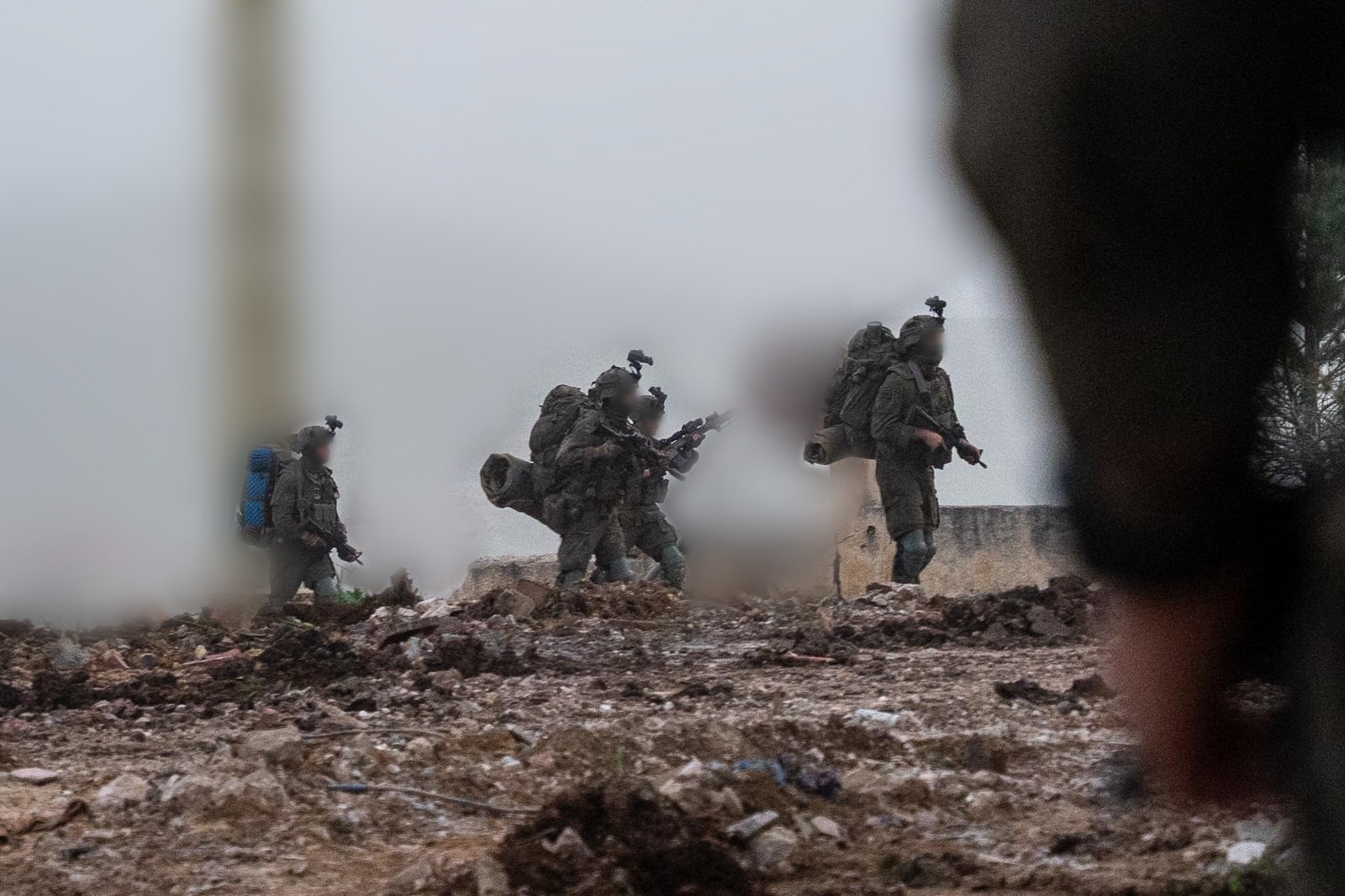
Israeli Army troops operating in Lebanon in photo from April 9, 2026.
Disclosure/Israel Army
In southern Lebanon, municipal councils asked residents to postpone returning home. The Israeli Air Force has heavily bombed some cities in the region over the past three months, and others closer to the border are still occupied by Israeli troops.
Mona Mazeh, a displaced woman sheltering in Beirut's Hamra neighborhood, had no immediate plans to return to her village near the southern city of Tyre. "Frankly, we are hesitant; Israel cannot be trusted," she said.
Israeli Defense Minister Israel Katz, whose country is not a signatory to the U.S.-Iran agreement, said that Israel would not withdraw from the safe zones in southern Lebanon, Gaza and Syria, and that it would retaliate if Iran attacked Israel due to events in Lebanon.
Katz said that the safe zone in southern Lebanon would be cleared of local residents and that "all infrastructure terrorist attack, including homes in neighboring villages," a reference to Hezbollah, would be removed.
The Israeli military has been razing sites in southern Lebanon for weeks, claiming it is acting against Hezbollah militants infiltrating civilian areas in the predominantly Shi'ite Muslim region. Hundreds of thousands of Lebanese Shiites are taking refuge in other parts of the country.
In Nabatieh, a devastated southern city, Mohammed Daqdouq said he had returned on Monday morning to check on his home. "We're going to need a lifetime to rebuild - to rebuild it again and bring Nabatieh back to what it was," he said.
Israeli bombs are seen from the beach in the historic city of Tire, Lebanon
Source: G1