25 types of pesticides are detected in the Tietê River, shows a study by SOS Mata Atlântica
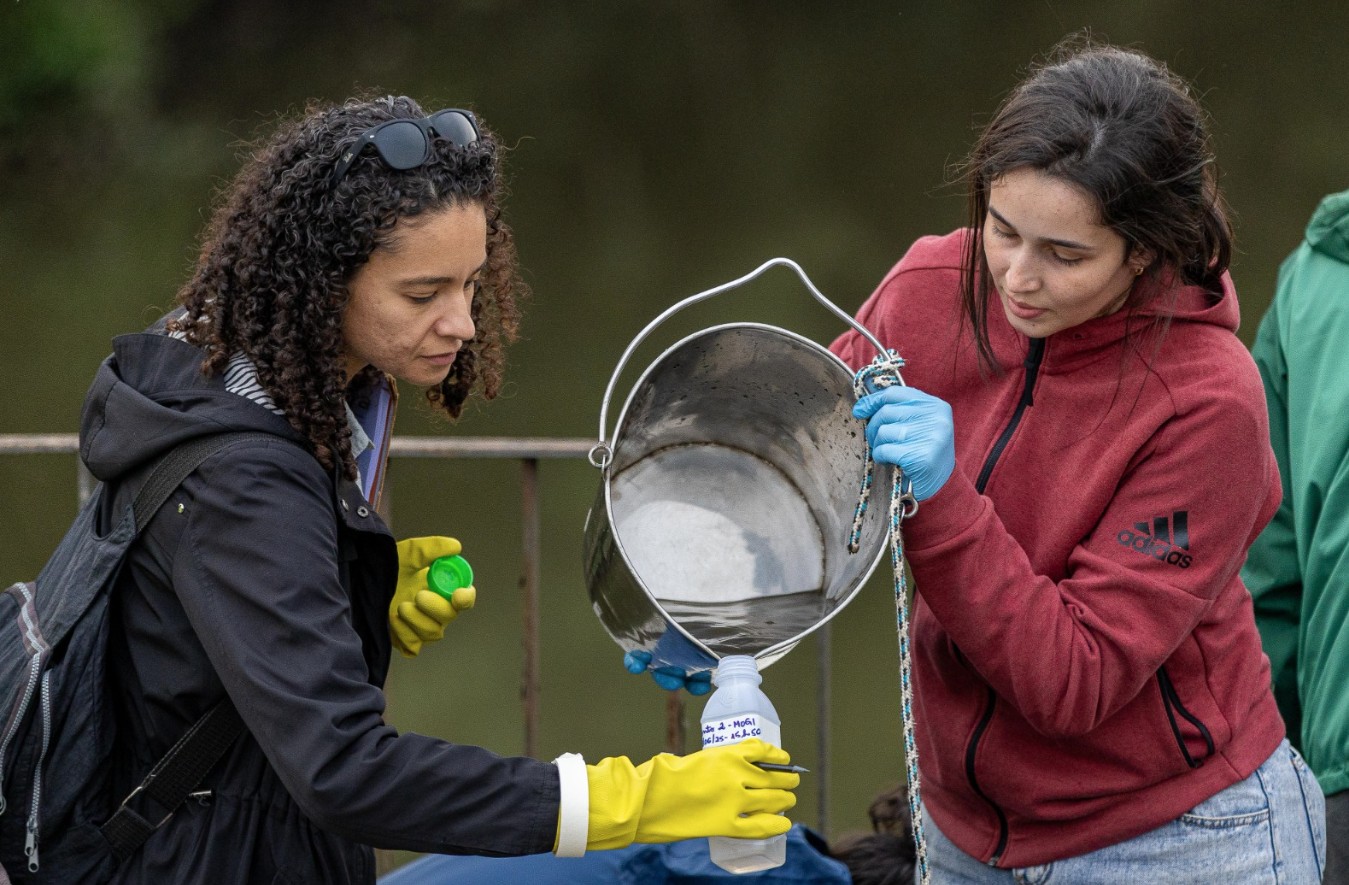
Researchers collected water samples at 14 points on the river.
SOS Mata Atlântica
Twenty-five types of pesticides were found at least once in water samples collected at 14 points on the Tietê River during an expedition carried out by Fundação SOS Mata Atlântica in partnership with universities and the Itaúsa Institute.
The analyzes identified widely used herbicides, fungicides and insecticides in predominant crops in the Tietê basin, such as sugar cane, soybeans and citrus (orange and lemon).
➡ After application to crops, only part of the pesticides reach the pests. The rest can be carried by rain or infiltrate the soil, reaching rivers, streams and other water sources.
The study, conducted by the CENA/USP Ecotoxicology Laboratory, identified the presence of atrazine, a herbicide used in Brazil to control weeds, but banned in the European Union since 2004 because of the risks to the environment and human health.
In 2024, the World Health Organization (WHO) classified atrazine as a substance with the potential to cause cancer.
In some stretches of the Tietê, the concentration of atrazine exceeded the limit established by Conama Resolution No. 357/2005, which defines water quality standards in Brazilian rivers.
Research points to contamination in all stretches of the Tietê River
The herbicides tebuthiuron and clomazone, in turn, were found at all collection points along the river. The highest concentrations of these substances were recorded in the stretch between Pirapora do Bom Jesus and Barra Bonita, a region marked by intense agricultural activity.
Even in the spring region, in Salesópolis, considered relatively preserved, herbicides and insecticides were identified.
See below the list of pesticides found and the frequency with which they were detected in water samples collected at 14 points on the Tietê River.
Tebutiurom: 100%
Clomazone: 100%
Diuron: 92.86%
Cyproconazole: 85.71%
Hexazinone: 85.71%
Atrazine: 85.71%
Terbuthylazine: 85.71%
Acetamiprid: 85.71%
Azoxystrobin: 78.57%
Ametrine: 78.57%
Metalaxyl-M: 71.43%
Tebuconazole: 71.43%
Metribuzim: 71.43%
Promethrin: 64.29%
Fipronil: 64.29%
Imidacloprid: 57.14%
Malathion: 50%
Bentazone: 42.86%
Thiamethoxam: 42.86%
Bromacil: 28.57%
Propamocarb: 21.43%
Trifloxystrobin: 14.29%
Fludioxonil: 14.29%
Indaziflam: 7.14%
Mesotrione: 7.14%
Environmental and health risks
According to the study, fungicides and insecticides found in the river can harm fish and other aquatic organisms. Among the impacts are changes in the functioning of these animals' organisms, changes in behavior and imbalances in the food chain.
The problem can be even greater when different pesticides are present at the same time, as the combination of these substances can enhance their effects.
"Although natural processes of dilution and self-purification occur along the river, especially in the Middle and Lower Tietê stretches, water from these regions is used for public supply, which raises additional concerns", says the report.
"This is because the Conventional treatment systems are not always fully effective in removing various organic contaminants, including different classes of pesticides", he adds.
Tietê Expedition
The expedition covered more than 1,100 kilometers of the Tietê River between the 9th and 14th of June 2025, from its source, in Salesópolis, to the mouth of the Paraná River, in Itapura.
In addition to pesticides, the analyzes identified microplastics at all collection points and 16 substances, including medicines and illicit drugs, including cocaine.
The team used boats in different parts of the expedition to be able to collect water at the midpoint between the banks.
SOS Mata Atlântica
Source: G1