10 iconic scenes from 1976 films that would never be produced today
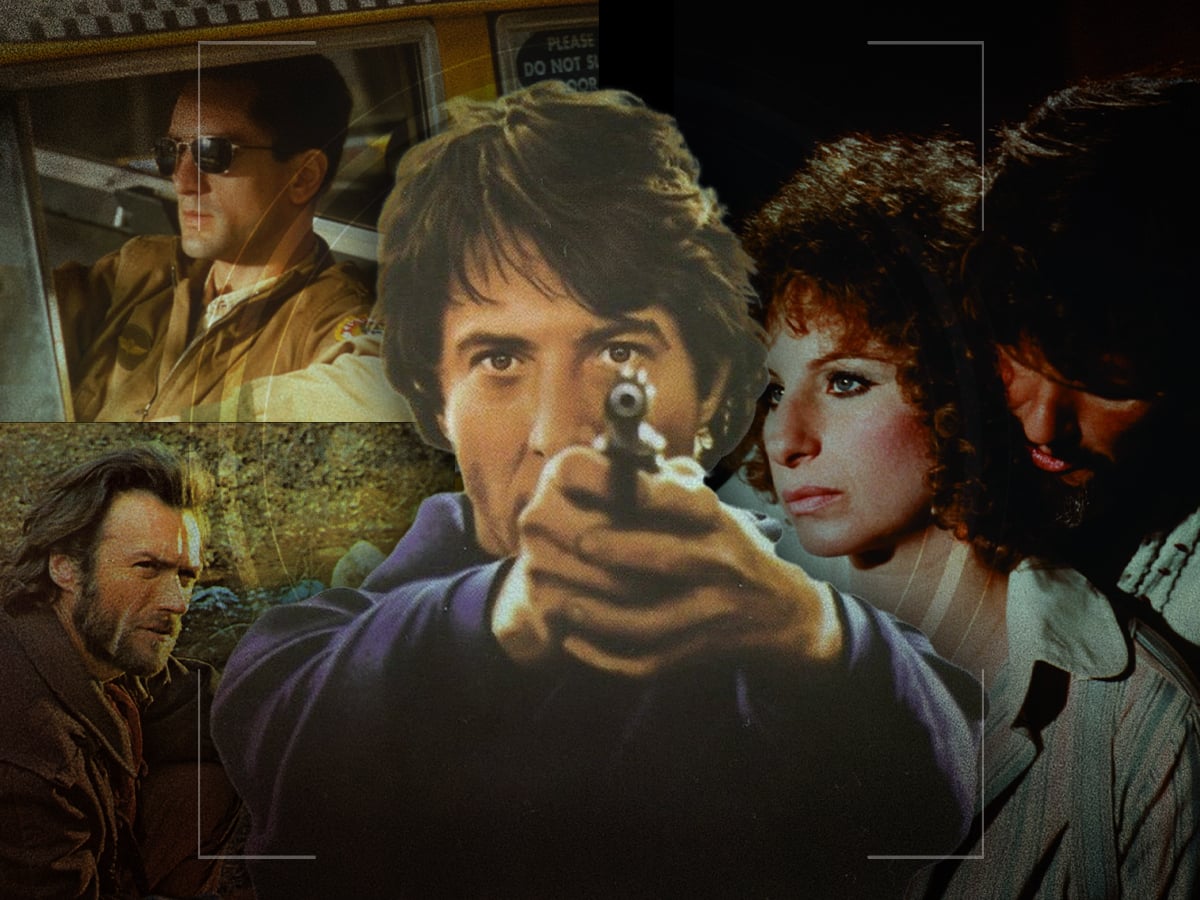
The cinema of 1976 reveals a very different Hollywood than we know today, showing a time when directors had more freedom to take risks and make bold artistic statements, something that the current corporate and commercial scenario makes difficult. Despite advances in representation, innovation and democratization over the last 50 years, contemporary cinema faces challenges that limit its boldness and originality, mainly due to the growing influence of business interests and the dominance of artificial intelligence, which threatens the jobs of many artists.
In the 1970s, although the Hollywood system had its flaws, the decision-makers seemed genuinely concerned about the art of cinema. Today, it is difficult to identify the artistic taste of great executives like Bob Iger, David Zaslav, David Ellison or Ted Sarandos, who often prioritize profit over creativity. Furthermore, today's audience shows less curiosity, preferring safe productions such as sequels, prequels, adaptations and remakes, while attention is scattered by cell phones and disruptive behavior in movie theaters.
50 years ago, cinema was at the center of culture, and directors could express themselves freely, something that today's business-dominated environment does not encourage. Below, we highlight 10 scenes from 1976 films that would hardly be approved or made in the current scenario, illustrating the profound changes in the industry and society.
1. **Hecky Brown's Communist Admission - 'The Front' (Martin Ritt)**
This 1976 drama addresses the real-world effects of the Hollywood blacklist on artists sympathetic to the Communist Party. The scene in which Hecky Brown, played by Zero Mostel, makes sexist and abrasive comments about a woman attracted to communism would be unthinkable today, as the attempt to humanize a character with such offensive lines would not be accepted. Furthermore, the idea of a new "black list" in Hollywood, now related to distrust in the management of studios like Paramount, shows that the topic is still sensitive.
2. **Opening Montage - 'The Pink Panther Strikes Again' (Blake Edwards)**
Peter Sellers, known for his versatility, starred in a series of films in the 'The Pink Panther' franchise. The fourth film features an animated sequence that parodies classics such as *Gone with the Wind*, *Singing in the Rain* and *Jaws*. Today, the complexity of copyright would prevent such free editing, since parodying so many films from different studios would require agreements that are almost impossible to obtain.
3. **Initial massacre - 'Assault on Precinct 13' (John Carpenter)**
John Carpenter, a filmmaker who has always challenged the system, included a brutal scene at the beginning of this film in which criminals kill innocent people, including children. With increased sensitivity to gun violence, especially in the United States, and frequent mass shootings, such graphic scenes involving children would hardly be permitted today, as evidenced by the changes in releases of films such as *Death Wish* and *Gangster Squad* following real-life tragedies.
4. **Scene in adult cinema - 'Taxi Driver' (Martin Scorsese)**
In one of the most iconic moments, Travis Bickle (Robert De Niro) takes his companion Betsy (Cybill Shepherd) to a porn theater, where she feels uncomfortable and leaves him. This situation, which today could be interpreted as sexual harassment, would be difficult to portray today. Furthermore, the lack of adult cinemas today makes the scene outdated for new generations.
5. **Recruitment of Kelly Leak - 'The Bad News Bears' (Michael Ritchie)**
This family sports film stood out for portraying the realistic language of children, especially the character Kelly Leak, a troubled boy who uses swear words and offensive expressions. Such a depiction, especially in a family film, would be censored today, as demonstrated by the absence of this feature in the 2005 remake directed by Richard Linklater.
6. **Torture scene - 'Marathon Man' (John Schlesinger)**
The spy thriller features one of the most graphic torture scenes ever shown in a major Hollywood film, with Laurence Olivier playing a Nazi. Since the controversy generated by *Zero Dark Thirty* (2012), Hollywood has avoided showing torture so explicitly in commercial productions, limiting this type of scene to independent or niche films.
7. **Interruption of Esther's show - 'A Star is Born' (Frank Pierson)**
Barbra Streisand had complete control over this 1976 version, which resulted in a scene where her character, the only white person in an African-American musical number, is presented with language and contexts that today would be considered problematic. Furthermore, the interruption of the show by Kris Kristofferson's alcoholic character exposes a dark portrait of alcoholism that was not replicated in the 2018 remake.
8. **Harry faces affirmative action - 'The Enforcer' (James Fargo)**
In the third film in the *Dirty Harry* series, Clint Eastwood faces the imposition of a female police partner due to an affirmative action program. Although the film shows the character's evolution, debating experience versus representation in modern franchises would be considered too controversial, especially in an environment where discussions about diversity and inclusion are highly polarized.
9. **King Kong's death at the World Trade Center - 'King Kong' (John Guillermin)**
The 1976 remake relocated the iconic giant ape scene to the top of the World Trade Center. After the September 11 attacks, Hollywood quickly avoided showing the Twin Towers in films, altering productions such as *Spider-Man* and *MIB II*. Currently, no recent production in the King Kong universe shows the monster causing destruction in New York.
10. **Josey Wales' family murdered - 'The Outlaw Josey Wales' (Clint Eastwood)**
This revisionist Western opens with a shocking scene of the massacre of the protagonist's family by Union soldiers. Despite the general increase in violence in today's films, the brutal and focused way in which Eastwood constructed this scene is disturbing. Furthermore, it would be difficult today to release a film with a Confederate protagonist without explicitly addressing slavery, given the contemporary sensitivity to the topic.
These examples reveal how 1976 cinema reflected a time when directors had more freedom to explore complex, controversial, and even uncomfortable themes, something that the current business environment and cultural shift have made much more constrained. The art of cinema, which was once at the center of popular culture, today faces barriers that limit its ability to provoke and challenge audiences as it did half a century ago.