



Leia a noticia completa
There are just two days left until the start of the 2026 World Cup, the biggest sporting event in the world. This year, the tournament will feature 16 host cities, 11 of which are in the United States. However, some of the American cities that will host tournament matches are concerned about the negative financial impacts that may remain after the competition ends.
While FIFA projects record profits of up to 13 billion dollars (around R$68 billion) - with ticket sales, international broadcasting rights and global sponsorship quotas - North American cities could have expenses of up to 250 million dollars (close to R$1.3 billion).
The financial loss is a consequence of the cities' total responsibility for operational costs - public safety, infrastructure adaptation and transport logistics.

In 'D-Day', Spielberg seeks charm from alien classics like 'E.T.' and 'Close contacts'; g1 already seen
When the greatest director of all time returns to his favorite subject, aliens, you better pay attention. In "D-Day",...
Richarlison responds to criticism of his son's name and says: 'He won't need to work'
Richarlison alongside his son, Richarlison Jr.Social mediaRicharlison caused controversy on social media after respond...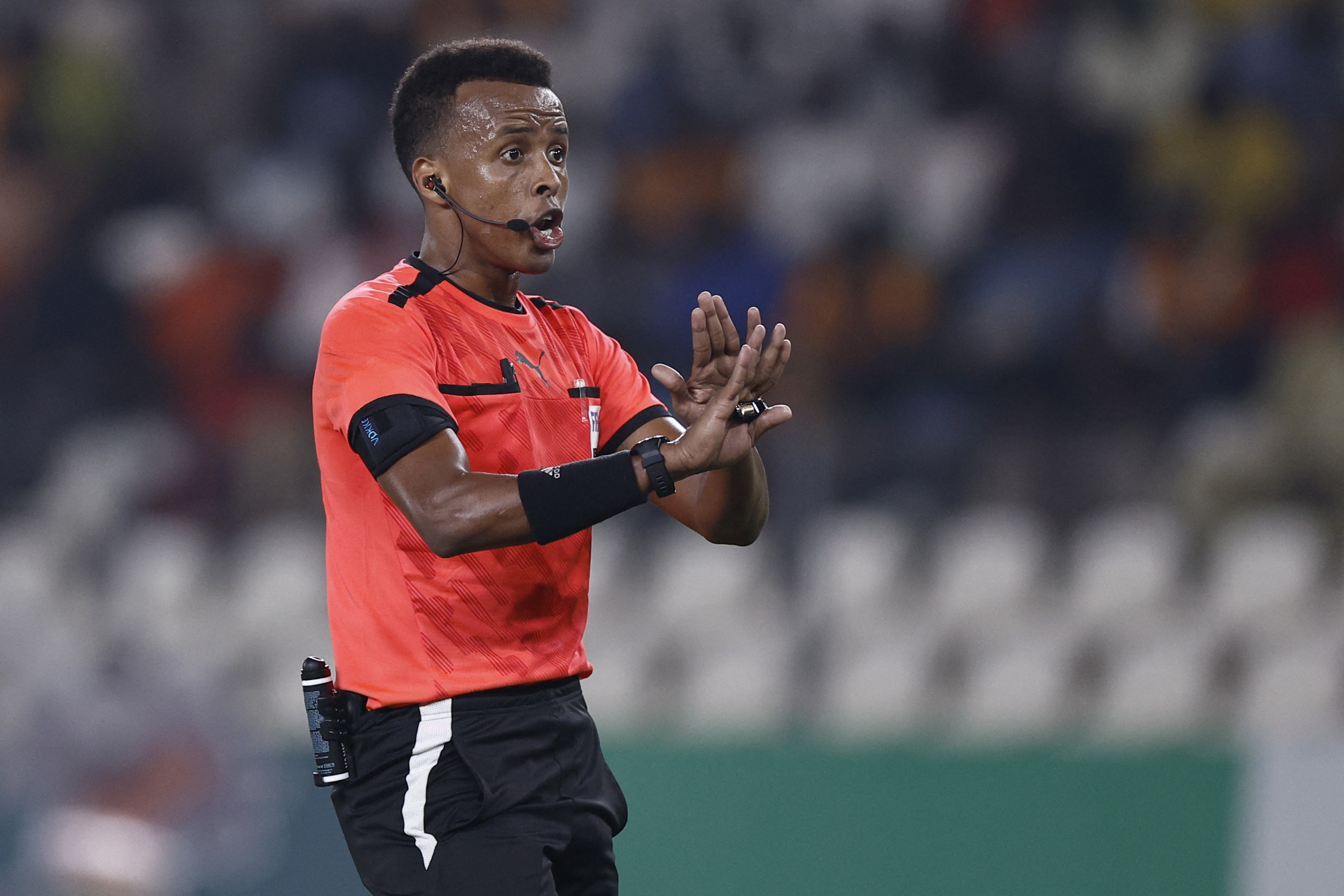
Somali referee removed from the World Cup after being barred by the USA would make history for his country; get to know
Somali referee Omar Abdulkadir Artan in a photo from January 2024.Kenzo Tribouillard/AFPSomali referee Omar Artan, who...Unlike some previous editions, in which there was more centralized coordination of expenses, American cities made individual commitments to meet FIFA's requirements. This means that each venue assumes its own financial and operational responsibilities to guarantee the games.
In addition to the legal responsibility for all security and infrastructure, city halls were prohibited from entering into partnerships with competitors of the tournament's official sponsor companies, which made it difficult to monetize the flow of tourists. For host cities, economic benefits depend mainly on the ability to attract tourists and stimulate consumption in hotels, restaurants, bars, shops and other services linked to the hospitality sector.
The areas that require the most money from city halls in American cities are:

Toque agora.



- Public safety: host cities need to invest millions of dollars in policing, monitoring and crowd control. The delay in releasing federal resources has increased pressure on local budgets.
- Commercial restrictions: FIFA contracts guarantee exclusivity to official sponsors, limiting the ability of cities to sign their own commercial agreements and generate extra revenue during the tournament.
- Costs of Fan Fests: Public spaces intended for broadcasting games require high spending on infrastructure, security and logistics, expenses that are the responsibility of municipal governments.
Large metropolises that withdrew from hosting the tournament
Before the World Cup even started, the financial problem for the cities was already predicted. As a result, large cities with a sporting culture ended up withdrawing from their candidacy to host the FIFA tournament, as is the case of Chicago and Minneapolis.
At the time, Chicago's mayor claimed it was an unacceptable risk to taxpayers. The politician also stated that the city would not give a blank check to cover the organization's eventual billion-dollar deficits.
Profits expected by cities
In the United States, the country that will host most of the games, strong economic activity is expected during the competition period. Large urban centers such as New York, Los Angeles and Miami expect to receive hundreds of thousands of visitors, increasing hotel occupancy and boosting local commerce.
The tournament is also expected to generate thousands of temporary jobs linked to the tourism, transport and entertainment sectors.
Mexico is also betting on the positive effects of the World Cup. With already established stadiums and a consolidated tradition in international tourism, the country hopes to take advantage of the flow of visitors with smaller investments in infrastructure.
Experts point out that this combination can favor a more efficient economic return compared to other hosts who need to spend more money to host the event.
In Canada, on the other hand, the debate about costs and benefits remains more intense.
Although there is an expectation of economic growth during the tournament, authorities and analysts are closely monitoring the public spending necessary to ensure the matches take place.
Investments in security, urban mobility and logistics operations represent a significant part of the bill that will be the responsibility of local governments.
See the ranking of the most valuable squads of the World Cup
Source: CNN

Historias das musicas em destaque
 Historia da musica
Vaneira for Meninas Affectionate: learn to play the lively swing of Grupo Tradição
09/06/2026
"Vaneira pras Meninas Carinhosas", by Grupo Tradição, is a song made to dance, sing along and liven up any environment. With a contagio...
 Historia da musica
Muse of Copacabana: learn to play Carlinho Motta's romantic song
09/06/2026
"Musa de Copacabana", by Carlinho Motta, is a romantic song with a light, poetic atmosphere and full of Brazilian images. The song walk...
 Historia da musica
It's Bad, But It's Good: learn to play Gilberto and Gilmar's good-natured hit
09/06/2026
"Tá Ruim, Mas Tá Bom", by Gilberto and Gilmar, is a fun, popular country song full of funny situations. The song works with a well-know...
 Historia da musica
A Pen e a Enxada: learn to play the country classic by Sérgio Reis
09/06/2026
The song "A Caneta e a Enxada", by Sérgio Reis, is one of those songs that carry the strength of country music roots, mixing memory, no...
 Historia da musica
Learn to Play Mulheres Em Missão on Guitar with Complete Tab and Updated Chords
09/06/2026
The song "Mulheres Em Missão", performed by the Seventh-day Adventist Church, is an inspiring song that conveys a powerful message of f...
 Historia da musica
For Whom the Bell Tolls Continues to Inspire Generations of Musicians
09/06/2026
"For Whom the Bell Tolls" is a composition that remains relevant thanks to its artistic strength and the depth of its interpretation. T...
 Historia da musica
Pynk Gains Prominence Among Musicians Seeking New Challenges
09/06/2026
"Pynk" is a song that draws attention for its different artistic proposal and modern sound. Composition offers musicians an excellent o...
 Historia da musica
Vai Esperar: A Song That Invites Reflection and Musical Learning
09/06/2026
The song "Vai Esperar" presents an interesting combination of engaging melody and striking interpretation. Its accessible style makes i...
 Historia da musica
Father From Heaven is a Beautiful Option for Praise on Guitar
09/06/2026
Worship songs have the ability to bring people closer to spirituality, and "Pai Do Céu" is a striking example of this type of compositi...
 Historia da musica
Marginal Revolution Unites Rap, Social Consciousness and Musicality
09/06/2026
"Marginal Revolution", by the band Mec'Roots, is a composition that combines social criticism, cultural identity and artistic expressio...
Mais noticias para voce
 Noticia
09/06/2026
SP: Defense of police officers accused of Gritzbach's death disputes expert opinion
Shortly before the popular jury of military police officers accused of participating in the death of Vinicius Gritzbach, whistleblower of the PCC (First Command...
 Noticia
09/06/2026
Artemis III: NASA reveals mission crew scheduled for 2027
NASA announced, this Tuesday (9), the astronauts chosen for the Artemis III mission, considered one of the most complex operations of the new era of lunar explo...
 Noticia
09/06/2026
When do you play? Understand the scheme for Hulk's debut at Fluminense
The expectation surrounding Hulk's debut for Fluminense after the World Cup continues without an exact date, generating anxiety for both the striker and the clu...
 Noticia
09/06/2026
Ancelotti outlines the team's possible lineup for their World Cup debut; look
The Brazilian team did another training session in the early afternoon of this Tuesday (9) in New Jersey, in the United States. Without Neymar, coach Carlo Ance...
 Noticia
09/06/2026
Thaís Regina completes six months without acting and is getting closer to returning to Corinthians
- By Mirella Ramos / Central do Timão Editorial Defender Thaís Regina reached, last Sunday (7), the six-month mark without playing an official match for Corinth...
 Noticia
09/06/2026
Former Corinthians base managers are expelled from the club by the Members' Ethics Committee
By Meu Timão on 09 of June of 2026 at 13:31 This Monday, Claudinei Alves and Valmir Costa, former directors of Corinthians' youth teams during Augusto Melo's ma...
Participe da conversa
Seu comentario ajuda a manter a discussao viva e ainda convida outros leitores a continuar navegando pelo portal.
Seja o primeiro a comentar esta noticia.