



Leia a noticia completa
NR-1: see what changes with the new rule on mental health at work
Mental health conditions and brain disorders already cost the global economy around US$5 trillion per year - a value that could exceed US$16 trillion by 2030 if there are no effective interventions.
This is what the study "Creating Workplace Environments that Support Brain Health" points out, developed by Sodexo in partnership with Social Impact Partners and the Global Brain Health Initiative.
Do you have any suggestions for a report? Send it to g1
According to the survey, depression and anxiety alone are responsible for US$ 1 trillion in lost productivity annually and 12 billion working days lost every year.
The study also highlights that disengaged employees generate losses estimated at US$8.8 trillion worldwide, equivalent to 9% of global GDP.
In this context, experts point out that the corporate environment has started to play a central role in reversing this situation. This is because workers spend, on average, 90 thousand hours at work throughout their lives, which makes this space strategic for promoting mental health care.
"The way work is organized, how leaders interact and how people rest and socialize directly influence mental health. Care needs to be incorporated into everyday life", says Ana Menegotto, vice president of people, communication and ESG at Sodexo Brasil.
The executive highlights that psychological safety cannot be treated as an isolated initiative, but as a result of the design of the environment and organizational culture.
The debate gains even more strength with the update of Regulatory Standard No. 1 (NR-1), in force since May, which expanded companies' responsibility for risks to workers' mental health. (understand what has changed)
Moral harassment at work can have consequences on the victim's mental and physical health
Freepik
The importance of care
The study proposes an integrated approach to mental health, considering factors such as diet, sleep, physical activity, physical environment, social connections, purpose, stress management, mental fitness and preventive care.
The publication brings together scientific evidence that shows how these elements directly influence people's cognitive health, productivity and ability to adapt. Among the highlights is the defense of healthier work environments.
The report points out that factors such as natural lighting, air quality, noise reduction, living spaces and encouraging rest can significantly improve cognitive performance and reduce stress.
One of the studies cited shows that workers in buildings with better ventilation and lower concentrations of pollutants performed up to 61% better in cognitive tests.
The research also highlights the importance of social relationships in the corporate environment. Data gathered in the document shows that loneliness increases the risk of dementia by 31% and is associated with higher rates of anxiety, depression and mental exhaustion.
In addition to the human impact, experts argue that investing in mental health also generates financial returns. According to the report, initiatives aimed at brain health could add US$6.2 trillion to the global GDP by 2050, with a reduction in sick leave, increased engagement and improved productivity.
For the authors, the advancement of mental disorders requires that companies stop treating the issue just as a corporate benefit and start seeing it as part of the business strategy.
In this scenario, the workplace stops being a risk factor and starts acting as a protective agent - indicating that taking care of mental health is no longer just a social responsibility, but a condition for the sustainability of organizations.
NR-1: How do you know if you are in a toxic work environment? Take the QUIZ and find out how to report
Source: G1
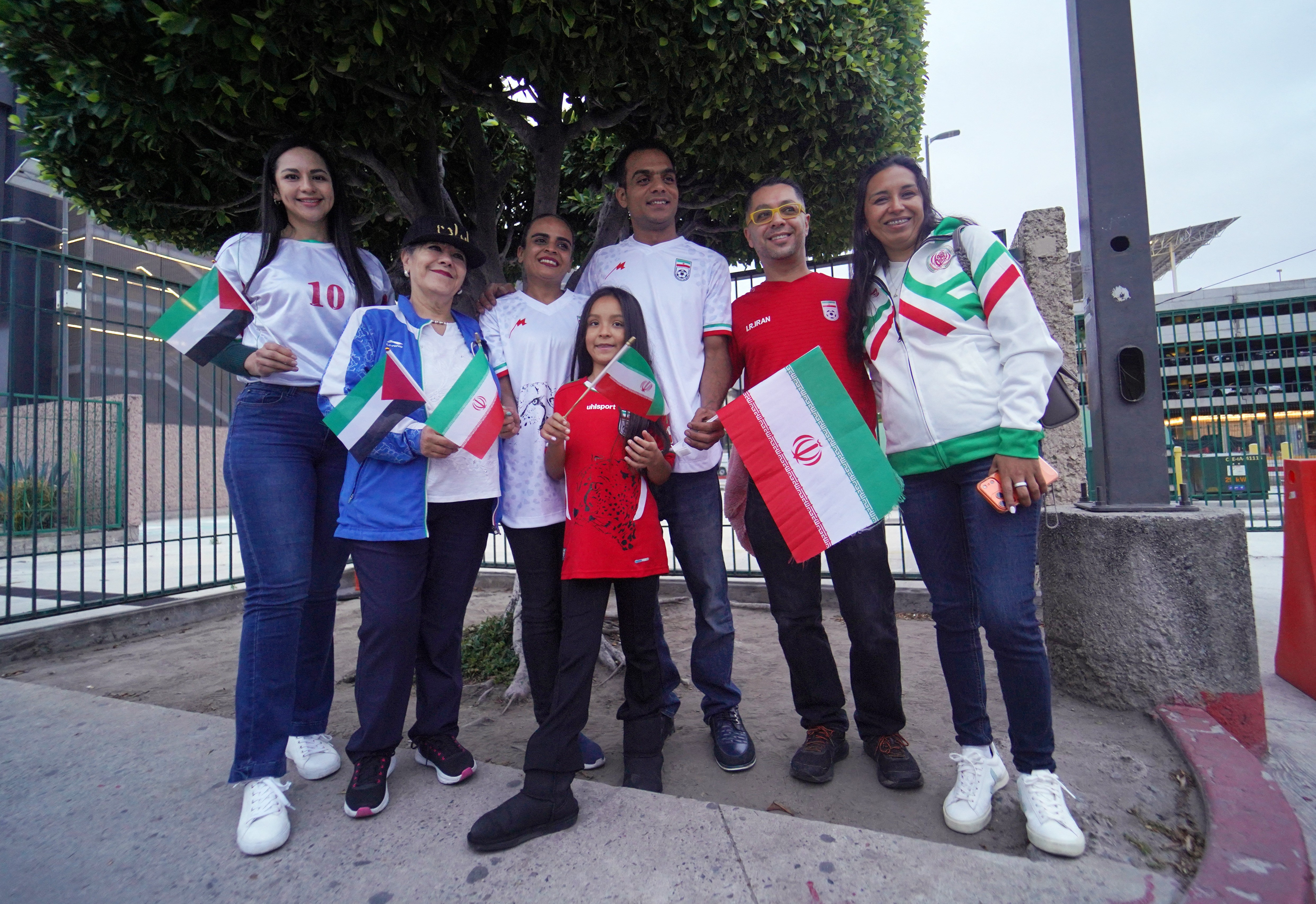
US revokes World Cup tickets from Iran fans, says country's Football Federation
Fans at Tijuana International Airport, in Mexico, welcome the Iran national team upon arrival for the World Cup, on Ju...
US and Israel have "differences" to resolve, Israeli ambassador tells CNN
Israel and the United States still have "some differences" to resolve over how to end the war with Iran, the Israeli a...
Operation targets illegal sale of weight loss pens in Rio and SP
An operation by Decon-RJ (Consumer Police) targets a cell selling illegal weight loss pens this Tuesday morning (9) in...
Toque agora.




Historias das musicas em destaque
 Historia da musica
On My Mind II: learn to play Anand Bhatt's song with a pop and engaging atmosphere
08/06/2026
On My Mind II, by Anand Bhatt, is a song with a pop, romantic and danceable atmosphere, bringing an immersive sound that can work very...
 Historia da musica
In Awe Of You: play an intense worship of Jesus Culture on the guitar
08/06/2026
In Awe Of You, by Jesus Culture, is a worship song with a deep atmosphere, worship lyrics and a musical construction aimed at moments o...
 Historia da musica
A Chance: learn to play a romantic song full of feeling
08/06/2026
A Chance, by Gutemberg Silveira, is a romantic song that talks about mistakes, forgiveness, regret and the possibility of starting love...
 Historia da musica
In Capernaum: learn to play a song of faith, miracle and overcoming on the guitar
08/06/2026
In Capernaum, by Alisson Santos, is a song marked by spiritual strength, biblical narrative and growing emotion. The song takes the lis...
 Historia da musica
At Canga: learn to play Jammil E Uma's hit Noites with a summer atmosphere
08/06/2026
"Na Canga", by Jammil E Uma Noites, is a song full of energy, sun, beach and high spirits. The song carries that contagious atmosphere...
 Historia da musica
Adorar: learn to play the Fluir song with emotion and presence
08/06/2026
"Adorar", by Fluir, is a praise song that translates in a few words a very strong feeling: the desire to prostrate oneself before God a...
 Historia da musica
It Is In Your Presence: learn to play this praise of surrender and adoration
08/06/2026
"Esta Em Tua Presença", by Cristiano Cruz, is a song of praise marked by a direct, deep and spiritual message. The song talks about the...
 Historia da musica
Nobody Explains God in Black and White and Gabriela Rocha: an inspiring figure for moments of worship
08/06/2026
Nobody Explains God is one of the most popular gospel songs of recent years. Performed by Preto no Branco with the participation of Gab...
 Historia da musica
Make a Miracle in Me by Régis Danese: a gospel song that marked generations
08/06/2026
Make a Miracle in Me is one of the best-known songs of Régis Danese's career. The song has become a true anthem of faith, hope and pers...
 Historia da musica
Lugar Secreto by Gabriela Rocha: a powerful worship chord for the guitar
08/06/2026
Lugar Secreto is one of the most impactful songs in Gabriela Rocha's repertoire. The song won over churches and worship ministries for...
Mais noticias para voce
 Noticia
09/06/2026
How to choose the ideal neighborhood to live with your family
Choosing a property goes beyond analyzing the plan, size, finishing or structure of the condominium. The neighborhood where it is located directly influences da...
 Noticia
09/06/2026
Viridis signs energy contract for rare earths project in MG
Viridis Mining and Minerals signed the first major contract for the execution of the Colossus rare earths project in Minas Gerais. The agreement was signed with...
Noticia
09/06/2026
BTG sees Solvay paving the way for European financing for Viridis
BTG Pactual assesses that the letter of intent signed between the Australian Viridis Mining and Minerals and Solvay could pave the way for new forms of European...
 Noticia
09/06/2026
EU demands accelerate race for traceability in livestock farming
The pressure for greater transparency in food production has accelerated the adoption of traceability technologies in Brazilian livestock farming. Driven mainly...
 Noticia
09/06/2026
Prada launches cooling suit for NASA astronauts on their way to the Moon
Italian fashion brand Prada revealed on Sunday (7) the inner layer suit to be worn by NASA astronauts on their way to the Moon, highlighting the brand's effort...
 Noticia
09/06/2026
'Neymar's call-up changed everything': popular businesses celebrate high sales for the World Cup
With Neymar called up, popular commerce celebrates high sales for the World CupA few days before the start of the World Cup, traders in the region of Rua 25 de...
Participe da conversa
Seu comentario ajuda a manter a discussao viva e ainda convida outros leitores a continuar navegando pelo portal.
Seja o primeiro a comentar esta noticia.