



Leia a noticia completa
A discovery made by researchers at Memorial University in Canada is challenging fundamental biological concepts about life, death and aging. A study published in the scientific journal "Science Advances" revealed that fragments of tissue from a species of sea cucumber remained alive for more than three years after being separated from the animal's body.
Scientists observed that these fragments not only survived, but maintained several biological functions considered typical of living organisms. They healed wounds, reorganized their internal structures, absorbed nutrients from the environment and continued to display cellular and immunological activity.
The team began calling the fragments "zombie tissue" because they exist in a kind of gray zone between life and death. They are not complete organisms, they cannot reproduce nor do they transform into new individuals. Yet they remain active and functional for periods that, until now, were considered impossible for isolated complex tissues.

Djavan cancels show in Angola due to the 'sanitary context' in Africa; neighboring country faces Ebola outbreak
DjavanDisclosureSinger Djavan announced this Tuesday (9) the cancellation of his show in Luanda, capital of Angola, sc...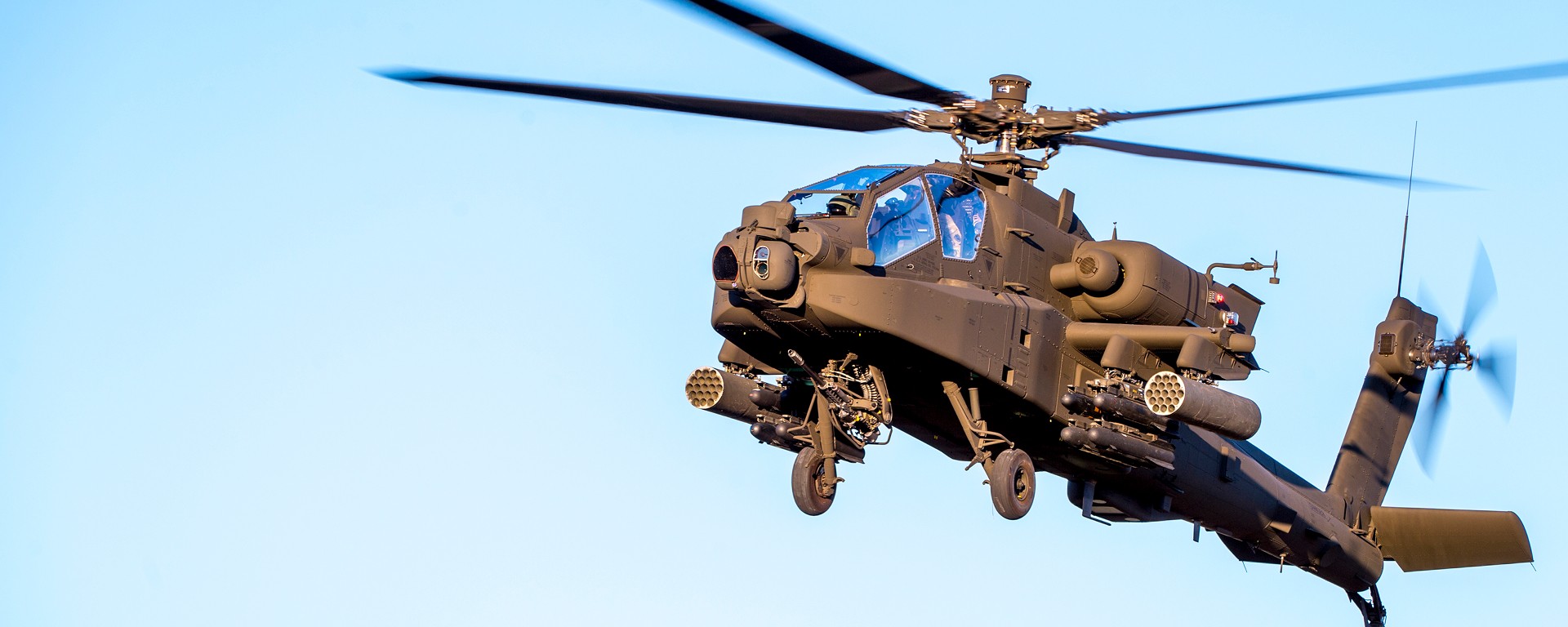
US launches bombing of Iran in retaliation for downing of helicopter in Hormuz
Apache helicopter model AH-64, the same one that crashed near the Strait of HormuzDisclosure / BoeingThe United States...
Man who dragged ex-partner is sentenced to 12 years in MG
The Minas Gerais Court sentenced the man who dragged his ex-partner on the asphalt to 12 years in prison when she trie...A discovery made by chance
It all started after a routine experiment in researcher Sara Jobson's laboratory.
Small fragments of tissue from a sea cucumber of the species Psolus fabricii were left in tanks with running seawater. The material was expected to deteriorate quickly, as happens with practically any animal tissue separated from its body. But that didn't happen. After weeks, the tissues remained intact. After months, they were still alive.
A living tube foot after several years - Credits: Mercier Lab
Over the years, researchers realized that they were facing a phenomenon that had never been documented. From this unexpected observation, the team began a detailed investigation to understand how those fragments managed to survive.

Toque agora.




Wounds heal within a few days
Experiments showed that tissues reacted immediately to separation.
In the first few days, the injured areas underwent an intense cellular cleansing process. Damaged parts were eliminated while new cells emerged to repair the injuries. In less than a week, all the samples analyzed had completely closed the wounds caused by the cut.
The researchers also recorded constant activity of mitosis, the process responsible for cell division, and apoptosis, the mechanism by which damaged cells are eliminated in a programmed manner. The combination of these processes allowed tissues to continually reorganize.
In addition, immune cells known as coelomocytes migrated to the injured regions, helping to fight possible infections and remove damaged material.
Active cellular processes (mitosis and apoptosis) in tube foot explants between 0 and 6 days after excision (DPE) - Credits: Mercier Lab
How can tissues survive without a mouth or digestive system?
One of the scientists' biggest questions was where the energy needed to keep the tissues functioning came from. The answer came after tests that analyzed the absorption of nutrients present in seawater.
The experiments demonstrated that the fragments were able to absorb dissolved amino acids directly from the environment. The capacity was especially intense during the first few weeks after separation, when the energetic demand for healing was greatest. According to the authors, tissues can also reuse internal reserves to sustain their biological activities.
The result means that, even without a mouth, stomach or digestive system, the fragments are able to obtain enough resources to stay alive.
Another aspect that drew attention was the environment in which the tissues survived. Normally, maintaining cells or tissues outside organisms requires highly controlled laboratories, sterile environments and specific chemical solutions to avoid contamination. In the case of the Psolus fabricii fragments, none of this was necessary.
The fabrics remained in natural seawater, rich in bacteria, fungi, microorganisms and organic particles. Even so, they remained alive.
Healed tube feet of a sea cucumber - Credits: Mercier Lab
For researchers, this resistance suggests the existence of extremely efficient immunological and biochemical mechanisms, capable of protecting the fragments against infections and degradation.
Growth continues even after years
Observations have shown that tissues have undergone significant changes over time. Initially, the fragments decreased in size after cutting. Months later, they recovered their original dimensions. In some cases, they even became larger than they were immediately after being removed from the animal. Internally, the structure was also reorganized.
The muscular tissues gradually disappeared, while the connective tissue began to occupy most of the fragment. According to the authors, this may represent an adaptation to reduce energy expenditure with structures that no longer perform an important function outside the original organism. Even after more than three years, researchers found no clear signs of aging or functional decline.
Tube foot explants at different observation periods, expressed in days after excision (DPE), over 2.5 years - Credits: Mercier Lab
Phenomenon was not observed in other species
To verify whether the ability was common among echinoderms - a group that includes sea stars, sea urchins and sea cucumbers - the scientists repeated the experiments on several species. The results were different.
Although some tissues managed to survive for a few weeks or months, they all ended up degrading. None showed the longevity observed in Psolus fabricii. This suggests that the characteristic may be exclusive to the species studied or depend on biological mechanisms that are still unknown.
See animals with unique characteristics in nature
-
Swap imageSwap imageSwap image
1 of 21
Relative to the Tasmanian devil, the northern quoll is a small carnivorous marsupial that is the subject of a biological mystery. Males are so sex-crazed that they die of exhaustion after a marathon mating session - Pixabay
-
Change imageChange image
2 of 21
Known as "the kangaroo's cousin", the bare-nosed wombat, or common wombat, draws attention in the animal world for a curious aspect: feces in the shape of cubes or blocks - Jamie La/Moment RF/Getty Images/File via CNN Newsource
-
Swap imageSwap imageSwap image
3 of 21
Dasyurus viverrinus, a marsupial that lives in the forests of Tasmania, can glow in the dark - Beaker Street/Ben Alldridge Scientific Photography Award
-
Change imageChange image
-
Swap imageSwap imageSwap image
4 of 21
Many barn owls have white undersides, a feature that researchers suggest could allow the birds to effectively mimic the Moon as a form of camouflage before surprising prey - Juanjo Negro via CNN Newsource
-
Change imageChange image
5 of 21
Globular springtail, a type of insect that can do somersaults backwards in the air, spinning more than 60 times its body height in the blink of an eye. They can reach a maximum rate of 368 rotations per second - Adrian Smith
-
Swap imageSwap imageSwap image
6 of 21
Songbirds of the genus Dark-eyed Junco changed the size of their beaks during the period of the Covid pandemic in the United States due to the change in food supply on a University of California campus - Sierra Glassman
-
Change imageChange image
-
Swap imageSwap imageSwap image
7 of 21
Mites (named Araneothrombium brasiliensis) parasitize spiders and form a necklace of larvae to suck fluids.
Brazilian discovery involved researchers from the Butantan Institute - Ricardo Bassini-Silva /Instituto Butantan
-
Change imageChange image
8 of 21
Veronika, a Swiss Brown cow, lives on a farm in the small Austrian town of Nötsch im Gailtal. She surprised scientists by demonstrating intelligence and using tools to scratch herself - Antonio J. Osuna Mascaró
-
Swap imageSwap imageSwap image
9 of 21
In the frigid waters of Alaska's Bristol Bay, a new study reveals how a small population of beluga whales survives over time through a surprising strategy: They mate with multiple partners over several years - OCEONOGRAFIC DE VALENCIA HANDOUT / REUTERS
-
Change imageChange image
-
Swap imageSwap imageSwap image
10 of 21
Images taken by a UFSC researcher show a parasitic fungus that controls spiders in the Amazon and resemble cordyceps from The Last of Us - Elisandro Ricardo Drechsler-Santos
-
Change imageChange image
11 of 21
Scientists recorded a rare giant ghost jellyfish (Stygiomedusa gigantea) during a scientific expedition into deep-sea ecosystems along the entire coast of Argentina. The sighting was released by the Schmidt Oceanographic Institute. The animal's bell can reach up to one meter in diameter, while its four arms can reach up to 10 meters in length. - Reuters
-
Swap imageSwap imageSwap image
12 of 21
Children love to play pretend, organizing imaginary tea parties, teaching teddy bear classes or running their own grocery stores. Now, a new study suggests that this pretend play is not an exclusively human talent, but an ability that great apes also possess, such as the bonobo - Ape Initiative
-
Change imageChange image
-
Swap imageSwap imageSwap image
13 of 21
Scientists have identified a new type of visual cell in deep-sea fish that combines the shape and structure of rods with the molecular machinery and genes of cones. This hybrid cell type, adapted to low-light environments, was found in larvae of three species in the Red Sea. The species studied were: the hatchetfish (Maurolicus mucronatus), the sunfish (Vinciguerria mabahiss) and the lanternfish (Benthosema pterotum) - Wen-Sung Chung/Disclosure/Reuters
-
Change imageChange image
14 of 21
Wild chimpanzees in Uganda have provided new support for the "drunken monkey" hypothesis - the idea that primates have long been exposed to low levels of alcohol in fermented fruits, and may even be attracted to them - after urine tests revealed that most samples contained a direct metabolic marker of ethanol, researchers reported in a new study. - Reproduction
-
Swap imageSwap imageSwap image
15 of 21
Study from the Massachusetts Institute of Technology (MIT) points out that the first animals on Earth were probably ancestors of sea sponges. Research has identified "chemical fossils" preserved in rocks that are more than 541 million years old - Shutterstock
-
Change imageChange image
-
Swap imageSwap imageSwap image
16 of 21
Predominantly nocturnal and incredibly elusive, ghost elephants move stealthily across Angola's rugged highlands.
They avoid humans, making every sighting - and every camera-trap image - Kerllen Costa and Antonio Luhoke
-
Change imageChange image
17 of 21
Known as Arota Festae, scientists have discovered a rare grasshopper with a vibrant pink color, capable of changing color to a green that imitates the leaves of tropical plants - Reproduction
-
Swap imageSwap imageSwap image
18 of 21
This spectacular pit viper was among 11 new species discovered in Cambodia's karsts - ancient limestone cliffs with hidden cave systems. Although its official name has not yet been defined, the term "pit" refers to the thermosensitive organ in its head, which it uses to detect and track warm-blooded prey - Phyroum Chourn/Fauna and Flora
-
Change imageChange image
-
Swap imageSwap imageSwap image
19 of 21
A species of small fish was observed by thousands of people climbing a 15-meter-high vertical waterfall in the Democratic Republic of Congo, in behavior that illustrates the surprising and ingenious ways in which animals can adapt to extreme environments - Reuters
-
Change imageChange image
20 of 21
Human children often copy their friends' preferences for toys or clothing, while adults tend to adhere to popular diets or lifestyle trends. Now, it has been discovered that this type of imitation is not exclusive to our species, as wild parrots learn to try new foods by copying their counterparts, suggests a new study - Júlia Penndorf
-
Swap imageSwap imageSwap image
21 of 21
In Angola, a crowned crab spider that glows blue under ultraviolet light - for reasons still unknown to scientists - Nicky Bay/The Wilderness Project
-
Change imageChange image
-
-
-
-
-
-
-
-
-
-
-
-
-
-
-
-
-
-
-
-
-
default view
full view
grid view
What could this mean for science?
Researchers say they still don't know what evolutionary advantage explains this phenomenon. They also avoid claiming that the fabrics are truly immortal. What the study demonstrates is that they remained alive and functional for more than three years without showing obvious signs of deterioration.
The discovery could have important implications for areas such as regenerative medicine, tissue engineering, studies on aging and the development of new biological models for research. Furthermore, so-called "zombie tissues" may offer a rare opportunity to study how complex structures can maintain vital functions autonomously for extremely long periods.
For the authors, the main conclusion is that the results challenge one of the most basic premises of modern biology: that complex tissues inevitably die shortly after being separated from the organism to which they belong.
Source: CNN

Historias das musicas em destaque
 Historia da musica
Learn to Play the Song with the Complete Tab on Guitar and Acoustic Guitar
09/06/2026
If you are looking for a new song to expand your repertoire and develop your guitar skills, this song is an excellent opportunity to st...
 Historia da musica
More Than A Voice (ver.2) - Learn to Play Praise by Kleber Lucas on Guitar
09/06/2026
The song "Mais Que Uma Voz", by Kleber Lucas, is one of the worship songs that marked the Brazilian gospel repertoire by transmitting a...
 Historia da musica
Vaneira for Meninas Affectionate: learn to play the lively swing of Grupo Tradição
09/06/2026
"Vaneira pras Meninas Carinhosas", by Grupo Tradição, is a song made to dance, sing along and liven up any environment. With a contagio...
 Historia da musica
Muse of Copacabana: learn to play Carlinho Motta's romantic song
09/06/2026
"Musa de Copacabana", by Carlinho Motta, is a romantic song with a light, poetic atmosphere and full of Brazilian images. The song walk...
 Historia da musica
It's Bad, But It's Good: learn to play Gilberto and Gilmar's good-natured hit
09/06/2026
"Tá Ruim, Mas Tá Bom", by Gilberto and Gilmar, is a fun, popular country song full of funny situations. The song works with a well-know...
 Historia da musica
A Pen e a Enxada: learn to play the country classic by Sérgio Reis
09/06/2026
The song "A Caneta e a Enxada", by Sérgio Reis, is one of those songs that carry the strength of country music roots, mixing memory, no...
 Historia da musica
Learn to Play Mulheres Em Missão on Guitar with Complete Tab and Updated Chords
09/06/2026
The song "Mulheres Em Missão", performed by the Seventh-day Adventist Church, is an inspiring song that conveys a powerful message of f...
 Historia da musica
For Whom the Bell Tolls Continues to Inspire Generations of Musicians
09/06/2026
"For Whom the Bell Tolls" is a composition that remains relevant thanks to its artistic strength and the depth of its interpretation. T...
 Historia da musica
Pynk Gains Prominence Among Musicians Seeking New Challenges
09/06/2026
"Pynk" is a song that draws attention for its different artistic proposal and modern sound. Composition offers musicians an excellent o...
 Historia da musica
Vai Esperar: A Song That Invites Reflection and Musical Learning
09/06/2026
The song "Vai Esperar" presents an interesting combination of engaging melody and striking interpretation. Its accessible style makes i...
Mais noticias para voce
Noticia
09/06/2026
Analysis: Trump's repetition of the agreement with Iran creates a credibility gap
A CNN survey revealed that Donald Trump has said he is close to reaching an agreement with Iran at least 37 times since the beginning of the ceasefire. This Tue...
 Noticia
09/06/2026
Azul, Gol and Latam are expected to increase frequency in the Northeast and Amazon
The three largest airlines in Brazil, Azul, Gol and Latam, are expected to increase the frequency of flights to the Legal Amazon region and the Northeast, given...
 Noticia
09/06/2026
6×1: Otto awaits Alcolumbre, but says he will not guide alternative PEC
The president of the Constitution and Justice Committee (CCJ) of the Senate, Otto Alencar (PSD-BA), stated this Tuesday (9) that the PEC (Proposed Amendment to...
 Noticia
09/06/2026
What does the report presented by Armando Mendonça say to contest the audit of the Nike case at Corinthians
By Larissa Beppler and Henrique Vigliotti | Central do Timão newsroom A report prepared by Villela & Associados Auditoria e Consultoria, a company hired by Cori...
 Noticia
09/06/2026
Corinthians Sub-20 x Avaí: where to watch, absences, lineups, refereeing
- By Fabio Luigi / Central do Timão Editorial On the afternoon of this Wednesday (10), at 3 pm (Brasília time), Corinthians will host Avaí, at the Alfredo Schür...
 Noticia
09/06/2026
Striker reveals conversations with Corinthians before returning to Atlético Mineiro
By Matheus Fiuza on 09 of June of 2026 at 19:01 Bernard, Atlético Mineiro striker, revealed that he had conversations with Corinthians before returning to his c...
Participe da conversa
Seu comentario ajuda a manter a discussao viva e ainda convida outros leitores a continuar navegando pelo portal.
Seja o primeiro a comentar esta noticia.