



Leia a noticia completa
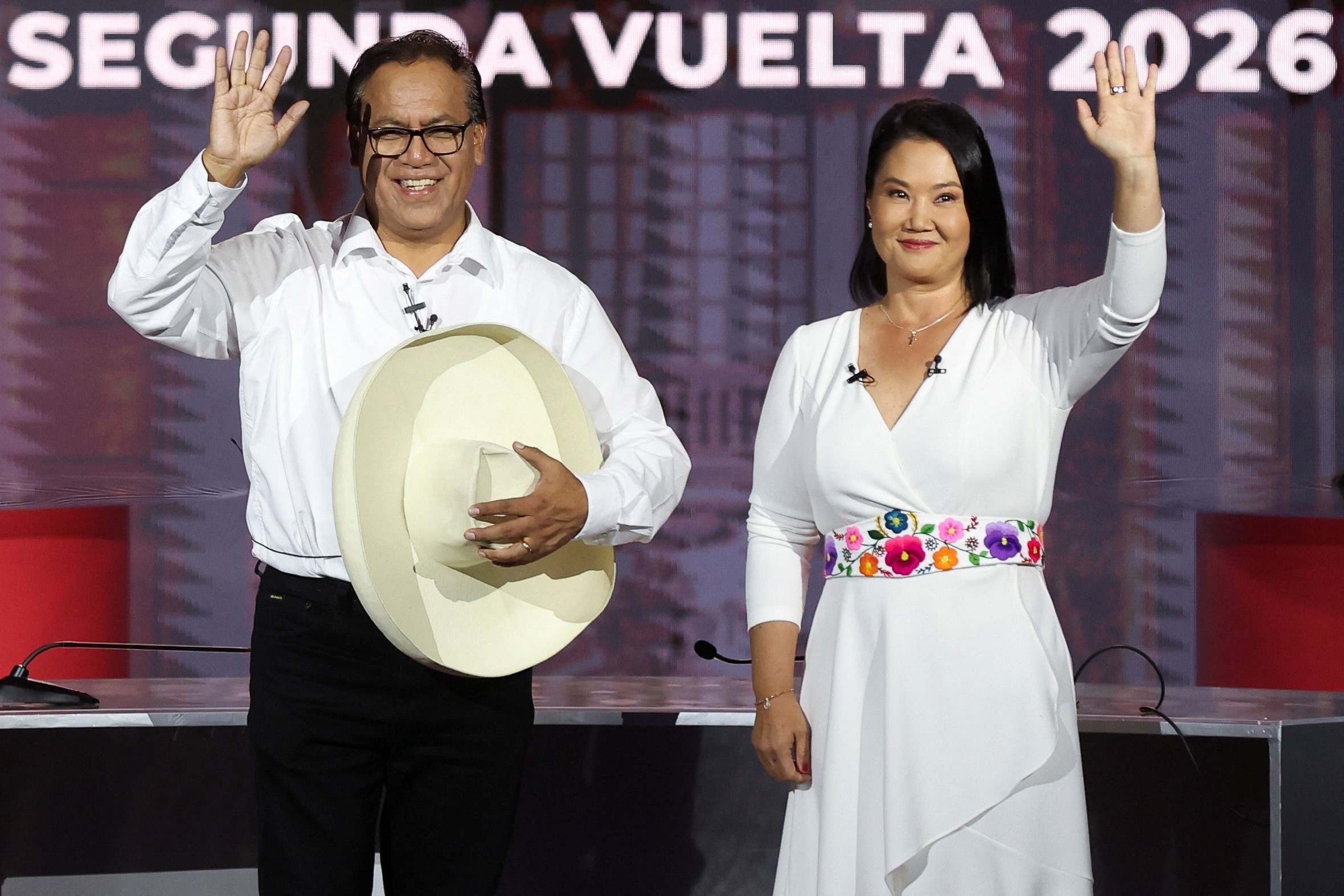
The right-wing candidate, Keiko Fujimori, and the left-wing candidate, Roberto Sánchez, before a televised debate on May 31 in Lima, on the eve of the second round of presidential elections, scheduled for June 7.
Reuters/Alessandro Cinque
In the midst of a deep crisis and the discredit of institutions, Peruvians will go to the polls this Sunday (7) to elect a new president among the left-wing candidate Roberto Sánchez and the country's right-wing leader, Keiko Fujimori.
The scenario is a kind of "repeat" of the last elections of 2021, when the leftist Pedro Castillo - of whom Sánchez was minister - beat Keiko in the second round and, months later, staged an attempted coup, being arrested and convicted.
The dispute comes to an end - as expected - after an extremely turbulent first round, with the right to contestation, controversies and a delay of almost a month for the results of the polls.
Keiko, daughter of convicted former president Alberto Fujimori, was confirmed in first place right from the beginning, but the dispute between who would be her opponent lasted weeks and had to be determined vote by vote.
Sánchez and the far-right candidate Roberto López Aliaga were practically tied until the final count.
The National Observatory of Electoral Processes (ONPE), the Peruvian TSE, only dropped the hammer when the count reached 99.94% of the revised electoral records, and confirmed Sánchez in the 2nd round. In other words, the campaign time was one of the shortest the country has ever had.
The delay in counting and the electoral challenges, added to a record number of presidential candidates in the country, 35 in total, show the extreme political fragmentation and the crisis of confidence in the democracy that Peru is experiencing.
Lucas Berti, political scientist, researcher on Peru at the South American Political Observatory and executive coordinator of the International Relations and Global South Group, states that, in fact, what happened in these elections in the country does not come from a "vacuum".
"It is a symptom of a process of institutional delegitimization that has been happening in recent years in the country. And this, to the extent that elected presidents are unable to govern", he stated.
9 presidents in 10 years
Peru has had 9 presidents in 10 years. To give you an idea, presidential terms in Peru are 5 years. In other words, in democratic stability, the country would only have two presidents in the same period. However, the reality was different and some leaders did not last even 5 days in office.
"In these years, the leadership that lasted the longest was that of Dina Boluarte, who remained in power for almost three years. But, after displeasing the opposition led by Keiko's Fujimorist coalition in Congress, he also fell", says Berti
In addition, it is worth highlighting article 113 of the Peruvian Constitution, which states that a president can be overthrown due to "permanent moral or physical incapacity" - and those who evaluate this diagnosis are the parliamentarians.
So, by For example, if Congress simply doesn't like a law that the president is trying to pass, they can activate that article, vote and, in less than 24 hours, overthrow a president who was elected by the majority of the population.
For political scientist Berti, this ease of the process demonstrates the institutional fragility at play in Peru. According to him, in recent years, the Fujimorist coalition, with an absolute majority in Congress, has been articulating powers, whether in the Legislature, in the courts or in the judicial system.
Since 2008, Alberto Fujimori's daughter has led this Fujimorist current by founding the Fuerza Popular party and trying to reach the Executive Power in Peru. But that doesn't happen, explains Berti.
"Keiko lost the last three elections (2011, 2016 and 2021) in the second round, by very tight margins. And now in this election, in 2026, he goes to the second round with a larger margin of votes. Some institutes give an advantage to Keiko, others to Sánchez.
Which indicates one thing: the election will be difficult and the result is still open", says Berti.
Democracy in crisis: 'chronic distrust'
The consequence of this struggle between the Executive and Legislative branches in the country resulted not only in a deep political crisis, but also in the way the population sees democracy.
"The credibility of institutions is very low if we look at the last 10 years. And distrust in Congress exceeds 90%, especially during the process that would result in the fall of former president Dina Boluarte, in 2025", explains Berti.
The most recent data from the Latinobarómetro survey, which measures the level of democracy in Latin American countries, shows that Peru faces one of the lowest levels of trust in institutions compared to other countries in Latin America. There is what can be classified as "chronic distrust".
According to the data, 90% of Peruvians have little or no confidence in the government and Congress; and only 10% say they are satisfied with democracy. Furthermore, the survey also noted another dangerous feeling: indifference to politics or the type of government regime.
The extreme political fragmentation itself, as shown by the number of 35 presidential candidates in the 1st round, also demonstrates this. These are parties that do not have effective roots in a society, which is not a party that enters the dispute for 20, 40 years. But rather parties that appear and disappear, just as there is no loyalty between the candidates and the parties, who also change coalitions easily", explains Berti.
This whole scenario reinforces in voters the logic that candidates often arrive at an election without a solid base or without a known party. This ends up generating a reading of distrust and, often, disbelief and fear of the ease with which these elected people can fall.
It is not difficult to imagine that the next elected president, if he is Sánchez, could face exactly the same pattern that brought down his predecessors - unless he manages to change this correlation of forces in Parliament.
Now, if Keiko is elected, according to Berti, there may be greater ease of governance, since her party has a majority in Congress. But even so, she will have to deal with a political crisis in the country.
In light of all this, without a doubt, the biggest challenge will be convincing voters to leave home to vote and believe in politics again. Peruvian.
Source: G1

2026 World Cup exposes billion-dollar dispute between Nike, Adidas and Puma
Brazilian team will be at the 2026 World CupGetty Images via BBCBehind the football dispute of the 2026 World Cup hide...
Cost crisis threatens delivery of MCMV housing in the North and Northeast
The gap between the values transferred by the federal government and the real cost of civil construction puts at risk...
70% of Congress supports the installation of the CPI to investigate the Master case
Requests for CPIs (Parliamentary Commissions of Inquiry) to be created to investigate the Master case have so far mobi...

Toque agora.





Historias das musicas em destaque
 Historia da musica
Theme from the Soap Opera Rei do Gado: learn to play a notable song from Brazilian music
05/06/2026
Theme from the soap opera Rei do Gado, performed by Orquestra da Terra in CifraNet, is a song that carries a strong Brazilian identity,...
 Historia da musica
For You Stay by Talita Ribeiro: learn to play a romantic song full of feeling
05/06/2026
Para Você Ficar, by Talita Ribeiro, is a romantic song that talks about vulnerability, reunion and the courage to declare a feeling eve...
 Historia da musica
Red Rubber Ball by Cyrkle: learn to play a pop classic with a light and nostalgic atmosphere
05/06/2026
Red Rubber Ball, by Cyrkle, is a song that crosses generations with its light, melodic and optimistic sound. Even though it is about fa...
 Historia da musica
It Makes It Rain by David Quinlan: learn to play a worship classic on guitar
05/06/2026
Faz Ver, by David Quinlan, is one of the best-known worship songs among Christian musicians who seek simple, intense and spiritual repe...
 Historia da musica
Bottle 600 of Netto and Henrique: learn to play a country tune full of emotion
05/06/2026
Garrafa 600, by Netto and Henrique, is one of those country songs that mix regret, longing and that bar table atmosphere that speaks di...
 Historia da musica
Heaven's Not For Saints: Learn to Play A-Ha's Hit and Understand What Makes This Song So Special
05/06/2026
A-Ha is one of the most memorable bands in the history of world pop, known for creating music that spans generations with engaging melo...
 Historia da musica
Psalm 107: learn to play Samara Lourenço in a song of gratitude
05/06/2026
Psalm 107, by Samara Lourenço, is a song of praise inspired by gratitude, God's faithfulness and the recognition of his wonders. The so...
 Historia da musica
Só Por Amor A Ti: learn to play Ana Paula Valadão in a song of dedication and faith
05/06/2026
Só Por Amor A Ti, by Ana Paula Valadão, is a profound song of praise, marked by delivery, obedience and devotion. The song talks about...
 Historia da musica
De Bem Com a Vida: learn to play Os Serranos in a happy and passionate song
05/06/2026
De Bem Com a Vida, by Os Serranos, is a light, lively and romantic song. With positive lyrics and a melody that conveys joy, the song i...
 Historia da musica
January 6, 2003: learn to play Fernando and Sorocaba on the guitar
05/06/2026
6 January 2003, by Fernando and Sorocaba, is a country song full of longing, memory and emotion. The lyrics talk about a date that was...
Mais noticias para voce
 Noticia
07/06/2026
PL and PT benches lead signatures for Master CPI requests
The PL and PT benches were the ones that signed the most requests to open a CPI (Parliamentary Commission of Inquiry) of Banco Master, according to a survey car...
 Noticia
07/06/2026
Elections in Peru: Meet the candidates who will contest the 2nd round
Peru is holding the second round of the presidential election this Sunday (7), putting conservative Keiko Fujimori and Roberto Sánchez, from the left, face to f...
 Noticia
07/06/2026
After recent tragedies, new El Niño tests Brazil's preparedness for extreme events
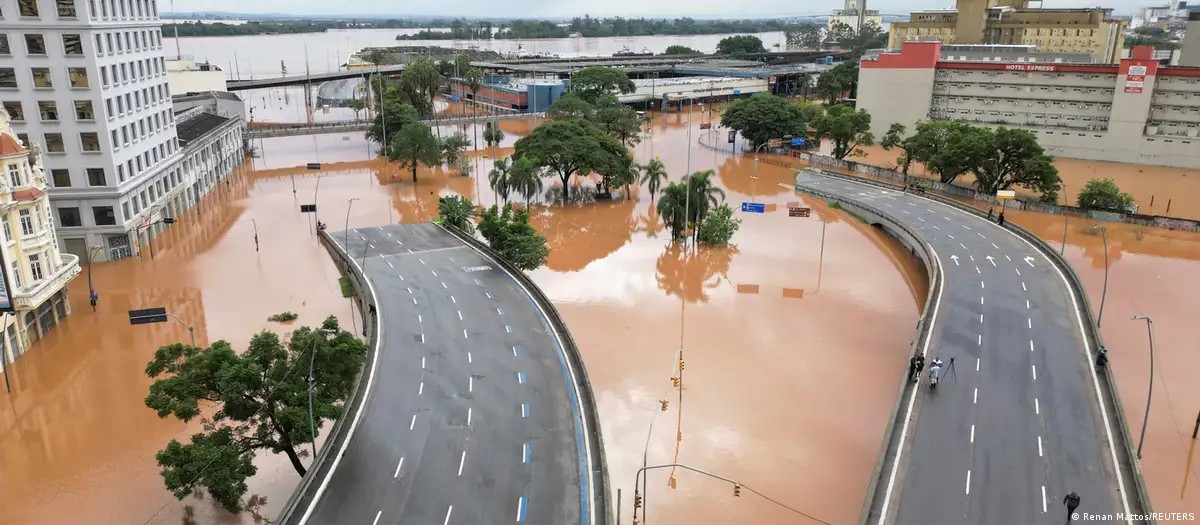
Extreme rain in Rio Grande do Sul in 2024, caused by overlapping climatic events, including El NiñoRenan Mattos/REUTERS via DWA new episode of El Niño is alread...
 Noticia
07/06/2026
Eating chocolate and chewing ice: Guide presumed dead on Everest told BBC how he survived
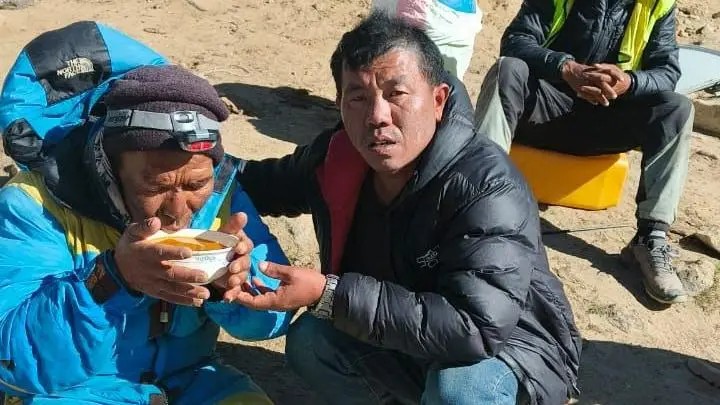
From the hospital bed where he is recovering, the guide told the BBC how he left the highest mountain in the world alive.Prabin Ranabhat/ AFP via Getty ImagesTh...
 Noticia
07/06/2026
Pay in installments via card or Pix on credit: which is the best option?
Is it worth paying in installments using a traditional credit card or using Pix for credit? The answer depends on the cost of the operation, financial planning...
 Noticia
07/06/2026
Sin tax: alcoholic beverages, soft drinks and cigarettes; government says taxation starts in 2027 to reduce consumption
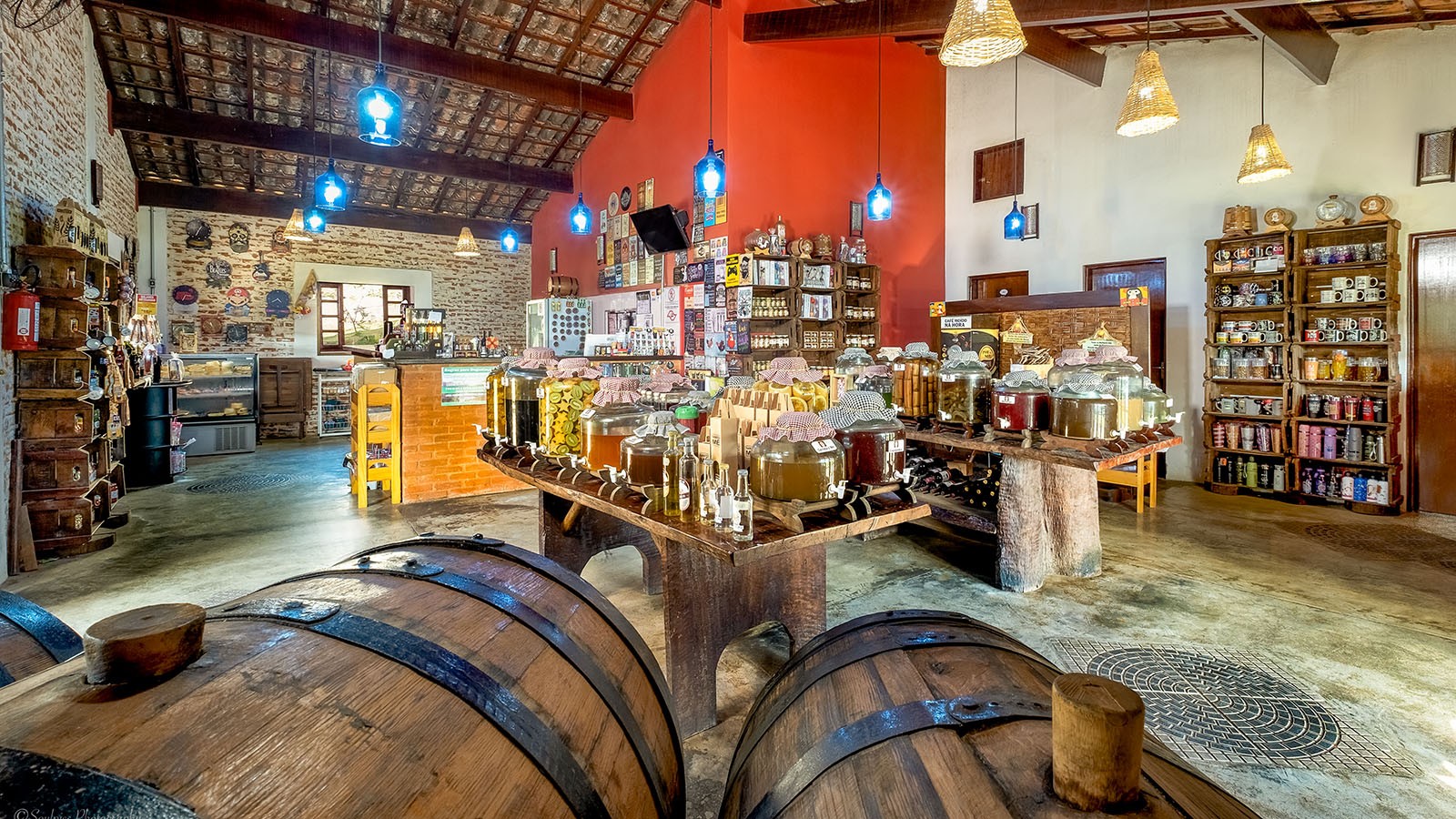
Emporium in São Paulo sells alcoholic beverages and food Credit: Soulpics photographyApproved as part of the tax reform on consumption, the selective tax, known...
Participe da conversa
Seu comentario ajuda a manter a discussao viva e ainda convida outros leitores a continuar navegando pelo portal.
Seja o primeiro a comentar esta noticia.