




Leia a noticia completa
The right-wing candidate for president of Peru, Keiko Fujimori, and the left-wing candidate, Roberto Sánchez
REUTERS/Alessandro Cinque
Peru will return to the polls this Sunday (7) for the second round of the presidential elections. Keiko Fujimori, conservative and daughter of a convicted former president, will face Roberto Sánchez, a leftist known for wearing a wide-brimmed peasant hat.
✅ Follow the g1 international news channel on WhatsApp
Polls point to an indefinite scenario and indicate that the next president should be elected by a narrow margin. The first round had already been like this: Peru took a month to know who would advance to the final dispute after a vote-by-vote count.
Both Keiko and Sánchez have a well-known past in Peruvian politics. The conservative, who finished the first round in the lead, with 17.17% of the votes, is the daughter of former president Alberto Fujimori, who spent 16 years in prison for human rights violations committed during his government.
Fujimori's legacy still divides the country. While part of the population claims that the government brought stability to Peru in the 1990s, critics say that the administration was authoritarian. The former president died in 2024, aged 86.
Now on g1
This is the fourth time that Keiko has tried to be elected president. In all disputes, she reached the second round. In previous campaigns, he sought to move away from his father's image. This time, however, he has embraced public policies adopted during his government.
Sánchez, in turn, was a minister under former president Pedro Castillo, deposed and arrested in 2022 on charges of attempted coup. He received 12.03% of the votes in the first round and surpassed third place by a margin of 21 thousand votes.
The left-wing candidate defends a new beginning for Peru, including the drafting of a new Constitution - the current one was created precisely during the Fujimori government.
See below what each of the candidates defends.
A new Keiko
The conservative candidate for President of Peru, Keiko Fujimori, on May 17, 2026
REUTERS/Alessandro Cinque
At 51 years old, Keiko Fujimori has been in politics since she was a teenager. Graduated in business administration in the United States, she was elected to Congress in 2006 with the highest vote ever recorded for a Peruvian parliamentarian.
The candidate also spent years under investigation for alleged irregular campaign financing. The case was dropped last year. Between 2018 and 2020, she was detained twice in pre-trial detention and spent almost a year and a half in jail.
Keiko has presented herself as the candidate most capable of restoring order and stability in Peru. In the campaign, she has explored the context of violence experienced by the country, marked by an increase in homicides and extortion.
Voters' concern with security has created a kind of nostalgia for Alberto Fujimori's style of government.
In the 1990s, he defeated guerrillas from the Sendero Luminoso group with support from the Armed Forces.
In this wave, Keiko promises strict security measures, tougher anti-terrorism laws and an expanded role for the military in combating violence.
She states that she will wage a "frontal war" against crime.
"We will work with financial institutions (...) to identify, track and block money from extortion", she said.
The tougher speech and alignment with some of her father's ideas were seen as the emergence of a "new Keiko". Still, the party is keen to differentiate her from Fujimori, presenting her as a more democratic candidate.
The new strategy helped Keiko reduce the high rejection rates that marked previous campaigns. According to Ipsos Peru, 40% of voters say they would not vote for her at all.
The rate is lower than that recorded in the first round, when it reached 59%.
In addition to combating violence, Keiko promises to create social programs aimed at the poorest families, including the payment of aid.
New start for Peru
The left-wing candidate for the Presidency of Peru, Roberto Sánchez, on May 17, 2026
REUTERS/Alessandro Cinque
At 57 years old, Roberto Sánchez was almost an underdog in the Peruvian elections. A few weeks before the election, he appeared in the polls with around 7% of voting intentions. The left-wing candidate grew throughout the campaign and advanced to second place in the final stretch of the count.
Raised in an indigenous family with roots in southern Peru, Sánchez says he had a modest education. In interviews, he said that he even considered following religious life and becoming a priest. He attributes the beginning of his political career to social work linked to the Church.
The candidate usually appears in public with a straw hat worn by peasants in the Andean region of Cajamarca, known for its wide brim and high crown. The accessory was worn by former president Pedro Castillo, who is in prison.
Sánchez frequently visits Castillo in prison and states that he will pardon the former president if he is elected. However, he denies that he will return power to his ally.
Among the main promises is the creation of a new Constitution. According to him, the country needs a new beginning.
The candidate defends greater state supervision over natural resources and the creation of taxes on large fortunes.
He also proposes profound changes in the fight against corruption, including more severe penalties, a lifetime ban on holding public office and a reform of the judicial system.
Sánchez still wants the Armed Forces to support the police in fighting organized crime.
"Murder, insecurity and corruption are a single problem," he said. "And the fight must be total."
He also states that, as a Catholic, he supports abortion only in cases of rape or when the pregnant woman's life is at risk. It also opposes any form of discrimination based on sexual orientation, race or religion.
The candidate is also the target of controversy. A Peruvian prosecutor accused him of making false statements in administrative proceedings and falsifying information related to campaign contributions. The Public Prosecutor's Office even requested his arrest.
Source: G1

2026 World Cup exposes billion-dollar dispute between Nike, Adidas and Puma
Brazilian team will be at the 2026 World CupGetty Images via BBCBehind the football dispute of the 2026 World Cup hide...
Cost crisis threatens delivery of MCMV housing in the North and Northeast
The gap between the values transferred by the federal government and the real cost of civil construction puts at risk...
70% of Congress supports the installation of the CPI to investigate the Master case
Requests for CPIs (Parliamentary Commissions of Inquiry) to be created to investigate the Master case have so far mobi...

Toque agora.





Historias das musicas em destaque
 Historia da musica
Theme from the Soap Opera Rei do Gado: learn to play a notable song from Brazilian music
05/06/2026
Theme from the soap opera Rei do Gado, performed by Orquestra da Terra in CifraNet, is a song that carries a strong Brazilian identity,...
 Historia da musica
For You Stay by Talita Ribeiro: learn to play a romantic song full of feeling
05/06/2026
Para Você Ficar, by Talita Ribeiro, is a romantic song that talks about vulnerability, reunion and the courage to declare a feeling eve...
 Historia da musica
Red Rubber Ball by Cyrkle: learn to play a pop classic with a light and nostalgic atmosphere
05/06/2026
Red Rubber Ball, by Cyrkle, is a song that crosses generations with its light, melodic and optimistic sound. Even though it is about fa...
 Historia da musica
It Makes It Rain by David Quinlan: learn to play a worship classic on guitar
05/06/2026
Faz Ver, by David Quinlan, is one of the best-known worship songs among Christian musicians who seek simple, intense and spiritual repe...
 Historia da musica
Bottle 600 of Netto and Henrique: learn to play a country tune full of emotion
05/06/2026
Garrafa 600, by Netto and Henrique, is one of those country songs that mix regret, longing and that bar table atmosphere that speaks di...
 Historia da musica
Heaven's Not For Saints: Learn to Play A-Ha's Hit and Understand What Makes This Song So Special
05/06/2026
A-Ha is one of the most memorable bands in the history of world pop, known for creating music that spans generations with engaging melo...
 Historia da musica
Psalm 107: learn to play Samara Lourenço in a song of gratitude
05/06/2026
Psalm 107, by Samara Lourenço, is a song of praise inspired by gratitude, God's faithfulness and the recognition of his wonders. The so...
 Historia da musica
Só Por Amor A Ti: learn to play Ana Paula Valadão in a song of dedication and faith
05/06/2026
Só Por Amor A Ti, by Ana Paula Valadão, is a profound song of praise, marked by delivery, obedience and devotion. The song talks about...
 Historia da musica
De Bem Com a Vida: learn to play Os Serranos in a happy and passionate song
05/06/2026
De Bem Com a Vida, by Os Serranos, is a light, lively and romantic song. With positive lyrics and a melody that conveys joy, the song i...
 Historia da musica
January 6, 2003: learn to play Fernando and Sorocaba on the guitar
05/06/2026
6 January 2003, by Fernando and Sorocaba, is a country song full of longing, memory and emotion. The lyrics talk about a date that was...
Mais noticias para voce
 Noticia
07/06/2026
PL and PT benches lead signatures for Master CPI requests
The PL and PT benches were the ones that signed the most requests to open a CPI (Parliamentary Commission of Inquiry) of Banco Master, according to a survey car...
 Noticia
07/06/2026
Elections in Peru: Meet the candidates who will contest the 2nd round
Peru is holding the second round of the presidential election this Sunday (7), putting conservative Keiko Fujimori and Roberto Sánchez, from the left, face to f...
 Noticia
07/06/2026
After recent tragedies, new El Niño tests Brazil's preparedness for extreme events
Extreme rain in Rio Grande do Sul in 2024, caused by overlapping climatic events, including El NiñoRenan Mattos/REUTERS via DWA new episode of El Niño is alread...
 Noticia
07/06/2026
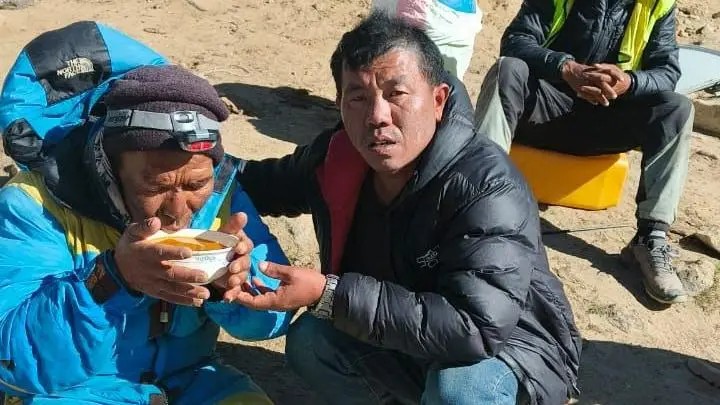
Eating chocolate and chewing ice: Guide presumed dead on Everest told BBC how he survived
From the hospital bed where he is recovering, the guide told the BBC how he left the highest mountain in the world alive.Prabin Ranabhat/ AFP via Getty ImagesTh...
 Noticia
07/06/2026
Pay in installments via card or Pix on credit: which is the best option?
Is it worth paying in installments using a traditional credit card or using Pix for credit? The answer depends on the cost of the operation, financial planning...
 Noticia
07/06/2026
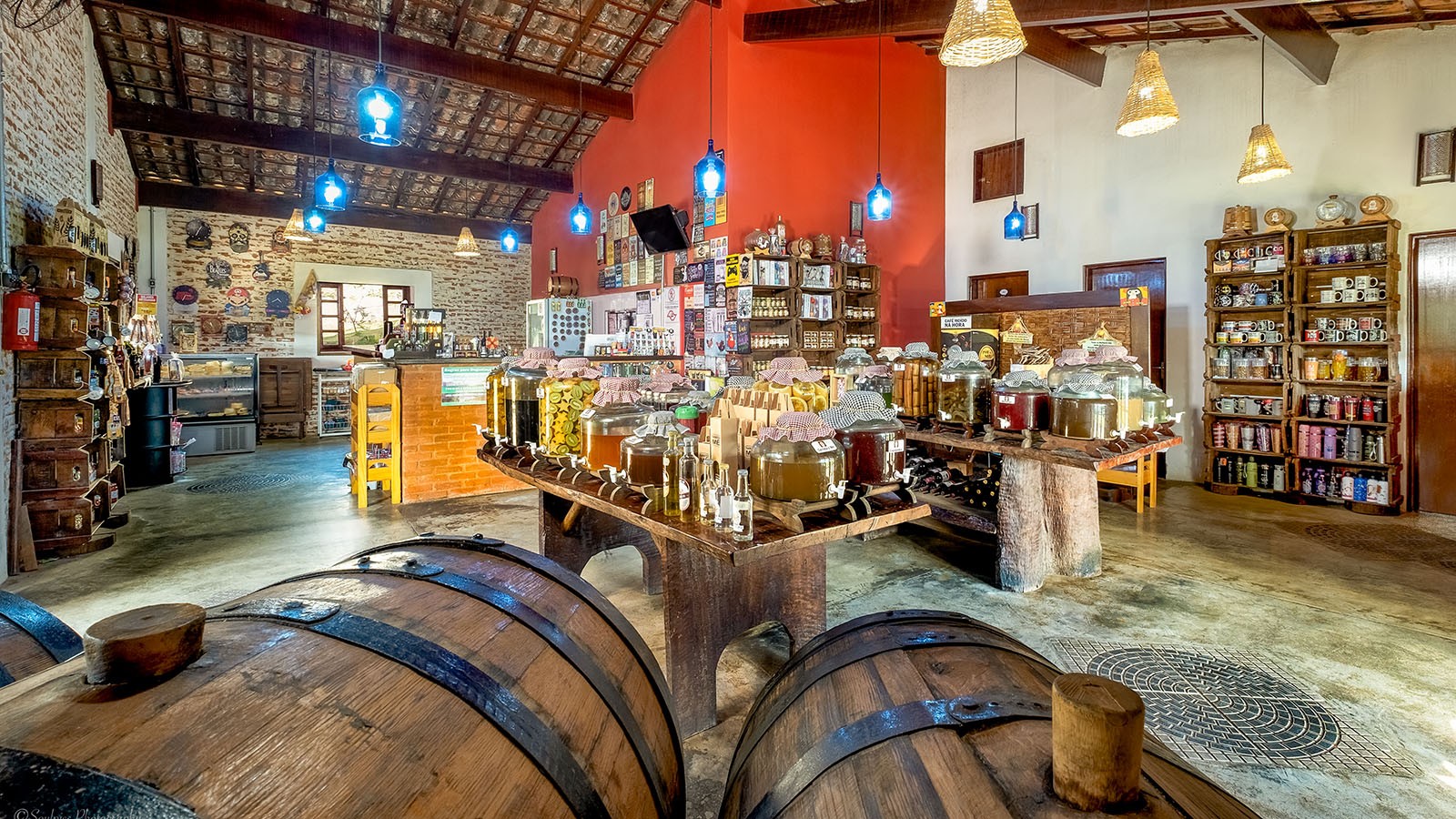
Sin tax: alcoholic beverages, soft drinks and cigarettes; government says taxation starts in 2027 to reduce consumption
Emporium in São Paulo sells alcoholic beverages and food Credit: Soulpics photographyApproved as part of the tax reform on consumption, the selective tax, known...
Participe da conversa
Seu comentario ajuda a manter a discussao viva e ainda convida outros leitores a continuar navegando pelo portal.
Seja o primeiro a comentar esta noticia.