



Leia a noticia completa
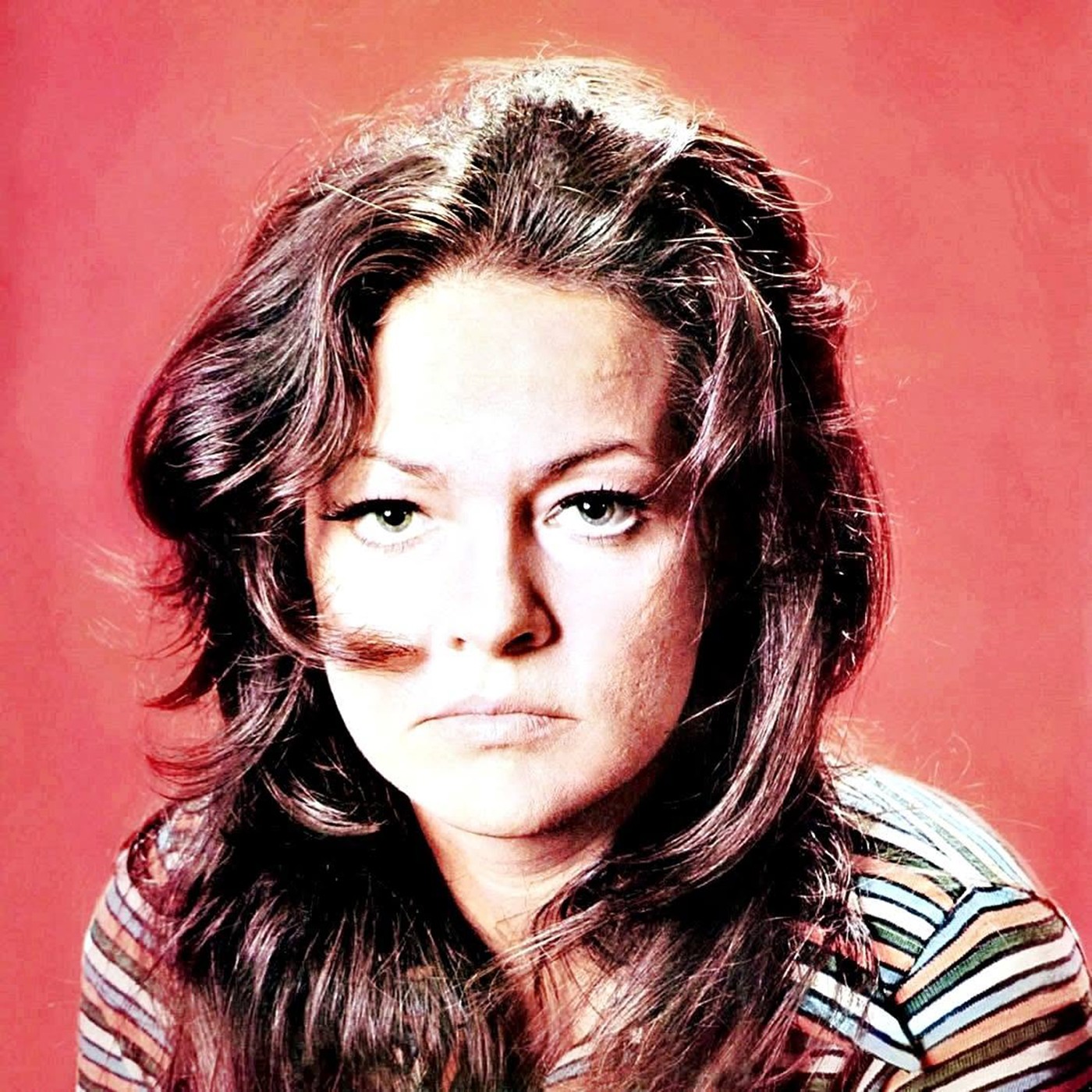
Maysa, singer born on June 6, 1936 and died on January 22, 1977, would have turned 90 today
Reproduction
♫ FIRST PERSON SINGULAR
♬ Maysa would have turned 90 today. Perhaps I would have missed the journalistic timing of the event if I hadn't come across Kiko Dinucci's post on Instagram in the morning. Yes, as unlikely as the association between the Rio singer and songwriter and Dinucci, a punk samba artist from São Paulo, was, it was because of him that I remembered the 90th anniversary of her birth. And, thinking about it, the link makes sense, as Maysa was a brilliantly punk artist.
"Samba-canção has always been a violent genre, an internal violence, of organs imploded by frustrated love", characterizes Dinucci in the post. I found the artist's definition of the musical genre that identifies Maysa Figueira Monjardim (June 6, 1936 - January 22, 1977) to be polished in the national imagination of those who lived through the era of this visceral singer. Or those who came to her after her early death, at age 40, in a car accident on the Rio-Niterói bridge.
By the way, I remember the cover of "Amiga" magazine that announced Maysa's death. "Amiga" was a magazine focused on television news, especially soap operas. But it gave covers to artists from other universes when they died violently and unexpectedly because death always sold magazines.
Maysa even did soap operas as an actress. I know she acted in "O cafona", a soap opera shown on TV Globo in 1971. But I never saw her as the actress. I remember her as a singer. And curiously, Maysa's deep and intense voice reached me through the soundtrack of a soap opera.
"My world fell", the samba-song that she had composed alone and released in 1958, returned to the charts in 1976, playing in the soap opera "Estúpido cupido", shown on TV Globo at 7pm, with phenomenal success, from August 1976 to February 1977. "My world fell" was Olga's theme, the character played by the now century-old actress Maria Della Costa (1926 - 2015).
Soon afterwards, in January 1977, when "Stupid Cupid" was still on the air, Maysa died in the aforementioned car accident. After the commotion over the singer's death, I soon forgot about Maysa, attracted by other singers who were in the spotlight in the 1970s. But then, at some point, I rediscovered Maysa and started listening to the singer. And I never forgot her.
I admire the composer, pioneer in the profession then reserved for men, solitary creator of beautiful songs such as "Ouça" (1957) and "Tarde sadness" (1956), a melancholic song that I discovered in the voice of Nana Caymmi (1941 - 2025) when Nana recorded this song for the soundtrack of the soap opera "O clone" in 2001.
First singer to record an entirely original album, in 1956, and soon a debut album, Maysa never embodied the docile and cute singer that the sexist market and world expected. On the contrary. She raised her voice, spoke swear words and defied norms, armed with those priceless green eyes, two "non-peaceful oceans", as Manuel Bandeira (1886 - 1968) poetized when talking about the rushing current in which Maysa let herself be carried away in her crazy life.
If Maysa was chordata, she would not have been able to face the four hundred family from São Paulo to become a singer in 1956, in a time of morals as rigid as the hypocrisy of society. I always admired Maysa for that. She was empowered before the adjective entered fashion and the activist dictionary.
I have also always admired Maysa for the density of the artist's interpretation. I can't imagine another singer giving voice to a samba-canção like "Franqueza" (Denis Brean and Oswaldo Guilherme, 1957) with Maysa's legitimacy and authority.
"Franqueza" appears on the same 1957 album in which the polyglot Maysa recorded a French song, "Un jour tu verras", released in 1954 in the voice of co-author Marcel Mouloudji. I lost count of how many times I heard "Un jour tu verras" with Maysa.
Anyway, Maysa lives. I resort to the cliché because it is true. Every now and then someone (re)discovers Maysa, the one who talked, drank, sang and lived too much in the mere 40 years of her life, enough time for the singer to become eternal in Brazilian music. Long live Maysa!
Source: G1

2026 World Cup exposes billion-dollar dispute between Nike, Adidas and Puma
Brazilian team will be at the 2026 World CupGetty Images via BBCBehind the football dispute of the 2026 World Cup hide...
Cost crisis threatens delivery of MCMV housing in the North and Northeast
The gap between the values transferred by the federal government and the real cost of civil construction puts at risk...
70% of Congress supports the installation of the CPI to investigate the Master case
Requests for CPIs (Parliamentary Commissions of Inquiry) to be created to investigate the Master case have so far mobi...

Toque agora.





Historias das musicas em destaque
 Historia da musica
Theme from the Soap Opera Rei do Gado: learn to play a notable song from Brazilian music
05/06/2026
Theme from the soap opera Rei do Gado, performed by Orquestra da Terra in CifraNet, is a song that carries a strong Brazilian identity,...
 Historia da musica
For You Stay by Talita Ribeiro: learn to play a romantic song full of feeling
05/06/2026
Para Você Ficar, by Talita Ribeiro, is a romantic song that talks about vulnerability, reunion and the courage to declare a feeling eve...
 Historia da musica
Red Rubber Ball by Cyrkle: learn to play a pop classic with a light and nostalgic atmosphere
05/06/2026
Red Rubber Ball, by Cyrkle, is a song that crosses generations with its light, melodic and optimistic sound. Even though it is about fa...
 Historia da musica
It Makes It Rain by David Quinlan: learn to play a worship classic on guitar
05/06/2026
Faz Ver, by David Quinlan, is one of the best-known worship songs among Christian musicians who seek simple, intense and spiritual repe...
 Historia da musica
Bottle 600 of Netto and Henrique: learn to play a country tune full of emotion
05/06/2026
Garrafa 600, by Netto and Henrique, is one of those country songs that mix regret, longing and that bar table atmosphere that speaks di...
 Historia da musica
Heaven's Not For Saints: Learn to Play A-Ha's Hit and Understand What Makes This Song So Special
05/06/2026
A-Ha is one of the most memorable bands in the history of world pop, known for creating music that spans generations with engaging melo...
 Historia da musica
Psalm 107: learn to play Samara Lourenço in a song of gratitude
05/06/2026
Psalm 107, by Samara Lourenço, is a song of praise inspired by gratitude, God's faithfulness and the recognition of his wonders. The so...
 Historia da musica
Só Por Amor A Ti: learn to play Ana Paula Valadão in a song of dedication and faith
05/06/2026
Só Por Amor A Ti, by Ana Paula Valadão, is a profound song of praise, marked by delivery, obedience and devotion. The song talks about...
 Historia da musica
De Bem Com a Vida: learn to play Os Serranos in a happy and passionate song
05/06/2026
De Bem Com a Vida, by Os Serranos, is a light, lively and romantic song. With positive lyrics and a melody that conveys joy, the song i...
 Historia da musica
January 6, 2003: learn to play Fernando and Sorocaba on the guitar
05/06/2026
6 January 2003, by Fernando and Sorocaba, is a country song full of longing, memory and emotion. The lyrics talk about a date that was...
Mais noticias para voce
 Noticia
07/06/2026
PL and PT benches lead signatures for Master CPI requests
The PL and PT benches were the ones that signed the most requests to open a CPI (Parliamentary Commission of Inquiry) of Banco Master, according to a survey car...
 Noticia
07/06/2026
Elections in Peru: Meet the candidates who will contest the 2nd round
Peru is holding the second round of the presidential election this Sunday (7), putting conservative Keiko Fujimori and Roberto Sánchez, from the left, face to f...
 Noticia
07/06/2026
After recent tragedies, new El Niño tests Brazil's preparedness for extreme events
Extreme rain in Rio Grande do Sul in 2024, caused by overlapping climatic events, including El NiñoRenan Mattos/REUTERS via DWA new episode of El Niño is alread...
 Noticia
07/06/2026
Eating chocolate and chewing ice: Guide presumed dead on Everest told BBC how he survived
From the hospital bed where he is recovering, the guide told the BBC how he left the highest mountain in the world alive.Prabin Ranabhat/ AFP via Getty ImagesTh...
 Noticia
07/06/2026
Pay in installments via card or Pix on credit: which is the best option?
Is it worth paying in installments using a traditional credit card or using Pix for credit? The answer depends on the cost of the operation, financial planning...
 Noticia
07/06/2026
Sin tax: alcoholic beverages, soft drinks and cigarettes; government says taxation starts in 2027 to reduce consumption
Emporium in São Paulo sells alcoholic beverages and food Credit: Soulpics photographyApproved as part of the tax reform on consumption, the selective tax, known...
Participe da conversa
Seu comentario ajuda a manter a discussao viva e ainda convida outros leitores a continuar navegando pelo portal.
Seja o primeiro a comentar esta noticia.