



Leia a noticia completa
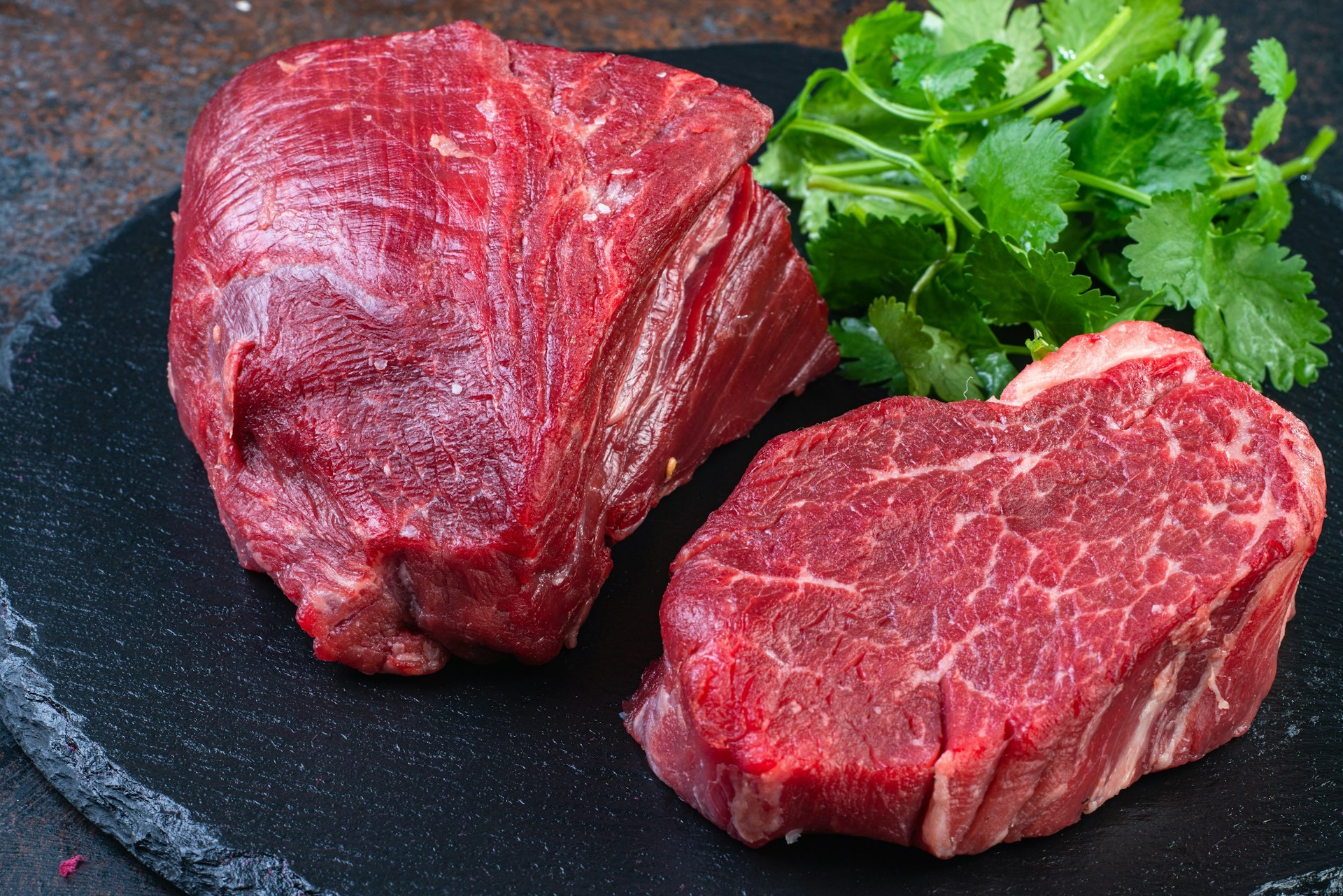
Beef
Photo by David Foodphototasty on Unsplash
The European Union (EU) published, on Friday (5), a document making official its decision to exclude Brazil from the list of countries that comply with its rules against the excessive use of antimicrobials in livestock.
➡As a result, Brazil is prohibited from exporting beef to the bloc from September 3 of this year.
According to the document, the country did not present information required by the European Commission to guarantee that Brazilian meat meets EU requirements on antimicrobials.
➡ Antimicrobials are substances used to treat and prevent infections in animals. Some of these medicines can also function as growth promoters.
In the 2024 list, Brazil appeared as authorized to export beef, chicken and horse meat, in addition to tripe, fish and honey. Now, the country appears excluded from the list of all these products.
Other Mercosur countries, such as Argentina, Paraguay and Uruguay, remain authorized to export to the EU.
Prohibition of antimicrobials
The European Union prohibits antimicrobials that are also used for animal growth, explains Leonardo Munhoz, doctor in agro-environmental law and lawyer at VBSO.
São they:
virginiamycin;
avoparcin;
cacitracin;
tylosin;
spiramycin;
avilamycin.
In April, the Ministry of Agriculture published an ordinance prohibiting the import, manufacture, marketing and use of some antimicrobials used as performance enhancers, including avoparcin and virginiamycin.
To return to the EU list, Brazil has two paths: legally restrict the use of other medicines mentioned or ensure that the exported meat does not contain these substances.
The second option is not easy to apply, as it depends on the traceability of the product, it is more time-consuming and costly, points out Munhoz.
As soon as it is proven that Brazilian livestock farming does not use these antimicrobials, the country will be able to export again, even if this happens after September.
According to the researcher, it was already known that the European Union had been planning these restrictions since 2019.
"It raises concern relevant for agriculture because the European Union is a strategic market for animal proteins and because these requirements can impact traceability, health certification and export compliance", says the researcher.
The European Union is the third largest destination for Brazilian beef in export value, after China and the United States, according to data from Agrostat, a system from the Ministry of Agriculture. For meat in general, the bloc is the second largest market, behind China.
What the sector said
At the beginning of the month, the Brazilian Association of Meat Exporting Industries (Abiec) stated that Brazil that "any impediment to exports will only occur if the guarantees and adjustments required by European authorities are not presented by the established date", that is, September 3rd.
"Brazilian beef meets the sanitary and regulatory requirements of the main international markets, with strict official controls, traceability systems and globally recognized protocols. Currently, Brazil exports to more than 170 countries, supported by one of the most robust agricultural inspection and defense systems in the world", highlighted the entity.
The Brazilian Animal Protein Association (ABPA) said that, with the support of the government, "it will provide all necessary clarifications to the European Union"
"It is important to emphasize: Brazil fully complies with all the requirements of the European Union, including the European Union. regarding antimicrobial regulations.
This is what Brazil will demonstrate to the European health authorities."
"The Brazilian sector reinforces that the country has robust health and production control structures, with strict traceability protocols, veterinary monitoring and responsible use of medicines, in line with international references on animal health and food safety", highlighted the ABPA.
The president of the Brazilian Association of Honey Exporters (Abemel), Renato Azevedo, told g1 that the measure "is something political, as there is a great pressure from Europeans to bar Brazilian products after the Mercosur agreement."
"For honey, it is completely unreasonable to talk about the risk of excessive use of antibiotics, considering that Brazil is the main producer of organic honey in the world", highlighted Azevedo.
The Brazilian Association of Fish Industries (Abepesca), in turn, said that it has not exported to the EU since 2016.
The Confederation of Agriculture and Livestock (CNA) stated that the measure is worrying, especially "considering that the Free Trade Agreement between Mercosur and the European Union came into force at the beginning of this month".
The entity will seek to participate in dialogues with European authorities to reverse the measure.
The Parliamentary Agricultural Front said that, considering the trade agreement between the two blocs, it "sees with concern any attempt to transform regulatory requirements into political or commercial barriers against the competitiveness of Brazilian production".
The bench stated that it will monitor the issue with the sector and the authorities competent authorities.
Mercosur Agreement and European Union
The EU's announcement comes after the signing of a free trade agreement with Mercosur countries, criticized by European farmers and environmentalists, especially in France.
This Tuesday's measure is not related to the agreement, says Munhoz. The list is a health regulation, that is, a requirement that any country can adopt to guarantee the safety of food consumed by the population.
The agreement came into force on May 1, in provisional in nature, and awaits a court ruling in Europe on its legality.
"Our farmers follow some of the most stringent health and antimicrobial standards in the world. Therefore, it is legitimate for imported products to be subject to the same requirements. The decision taken today demonstrates that the European control system works", said European Commissioner for Agriculture, Christophe Hansen.
Beef
Photo by David Foodphototasty on Unsplash
Source: G1

Fire in the port of Manta, Ecuador, affects at least 14 fishing boats
Fire in the port of Manta, Ecuador, hits several fishing boatsA fire hit fishing boats in the port of Manta, Ecuador,...
Brazil at the 2026 World Cup: see dates and times of the team's games
Carlo Ancelotti during the call-up of the Brazilian teamRafael Ribeiro/CBFBrazil and Egypt face each other this Saturd...
Shots injure police officers in operation to reopen highway in Bolivia
Bolivian police and armed forces cleared part of a major highway in San Julián, in the eastern region of Santa Cruz, o...

Toque agora.





Historias das musicas em destaque
 Historia da musica
Theme from the Soap Opera Rei do Gado: learn to play a notable song from Brazilian music
05/06/2026
Theme from the soap opera Rei do Gado, performed by Orquestra da Terra in CifraNet, is a song that carries a strong Brazilian identity,...
 Historia da musica
For You Stay by Talita Ribeiro: learn to play a romantic song full of feeling
05/06/2026
Para Você Ficar, by Talita Ribeiro, is a romantic song that talks about vulnerability, reunion and the courage to declare a feeling eve...
 Historia da musica
Red Rubber Ball by Cyrkle: learn to play a pop classic with a light and nostalgic atmosphere
05/06/2026
Red Rubber Ball, by Cyrkle, is a song that crosses generations with its light, melodic and optimistic sound. Even though it is about fa...
 Historia da musica
It Makes It Rain by David Quinlan: learn to play a worship classic on guitar
05/06/2026
Faz Ver, by David Quinlan, is one of the best-known worship songs among Christian musicians who seek simple, intense and spiritual repe...
 Historia da musica
Bottle 600 of Netto and Henrique: learn to play a country tune full of emotion
05/06/2026
Garrafa 600, by Netto and Henrique, is one of those country songs that mix regret, longing and that bar table atmosphere that speaks di...
 Historia da musica
Heaven's Not For Saints: Learn to Play A-Ha's Hit and Understand What Makes This Song So Special
05/06/2026
A-Ha is one of the most memorable bands in the history of world pop, known for creating music that spans generations with engaging melo...
 Historia da musica
Psalm 107: learn to play Samara Lourenço in a song of gratitude
05/06/2026
Psalm 107, by Samara Lourenço, is a song of praise inspired by gratitude, God's faithfulness and the recognition of his wonders. The so...
 Historia da musica
Só Por Amor A Ti: learn to play Ana Paula Valadão in a song of dedication and faith
05/06/2026
Só Por Amor A Ti, by Ana Paula Valadão, is a profound song of praise, marked by delivery, obedience and devotion. The song talks about...
 Historia da musica
De Bem Com a Vida: learn to play Os Serranos in a happy and passionate song
05/06/2026
De Bem Com a Vida, by Os Serranos, is a light, lively and romantic song. With positive lyrics and a melody that conveys joy, the song i...
 Historia da musica
January 6, 2003: learn to play Fernando and Sorocaba on the guitar
05/06/2026
6 January 2003, by Fernando and Sorocaba, is a country song full of longing, memory and emotion. The lyrics talk about a date that was...
Mais noticias para voce
 Noticia
06/06/2026
Dua Lipa and Callum Turner get married in a luxurious party in Italy; see details
Singer Dua Lipa, 30, and actor Callum Turner, 36, got married in a luxurious ceremony, held in Sicily, an island in Italy, this Saturday (6). The vows were made...
 Noticia
06/06/2026
Vitória defeats Fortaleza and is five-time champion of the Copa do Nordeste
Vitória became champion of the Copa do Nordeste this Saturday (6). In the return game of the final of the regional competition, in Barradão, the Bahian team bea...
 Noticia
06/06/2026
Federation of Iran accuses US of "vindictive behavior" for denied visas
The Iranian Football Federation is accusing the United States of adopting "vindictive behavior" by denying visas to members of the administrative and management...
 Noticia
06/06/2026
Defender on loan from Corinthians wins the Copa do Nordeste against Filho do Terrão
By Matheus Fiuza on 06 de June de 2026 at 18:05 Cacá, defender loaned by Corinthians to Vitória, was champion of the Copa do Nordeste this Saturday afternoon. T...
06/06/2026
Brazilian government intensifies talks with the European Union to unlock negotiations on Brazilian meat
EU vetoes meat from Brazil from September 3rdThe Ministry of Foreign Affairs (MRE) intensified conversations with representatives of the European Union in an at...
Noticia
06/06/2026
Fire in the port of Manta, Ecuador, affects at least 15 fishing boats
Fire in the port of Manta, Ecuador, hits several fishing boatsA fire hit fishing boats in the port of Manta, Ecuador, this Saturday (6). A huge column of black...
Participe da conversa
Seu comentario ajuda a manter a discussao viva e ainda convida outros leitores a continuar navegando pelo portal.
Seja o primeiro a comentar esta noticia.