




Leia a noticia completa
Why is PIX in Trump's sights?
The new attacks by the United States government against the Pix payment system this week have reignited in Brazil a debate about when and by whom the technology was created.
On Monday, the American government concluded a major commercial investigation launched against Brazil in July last year. The report had Pix as one of its targets.
"Brazil has unfairly harmed American companies that operate in competing electronic payment services, including through policies that favor its national champion, Pix", states the document.
The following day, President Luiz Inácio Lula da Silva (PT) appeared with a poster during an event in Goiás that said: "Pix is from Brazil".
"Did you see that I came in here with this banner: 'O Pix is from Brazil'. It's because yesterday, the American president, in an untimely attitude - because we were negotiating after my visit to President [Donald] Trump - in an untimely manner, announced an increase in taxes on Brazilian things to 25%, based on a lie", said Lula, who is a pre-candidate in the October presidential election.
"I told him: hey, Trump, hey man, instead of being afraid of Pix, put Pix to work in the USA. Make a Pix for us."
Cell phone shows PIX, alongside President Donald Trump
Reproduction and Alex Brandon/AP
A day later, senator and pre-candidate for President Flávio Bolsonaro (PL-RJ) displayed a poster at an event in Minas Gerais that said: "Pix is from Brazil and Bolsonaro."
In his speech, he said: "It's a lie that Pix is here. The payment method has absolutely nothing to do with all of this. Pix is Brazilian, it was created by [former] president [Jair] Bolsonaro. Pix is not taxed because President Bolsonaro determined that it should not be, it is something that revolutionized security, so this is not under discussion."
After all, how was Pix created?
How was Pix created?
The Trump government says that PIX harms competition from American companies
Pix is threatened. an instant payment system created by Central Bank technicians, which allows you to transfer money between accounts in seconds, at any time and day. It is known for being fast and secure and can be used from current, savings or prepaid accounts.
The system became popular in Brazil and has impressive numbers. According to the Central Bank, more than 170 million individuals - which is equivalent to 80% of the Brazilian population - have already made a transfer via Pix. Until October last year, more than R$3 trillion had been handled by Pix.
In January of this year alone, more than 7 billion transactions were carried out. On December 12, 2025, the system recorded its record: there were 313 million transactions in the same day.
Pix was launched in November 2020 - during the government of former president Jair Bolsonaro.
According to a 2022 Central Bank report on Pix, the first demonstration on "solutions that allow, at low cost, real-time and uninterrupted retail payments" took place in 2014, during Dilma Rousseff's government, in a report Brazilian Payment System Surveillance Report.
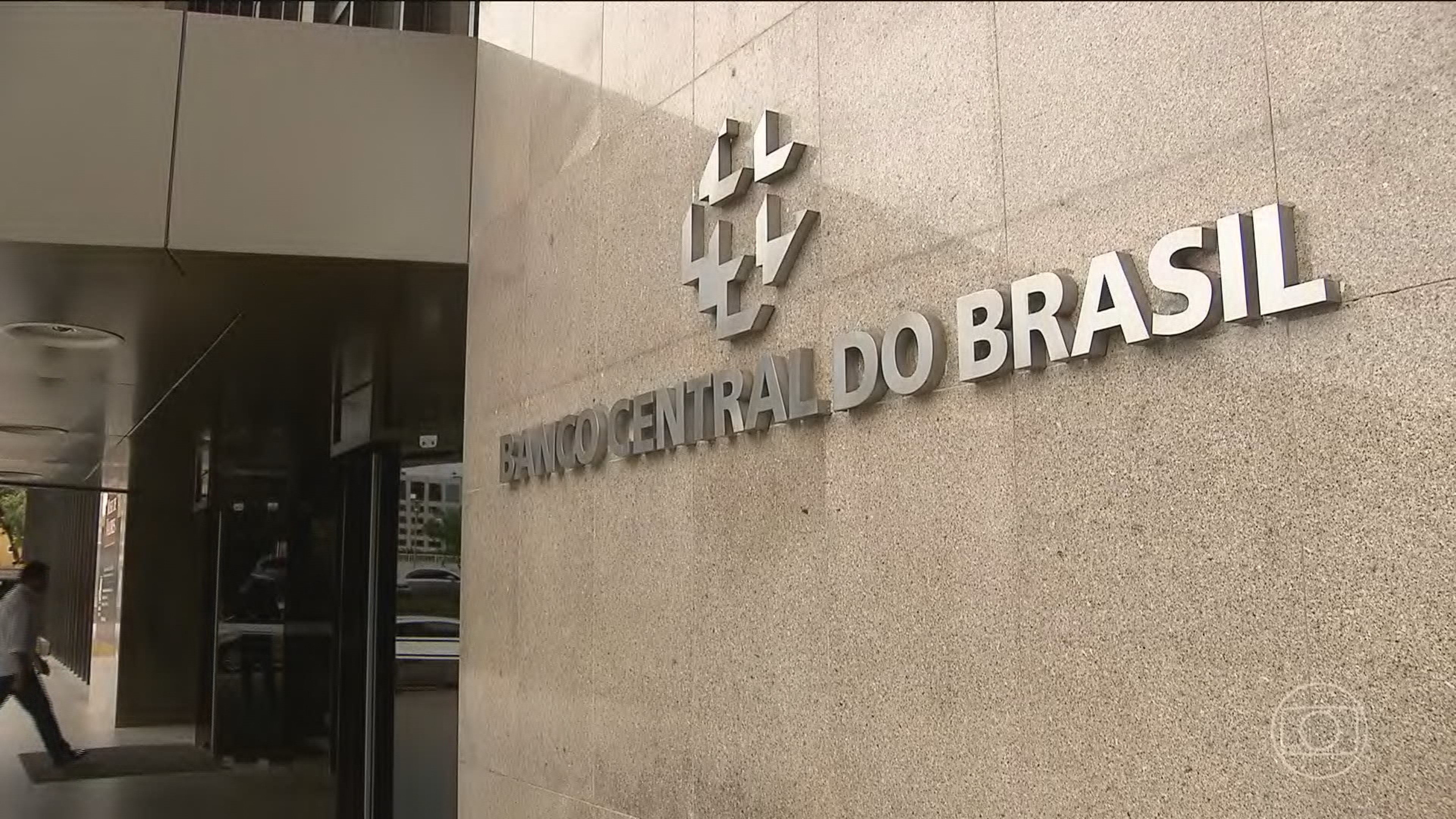
Central Bank liquidates yet another institution that belonged to the Master Group
Jornal Nacional/ Reproduction
But Pix only began to be developed by Central Bank technicians in May 2018 - still during Michel Temer's government. Between the creation of a specific working group and the launch of the system, around 31 months passed.
Ordinance 97,909 of May 2018 of the Central Bank established a working group with the objective of "contributing to the construction of a competitive, efficient, safe and inclusive instant payments ecosystem".
The name Pix was not yet used at that time. But some bases of the system were already defined in this ordinance.
"The centralized settlement infrastructure will be operated by the Central Bank of Brazil and will be available 24 hours a day, seven days a week and every day of the year.
Transactions will be settled one by one, at the moment the settlement order is accepted by the infrastructure", states the ordinance.
The working group for instant payments (GT-PI) of May 2018 was, according to the Central Bank, "the first step towards the development of instant payments in Brazil". This group was open to any party interested in the topic, and received contributions from more than 130 participants.
In December 2018, the last month of the Temer government, the Bank Central released statement 32,927 in which it established Pix's fundamental requirements that were approved by the institution's collegiate board. In this statement, the BC officially positioned itself as the leader of the Pix development and implementation process.
As of October 2019, under the Bolsonaro government, the technological infrastructure began to be developed.
The Pix brand was launched in February 2020. According to Banco Centrarl, the brand "is based on technology, transaction and pixel, and represents the transposition of the limits of the financial system, communication between market agents and the solidity of the pixel".
One year after the beginning of the development of the technological infrastructure, in October 2020, the registration of keys by initial users began. On November 3, the system began to operate in a restricted way - and on November 16 it began to operate fully.
In October 2020, a month before the official launch of the system, the then president Jair Bolsonaro expressed his ignorance of the payment method when he was congratulated by a supporter as he left Palácio da Alvorada.
At the time, Bolsonaro was confused and thought it was something related to the reduction of bureaucracy in civil aviation. Upon hearing the supporter's explanation that Pix was a new payment method created by the Central Bank, he replied: "I didn't know about it, I'm going to talk to [then BC president] Roberto this week. Campos".
Impact
Retailers offer discounts for payments via PIX, in cash or debit, which are cheaper than using credit.
Giaccomo Voccio/g1
In Brazil, the way Pix was structured benefited national companies, especially digital banks and fintechs. "Leveraging the Pix model", they developed innovation and grew, even expanding to other markets.
This ended up making the country an international reference, inspiring other countries, such as Colombia.
"Brazil is well known today for its 'neobanks' [digital banks] and for its domestic ecosystem of financial innovation," researcher Polina Kempinsky told BBC News Brasil.
Nobel Prize in Economics Paul Krugman praised Pix for being almost instantaneous and for having low transaction costs and suggested that Brazil may have invented the future of money with this system.
"Other nations can learn from Brazil's success in developing a payment system digital", wrote Krugman.
And he said that the Brazilian payments system is "in fact achieving what cryptocurrency advocates falsely claimed to be able to achieve through blockchain - low transaction costs and financial inclusion." 2025.
"Oh, and using Pix doesn't create an incentive to kidnap people and torture them until they hand over their encryption keys. So, will we have a system similar to Pix in the United States? No.
Or at least not for long."
Experts also told BBC News Brasil that Pix bothered some of the American big techs.
"We are talking here about a technological competition, where the US aims to take away any type of technology that can offer some type of innovation and that is not being managed within the country itself or that is not under US control", says Bruna Martins dos Santos, policy and advocacy manager at Witness, an international non-profit organization focused on technology and human rights, in an interview in July 2025.
What the US says about Pix
US President Donald Trump speaks to reporters after signing an executive order in the Oval Office of the White House on June 3, 2026
REUTERS/Kevin Lamarque
In the conclusion presented this week of the investigation based on so-called Section 301 of the Trade Act of 1974 - a legal instrument that allows Washington to investigate foreign practices considered unfair or discriminatory against American companies and products - the US government accuses Pix of "unfairly harming American companies".
The investigation says that the Brazilian Central Bank plays a dual role - "as regulator and owner/operator" of Pix - creating a "conflict of interests, in the absence of adequate procedural safeguards".
"The bank has acted as a regulator to disadvantage US electronic payment service providers and privilege Pix. For example, the Central Bank requires the use of Pix by financial institutions with more than 500 thousand accounts and requires that Pix be displayed on the main screen of the application of participating institutions with equal or greater prominence than any other payment or transfer functionality."
In addition, there is criticism due to the fact that the Central Bank requires that Pix be offered without fees to customers. According to the investigation's conclusion, Brazilian authorities force American companies to promote the Brazilian competitor (Pix) without compensation to the institutions Americanas.
"Brazil's acts, policies and practices related to the preferential treatment given to Pix are unfair and discriminatory. It is unfair to require competitors to offer advantages to Pix, such as availability, visibility and fee limits, and Brazil discriminates against US electronic payment service providers by granting these advantages only to its national champion in Brazil."
As a result of the investigation, which includes other criticisms of Brazil's commercial practices, the US proposes 25% tariffs on Brazilian products. These proposals will still be negotiated between governments until July 15th.
The Brazilian Federation of Banks (Febraban) defended Pix criticism from the American government. In a statement, the entity said that the investigation's conclusions were based on "incomplete information" about the objectives and functioning of the system.
"Pix is a payment infrastructure, and not a commercial product, which favors competition and the proper functioning of the payment system," said Febraban.
The entity says that Pix contributes to financial inclusion by reducing costs and expanding access to digital payment methods.
New rule that limits the use of the FGC to attract investors begins to be implemented. worth; understand what many
Scams using World Cup 2026 sticker albums trigger: find out how not to fall for it
Source: G1
Uber lays off 23% of its HR and recruitment team
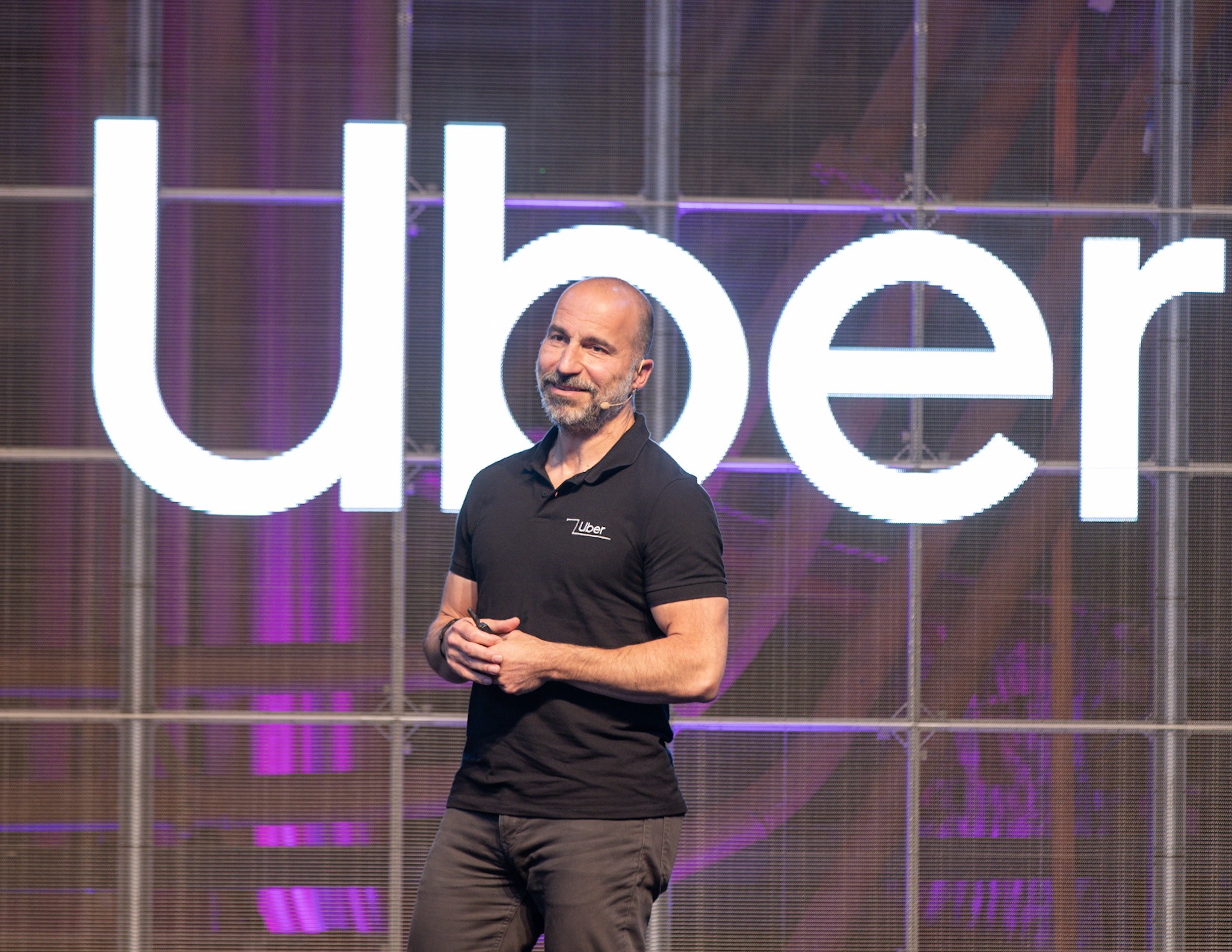
Dara Khosrowshahi, CEO of Uber, at an event in the city of São PauloDisclosure/UberUber is laying off 23% of employees...
Hezbollah demands 'global ceasefire' and Israeli withdrawal from Lebanon
A photograph taken in the Nabatieh area of southern Lebanon shows smoke rising from the site of an Israeli airstrike t...
Endrick scores a great goal in Brazilian team training in the USA
Endrick was highlighted during the Brazilian team's training session in New Jersey, in the United States. The striker...

Toque agora.




Historias das musicas em destaque
 Historia da musica
Pretty Tied Up by Guns N Roses is a rock song to train your attitude and grip on the guitar
04/06/2026
Pretty Tied Up, by Guns N Roses, is a song with the raw and striking energy of hard rock. The song carries the band's identity, with ri...
 Historia da musica
Entre Sorrisos e Choros do Iahweh is a Brazilian chord to play with feeling on the guitar
04/06/2026
Entre Sorrisos e Choros, by Iahweh, is a song marked by reflection, emotion and a message of overcoming. The song talks about time, dre...
 Historia da musica
Heaven Come by Bethel Music is a worship song to play with intensity and adoration
04/06/2026
Heaven Come, by Bethel Music, is a worship song with a strong worship atmosphere. The music grows spiritually and emotionally, creating...
 Historia da musica
My Grandma Was Pearl Hall by The Middle East is an intimate number for those looking for excitement on the guitar
04/06/2026
My Grandma Was Pearl Hall, by The Middle East, is a song with an intimate, reflective and deep atmosphere. The song combines instrument...
 Historia da musica
I'll Be Seeing You by Vaughan Monroe is a classic chord for studying sophisticated chords on the guitar
04/06/2026
I'll Be Seeing You is a classic, elegant and emotionally charged song. In Vaughan Monroe's interpretation, the song takes on a nostalgi...
 Historia da musica
Circo Marimbondo by Elza Soares is a rocking number to train rhythm and musicality
04/06/2026
Circo Marimbondo is one of those songs that has personality right from the first chords. In the striking voice of Elza Soares, the song...
 Historia da musica
An Excellent Song to Develop Your Guitar Technique
03/06/2026
Learning new songs is one of the most efficient ways to improve on the guitar, and this song stands out for offering interesting musica...
 Historia da musica
Discover the Musical Secrets of This Song and Learn on the Guitar
03/06/2026
Some songs have special characteristics that make them great learning tools for guitar players. This is one of them. Its musical constr...
 Historia da musica
Learn to Play This Song on Guitar and Evolve Your Musical Technique
03/06/2026
For those looking to expand their repertoire and develop new skills on the guitar, this song is an excellent choice. With a harmonious...
Historia da musica
Ideal Music to Expand Your Repertoire and Perfect Your Technique
03/06/2026
Anyone looking for new songs to study on the guitar will find this song an excellent opportunity for musical growth. Its harmonic const...
Mais noticias para voce
 Noticia
04/06/2026
Mari Saade accuses Stênio Garcia's ex-wife of lying in court
Actress Mari Saade, 57, used social media last Wednesday (3) to announce that she will take legal action against Clarice Piovesan, 72, ex-wife of Stênio Garcia,...
 Noticia
04/06/2026
France x Ivory Coast: time and where to watch the pre-Cup friendly
The Stade de la Beaujoire hosts the friendly match between France and Ivory Coast this Thursday afternoon (4), which serves as preparation for the World Cup. Th...
 Noticia
04/06/2026
Deadly parasite detected in cattle in the US and threatens food production
A case of New World screwworm, or screwworm fly, has been detected in a herd in South Texas, the USDA (U.S. Department of Agriculture) said. This is the first t...
 Noticia
04/06/2026
Osmar Stabile comments on security contracts and counters criticism of Corinthians' spending
- By Mirella Ramos / Central do Timão Editorial The president of Corinthians, Osmar Stabile, once again addressed the recent controversies involving security co...
 Noticia
04/06/2026
Businessman details the reason that led him to take Corinthians to court and criticizes Augusto Melo
By Meu Timão on 04 of June of 2026 at 12:29 Corinthians is experiencing a serious financial crisis, with total debt approaching R$3 billion. Among the club's cr...
 Noticia
04/06/2026
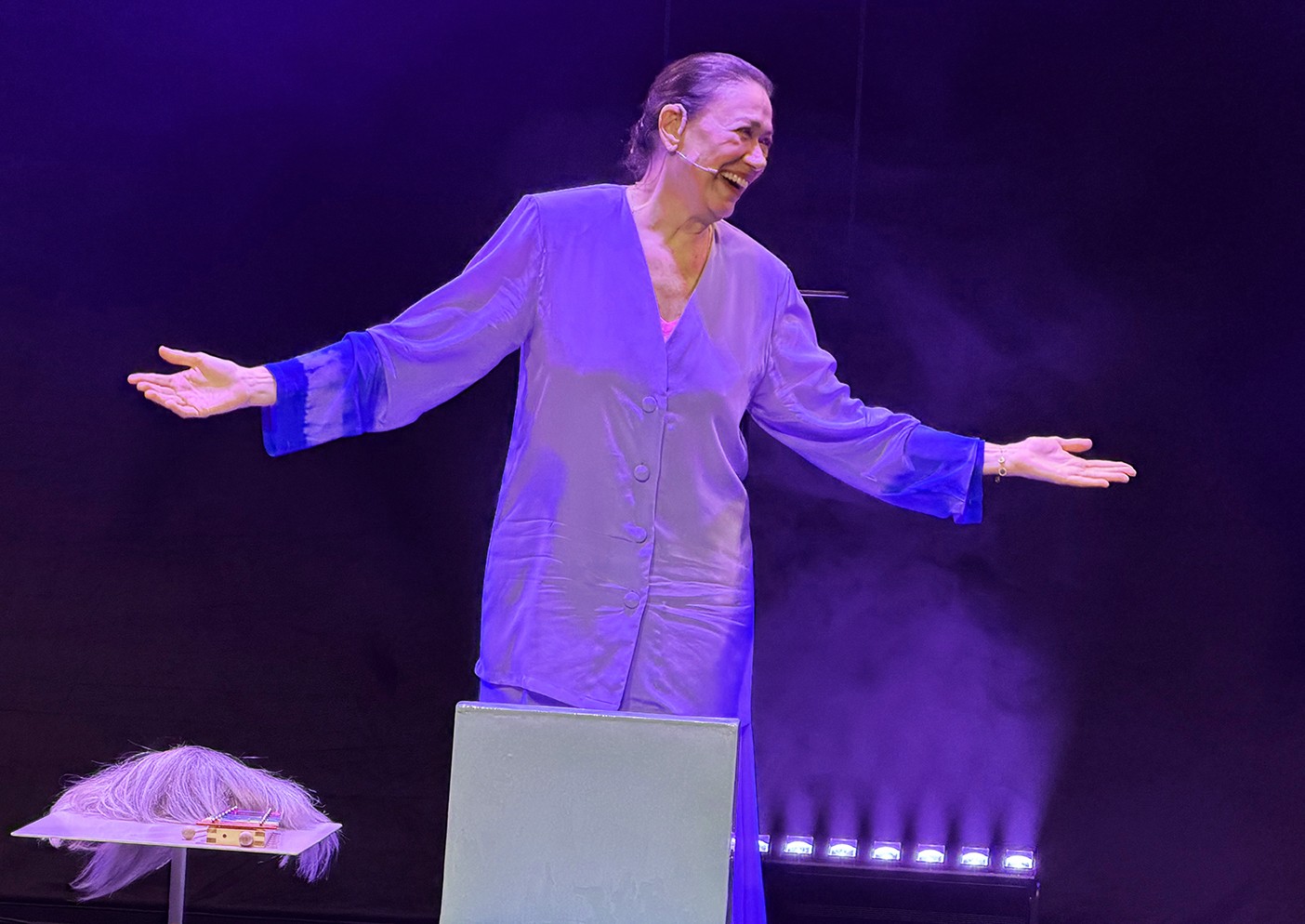
Lilia Cabral impresses the lightness of Rita Lee in 'Balada da Crazy', a play about what it's like to be human in times of departure
Lilia Cabral plays Rita Lee (1947 - 2023) in the musical monologue 'Rita Lee - Balada da crazy'Cauê Moreno / Reproduction Instagram 'Rita Lee - Balada da crazy'...
Participe da conversa
Seu comentario ajuda a manter a discussao viva e ainda convida outros leitores a continuar navegando pelo portal.
Seja o primeiro a comentar esta noticia.