



Leia a noticia completa
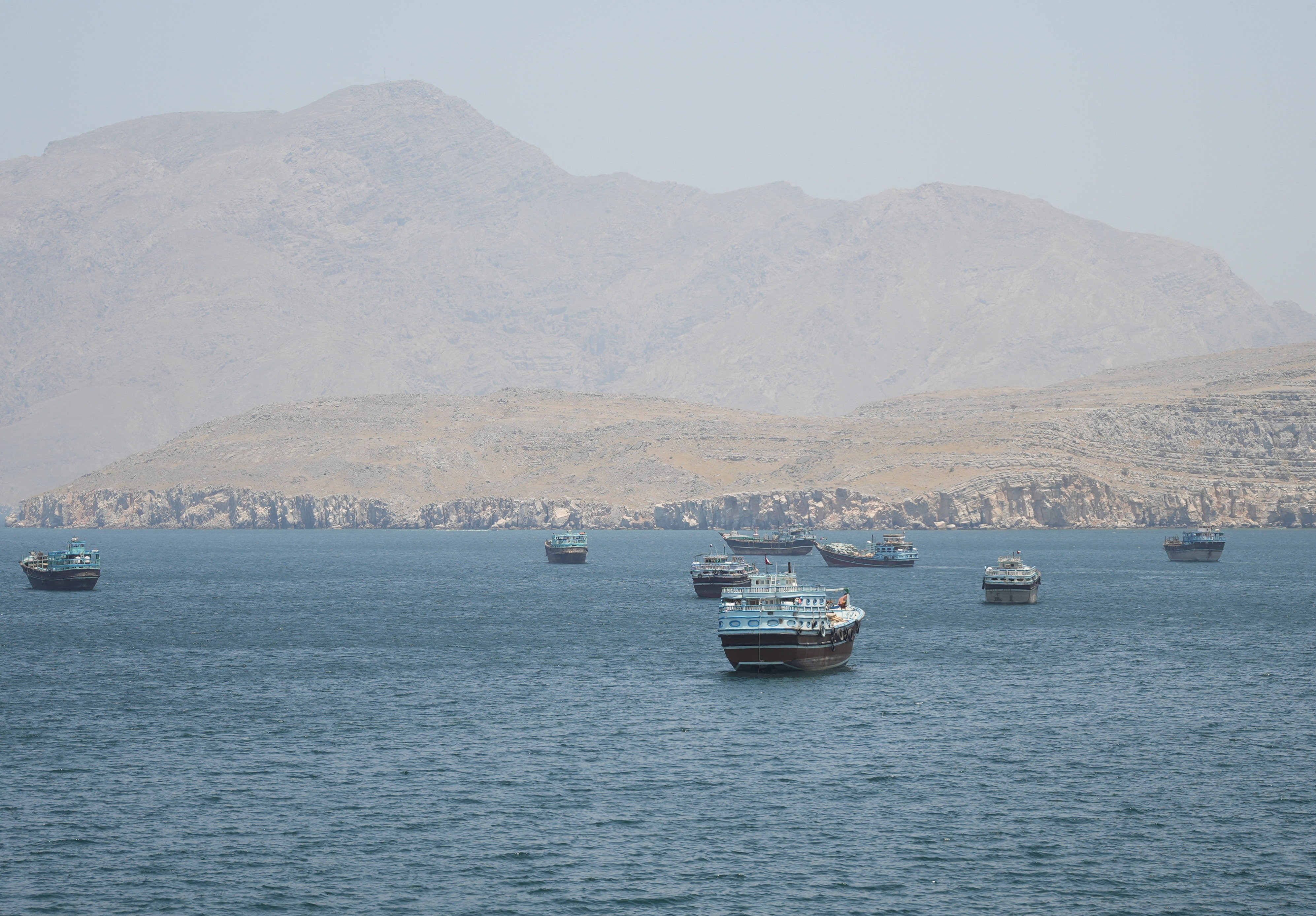
Commercial ships in the Strait of Hormuz off the coast of Oman in May 2026.
REUTERS/Stringer
The US and Israeli war against Iran is about to complete 100 days amid negotiations to end the conflict and increased pressure from the US Congress under President Donald Trump.
Many politicians, businesspeople and investors believe that a quick reopening of the Strait of Hormuz- through which it passes about 20% of the world's oil - will quickly drive down energy prices as currently-stranded oil and gas ships may finally leave the Persian Gulf.
However, oil industry executives, shipping industry leaders and economists predict otherwise: Peace will not immediately return energy markets and global supply chains to normal. They say the impacts could last for many months - or even years.
Amin Nasser, CEO of Saudi Aramco, the Gulf's biggest oil supplier, told investors last month that even if the Strait of Hormuz were reopened immediately, "it would take months for the market to rebalance." If the closure lasted a few more weeks, he added, normalization could extend into 2027.
Iran releases images of attack speedboats in the Strait of Hormuz
Traffic through the narrow waterway between Iran and Oman remains at a fraction of normal levels despite a fragile ceasefire and peace talks that have faced repeated setbacks.
Oil prices remain about 30% above pre-war levels, holding gasoline, diesel and significantly more expensive fertilizers. These additional costs are putting pressure on global inflation, disrupting supply chains and raising food prices around the world as fertilizers rise.
Irregular reopening of Hormuz
Even if a peace deal is signed, experts say shipping companies will need to regain confidence to send crews back to the region. This may require an observation period of 30 to 45 days. It will also be necessary to establish security measures, including international naval patrols, to protect against possible sporadic attacks on vessels.
Shipowners and crews remain highly cautious due to the persistence of attacks on ships in the Strait of Hormuz. In the last week alone, several vessels have been hit, according to the CEO of energy giant Chevron, Mike Wirth, who said the reopening will likely occur "intermittently." London, the world's leading marine insurance market, has seen a sharp rise in war risk premiums for crossings through the Strait of Hormuz, which remain high even after the ceasefire, which began on April 8.
Once Hormuz is deemed safe, the many oil tankers trapped inside the Persian Gulf will also need to exit safely, while other ships will depart from distant ports to pick up new shipments. "The process could take eight weeks, or even longer, depending on the timing of each stage," he warned. Crosby.
Trapped by Strait of Hormuz blockade for nearly 100 days: 'There's only one way out'
Infrastructure damage prolongs impacts
Physical damage to the Gulf region's energy infrastructure represents another major delay factor. Dozens of oil fields, pipelines, refineries and liquefied natural gas (LNG) facilities were hit. Repair costs were estimated in April at between 25 billion and 58 billion dollars, according to consultancy Rystad Energy.
The Ras Laffan complex, in Qatar, was the most affected: Iranian attacks eliminated 17% of the country's LNG capacity.
Qatari authorities warn that repairs could take three to five years.
LNG producers could also spend years resolving contractual disputes over missed deliveries, with delays that could affect transportation schedules until 2027, according to lawyers consulted by S&P Global Platts.
Other energy facilities could take weeks or months to return to operation, due to the need for rigorous safety testing, the impacts of long shutdowns and shortages of spare parts. replacement, which was already a problem before the conflict. Facilities that have been shut down since March accumulate pressure, debris and possible corrosion processes, requiring careful inspections before being brought back into operation to avoid accidents.
Trump says he must reach agreement to extend ceasefire with Iran and reopen Hormuz next week
Energy shortages could worsen
For Crosby, a "supply problem" could emerge by the summer in the northern hemisphere, as other regions of the global oil market are currently temporarily compensating for the lack of oil supply. Gulf.
Since the start of the war, the United States has increased oil production to record levels; China reduced its imports by 3.5 million barrels per day, using strategic reserves; and member countries of the International Energy Agency (IEA) also tapped their stocks. However, these measures are not sustainable.
US oil stocks are expected to reach dangerously low levels in the coming months, while China will need to resume imports, competing with the rest of the world for limited supply.
IEA director Fatih Birol warned that while pre-war oversupply helped cushion the initial shock, the oil market could enter a "critical zone" as early as July or August due to falling inventories.
"When the stocks start to run out, the only solution will be to increase prices, because only higher prices can actually reduce demand", said Crosby. According to the expert, prices could even double, warning that this path could lead to a global recession.
USA sanctions body created by Iran to charge fees in the Strait of Hormuz
Source: G1
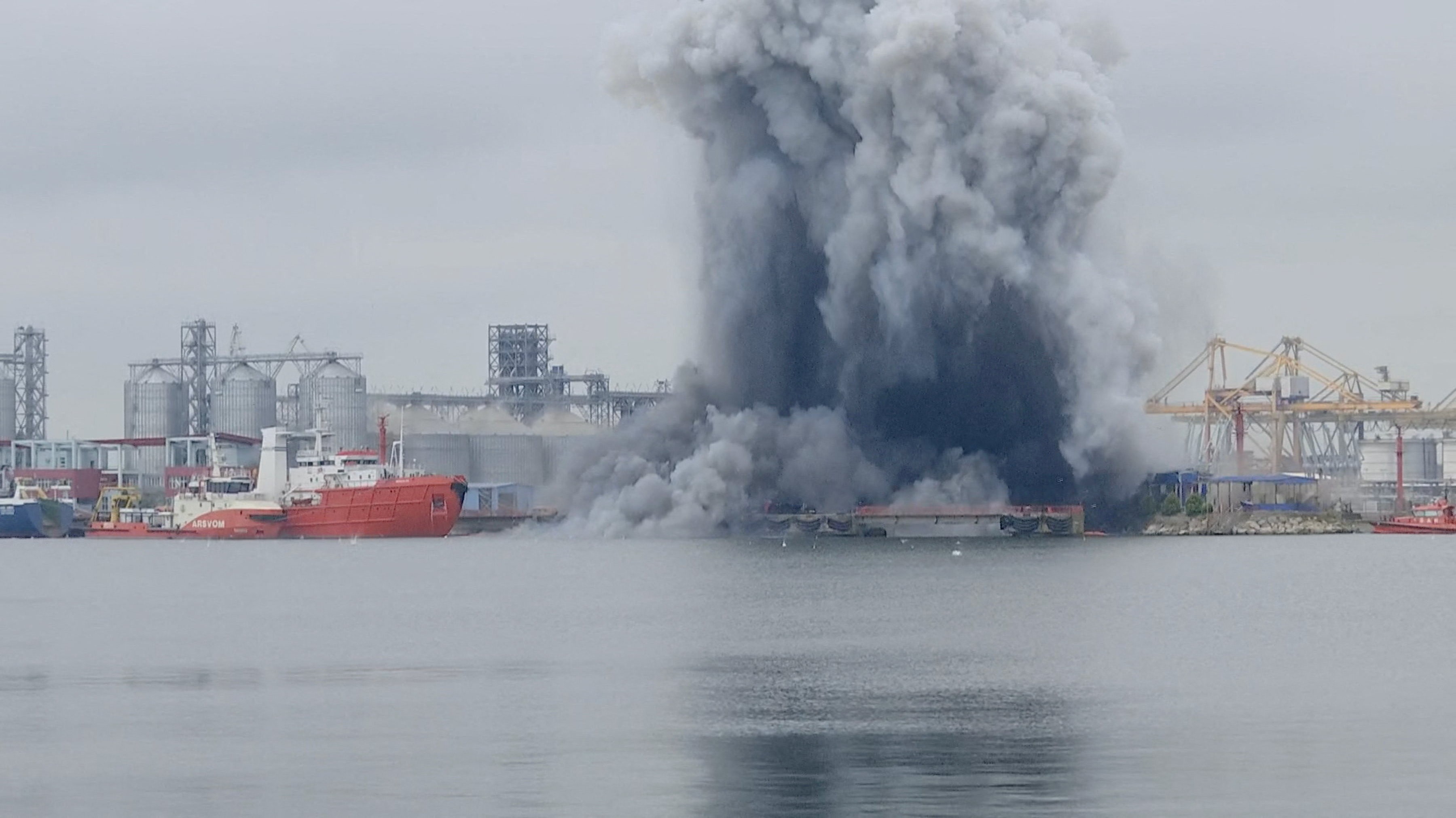
Drone explodes in port in Romania; VIDEO shows detonation
See the moment when a drone explodes in a port in RomaniaThe self-detonation of a maritime drone caused a large explos...
Israeli army orders evacuation of Lebanon residents amid attacks
The Arab spokesman for the Israel Defense Forces issued warnings this Friday (5) to residents of parts of southern Leb...
Almost 500 kg of drugs valued at R$10 million are seized in SP
Almost 500 kg of drugs hidden in a refrigerated truck were seized, on Thursday afternoon (4), on the Washington Luís h...

Toque agora.


Historias das musicas em destaque
 Historia da musica
Psalm 107: learn to play Samara Lourenço in a song of gratitude
05/06/2026
Psalm 107, by Samara Lourenço, is a song of praise inspired by gratitude, God's faithfulness and the recognition of his wonders. The so...
 Historia da musica
Só Por Amor A Ti: learn to play Ana Paula Valadão in a song of dedication and faith
05/06/2026
Só Por Amor A Ti, by Ana Paula Valadão, is a profound song of praise, marked by delivery, obedience and devotion. The song talks about...
 Historia da musica
De Bem Com a Vida: learn to play Os Serranos in a happy and passionate song
05/06/2026
De Bem Com a Vida, by Os Serranos, is a light, lively and romantic song. With positive lyrics and a melody that conveys joy, the song i...
 Historia da musica
January 6, 2003: learn to play Fernando and Sorocaba on the guitar
05/06/2026
6 January 2003, by Fernando and Sorocaba, is a country song full of longing, memory and emotion. The lyrics talk about a date that was...
 Historia da musica
Savior: learn to play Billy Bob Thornton in a strong, reflective song
05/06/2026
Savior, by Billy Bob Thornton, is a song with a deep atmosphere, reflective lyrics and a sound that combines emotion, narrative and int...
 Historia da musica
Garden In The City: learn to play Melanie with a light and expressive chord
05/06/2026
Garden In The City, by Melanie, brings a delicate, artistic atmosphere full of personality. It is an ideal song for those who like song...
 Historia da musica
Aceto Mi Derrota: learn to play the emotional song by Marco Antonio Solis
05/06/2026
Aceto Mi Derrota, by Marco Antonio Solis, is an intense, romantic song full of feeling. With an interpretation marked by the pain of pa...
 Historia da musica
It's Luxury Only: learn to play Ary Barroso's classic samba on the guitar
05/06/2026
É Luxo Só, by Ary Barroso, is one of those songs that carries the soul of Brazilian samba in every chord. With an elegant rhythm, strik...
 Historia da musica
My Immortal: Learn to Play One of Evanescence's Greatest Classics on Guitar
04/06/2026
Few songs have managed to cross generations with the same emotional intensity as "My Immortal", one of Evanescence's biggest hits. Rele...
 Historia da musica
Learn to Play This Song on Guitar and Develop New Musical Techniques
04/06/2026
Some songs have the ability to mark moments, awaken emotions and remain alive in listeners' memories for many years. When a song brings...
Mais noticias para voce
 Noticia
05/06/2026
Leonardo mocks an employee's request for time off during the World Cup: "Are you going to play?"
Leonardo has been making waves on social media after being asked by one of his employees about taking time off when the Brazilian team is on the field at the Wo...
 Noticia
05/06/2026
Corinthians visits Mirassol to start the Paulista U20 campaign
By Marcelo Nascimento on 05 de June de 2026 at 09:31 This Friday, Corinthians plays its first game for the 2026 Paulista Sub-20 Championship. The black and whit...
 Noticia
05/06/2026
Pitty Appears in a Bikini Inspired by Abaporu, Delights Fans and Goes Viral with Rare Clicks on the Beach
Pitty once again made waves on social media by sharing rare footage of a moment of rest on a deserted beach. Always discreet when it comes to her personal life,...
/https://i.s3.glbimg.com/v1/AUTH_59edd422c0c84a879bd37670ae4f538a/internal_photos/bs/2026/T/v/kIvyRKStasvz7onALFag/shakira-em-copacabana-foto-panlo-porciuncula-afp.jpg) Noticia
Noticia
05/06/2026
Shakira will be the attraction of one of the three opening ceremonies of the World Cup; Anitta will also give a presentation
Singer Shakira will perform in Mexico City at the first of the three World Cup opening ceremonies.The Colombian singer will perform "Dai Dai", the tournament's...
 Noticia
05/06/2026
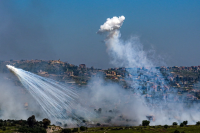
Amid uncertainty over ceasefire, 4 people die in attack in Lebanon
Israeli attacks killed four people in southern Lebanon this Friday (5), according to the Lebanese state news agency NNA. The attacks, which took place in the ci...
 Noticia
05/06/2026
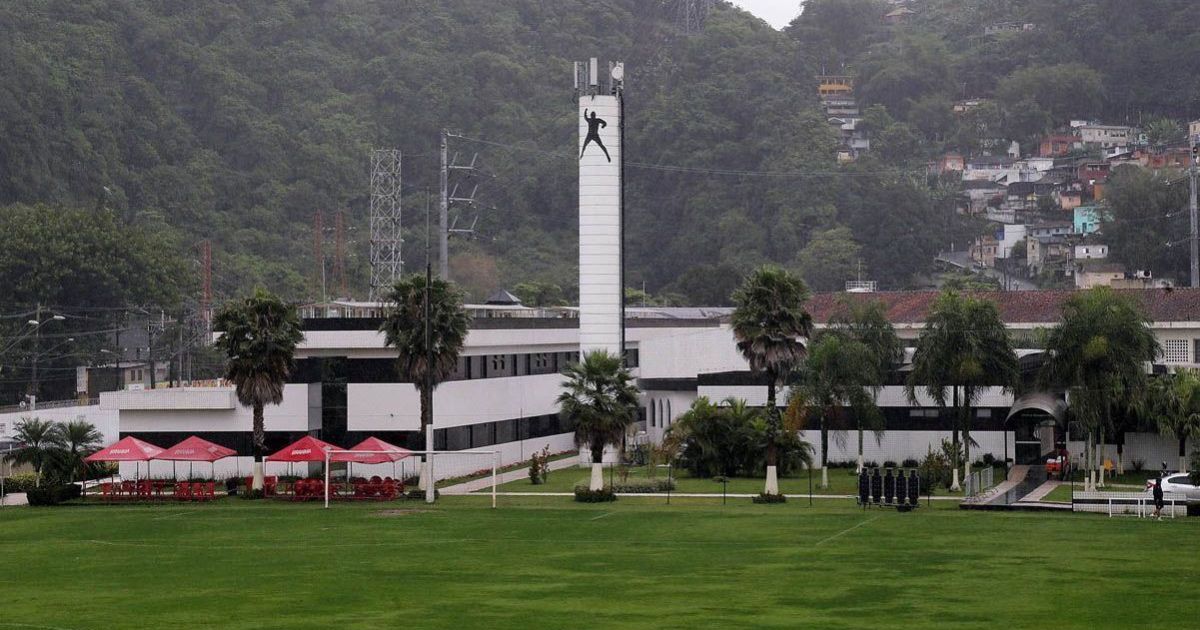
Exclusive: Santos has an agreement with a company to build a new CT at the base
Marcelo Teixeira, president of Santos, told CNN Brasil that the club has an agreement with a company to build a new Training Center for the youth category. On t...
Participe da conversa
Seu comentario ajuda a manter a discussao viva e ainda convida outros leitores a continuar navegando pelo portal.
Seja o primeiro a comentar esta noticia.