



Leia a noticia completa
What explains food waste in Brazil, while millions go hungry
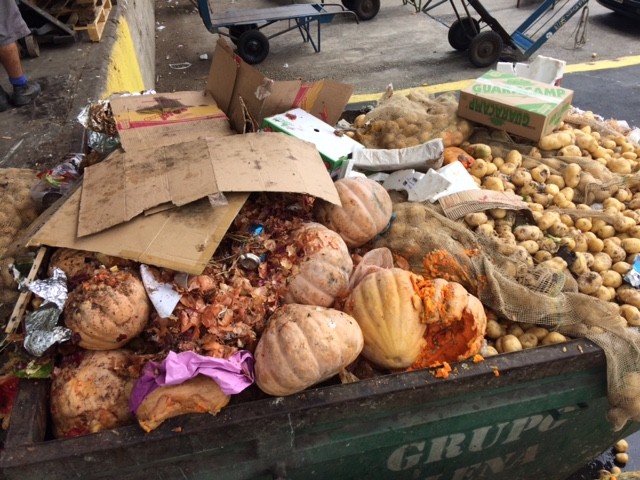
According to the United Nations (UN), the world wastes around 1 billion tons of food per year. At each stage of the chain, there are factors that help explain the problem.
In the field, waste can occur due to lack of planning and technique. In retail, due to excess supply. Already in homes, due to cultural habits.
Do you have any suggestions for reporting? Send it to g1
➡ This report is part of the sixth episode of the series "PF: Prato do Futuro", where g1 shows solutions to food production challenges in Brazil.
At the same time, almost 7 million people are hungry in Brazil, according to the Brazilian Institute of Geography and Statistics (IBGE). And the more food is wasted, the more difficult it can be to access food.
"There is a calculation of loss within retail that is already specified in the value of the products. So we pay for this loss", explains Daniela Teston, director of corporate relations at WWF-Brazil.
The expert believes that reducing waste could make basic food items cheaper, which would benefit the population in vulnerable situations.
"Despite having left the poverty line, we still have a lot of people who does not have access to adequate nutrition every day", he states.
Also according to the IBGE, 18.9 million families still face some degree of food insecurity in the country.
As if the social issue were not enough, waste also causes damage to the environment. When food decomposes, it generates greenhouse gases, such as methane. It also produces leachate, which contaminates the water table.
And the most obvious consequence cannot be ignored: financial loss. 2020 data from the World Bank shows that US$ 1 trillion in food is wasted annually.
Read also: How the arrival of the internet changed the lives of farmers in 4 years
Loss in the field
There are no official data that show how much is lost in crops, but this is a real problem, points out Gustavo Porpino, researcher at Embrapa Alimentos e Território. He also collaborates with UN initiatives.
According to the researcher, there are several factors that cause these losses.
➡ Lack of access for farmers to markets: Brazil has extremely perishable food crops, such as lettuce, strawberries and bananas. "On the day the food is ready to be harvested, the producer already has to know where it will be sold, otherwise it will be lost very quickly", he explains.
➡ Climate change: causes high temperatures, drought and excess rain in periods that are highly harmful to crops.
➡ Pests and diseases: they can decimate crops when they are not combated with adequate management.
➡ Lack of technology: innovations can help preserve food for longer, make harvesting more efficient and reduce losses in the field.
➡ Aesthetic standard: the consumer market demands that food be of certain sizes and free of stains. Therefore, when the product is born outside this standard, the producer is unlikely to be able to sell it to the markets.
➡ Production peaks: when the harvest is very good, food may end up being left over in the field. This is because the producer may not have been able to find customers for the entire supply or because the price was too low and does not compensate for the costs of harvesting.
➡ Logistics: can cause losses when done inefficiently, such as when transporting vegetables outside of refrigerated trucks. Furthermore, the boxes and packaging in which the products are transported must be suitable. For example, wooden crates can cause damage to fruit; the ideal is plastic.
Most of these problems can be solved with investments and production techniques.
g1 went to Santa Maria da Serra and Engenheiro Coelho, in the interior of São Paulo, to see how a zero-waste citrus industry works.
(see the video below)
From crops to juice: how to reduce losses in the field
Leftovers on the shelves
The United Nations Environment Program (UNEP) estimates that retail and restaurants are responsible for wasting 427 million tons of food.
Porpino, a researcher at Embrapa, explains that this can happen in supermarkets because of the aesthetic demands of consumers, but also the practice of consignment sales with farmers.
In the scheme of consignment, the retailer buys the fruits, but only remunerates the farmer if these items are sold.
"The retailer received 500 boxes of strawberries, sold 300. He will remunerate the producer for the 300. The other 200 were spoiled in the store. This will not mean a loss for the retailer, but for the producer", he explains.
Thus, the market may end up buying large volumes without considering what will be wasted.
For this reason, There are initiatives aimed at donating food left over at points of sale to institutions that redistribute it to those in need. These institutions sort and collect what is in good condition.
g1 went to Campinas (SP) and São Paulo to see how two of these institutions work: the Solidarity Institute for Food Programs (ISA) and Sesc Mesa Brasil. (see video below)
How combating food waste can help reduce hunger
What makes you throw away food
Most waste occurs at home. In 2022, there were 631 million tons, according to UNEP.
The consumer is not solely to blame. This is because, after going through harvesting and transportation, the food can reach the shelves without being in its best condition and spoil quickly at home.
"The lower middle class consumer will not buy fruits and vegetables in the most expensive supermarkets, which sell better quality fruits and vegetables. He will buy them in a cheaper place", explains Porpino.
"These fruits and vegetables, sometimes, already have a very short shelf life, because they have been transported over long distances or because they are second-rate", complete.
However, there are also cultural factors that cause food to be discarded. Maria Siqueira, co-founder and executive director of Pacto Contra a Fome, points out two:
➡ Brazilians like plenty: this means that there is not always a planning for purchases based on what is actually consumed by the family, but rather on the expectation of the volume that should be served. This way, there is plenty of food.
➡ the habit of stockpiling: due to the history of high inflation and price fluctuations in Brazil, many people keep stocks at home as a form of prevention.
"In the end, you didn't need that food. It was stock food and was forgotten at the bottom of the refrigerator, because the real demand didn't exist", he says.
Green plant turns wasted food into fertilizer
Also find out: Livestock that preserves, cocoa that reforests: how climate money reaches the countryside
Credits for this episode of the series 'PF: dish of the future'
Editorial coordination: Raphael Martins
Video editing and finishing: Cadu Lando
Narration: Vivian Souza
Reporting: Vivian Souza
Production: Vivian Souza
Script: Vivian Souza
Video coordination: Tatiana Caldas and Mariana Mendicelli
Art coordination: Julio Dubiella
Illustration and infographics: Bruna Azevedo
Photography: Cadu Lando and Kaique Mattos
Motion Design: Thalita Ferraz
More videos from the series "PF: dish of the future"
How indigenous people use government funding to set up agroforests
Without technicians, applications serve as advisors for rural producers
Source: G1

'At 10 years old, I was preparing to be a political prisoner': Marjane Satrapi, the author who portrayed Iran's transformation under the Islamic Revolution
Marjane Satrapi has died aged 56Getty Images / BBCFrench-Iranian writer and filmmaker Marjane Satrapi, who has died in...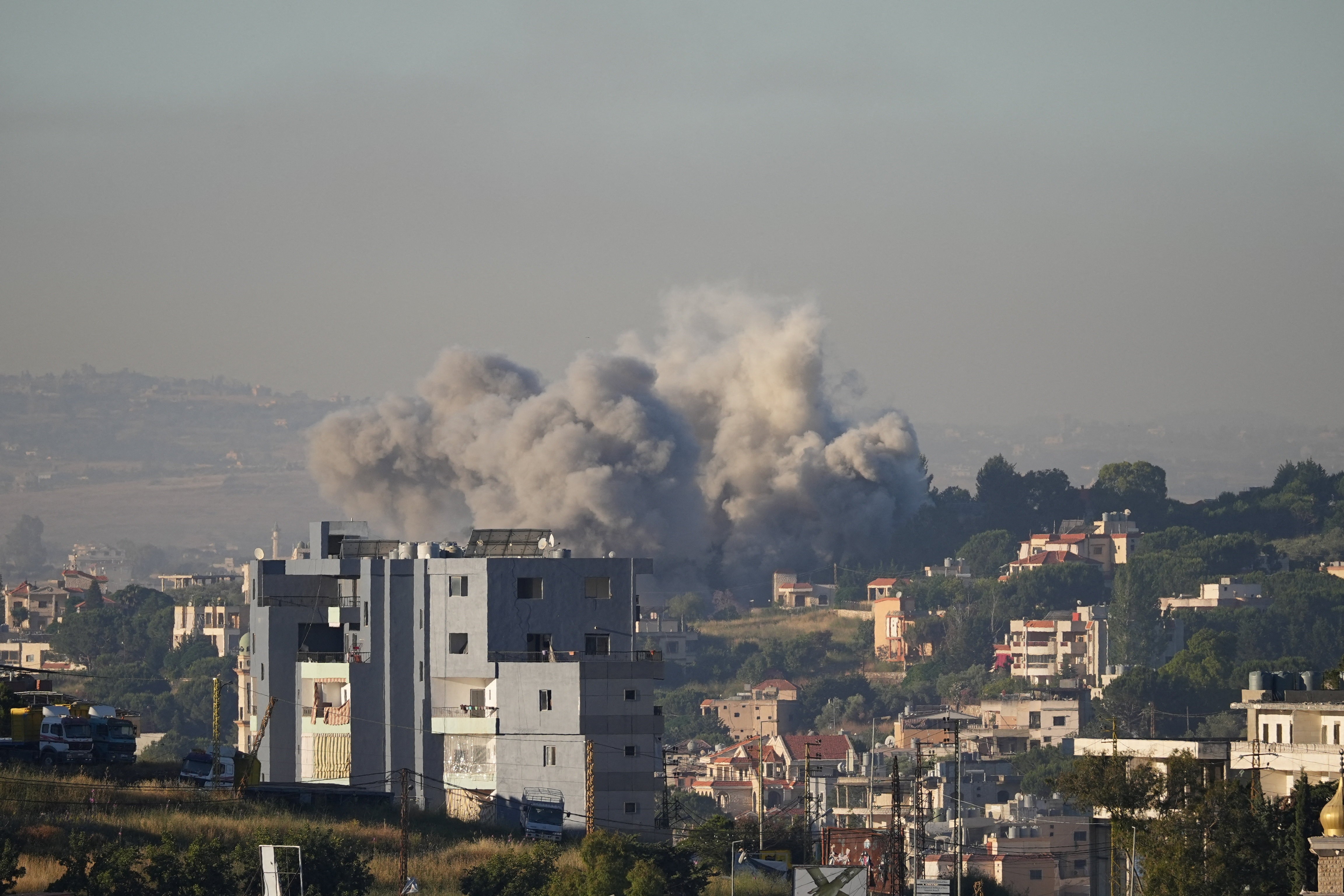
Israel continues attacks in southern Lebanon after Hezbollah rejects ceasefire agreement
Israel and Hezbollah return to exchange attacks a day after the official announcement of a new truceSeven people died...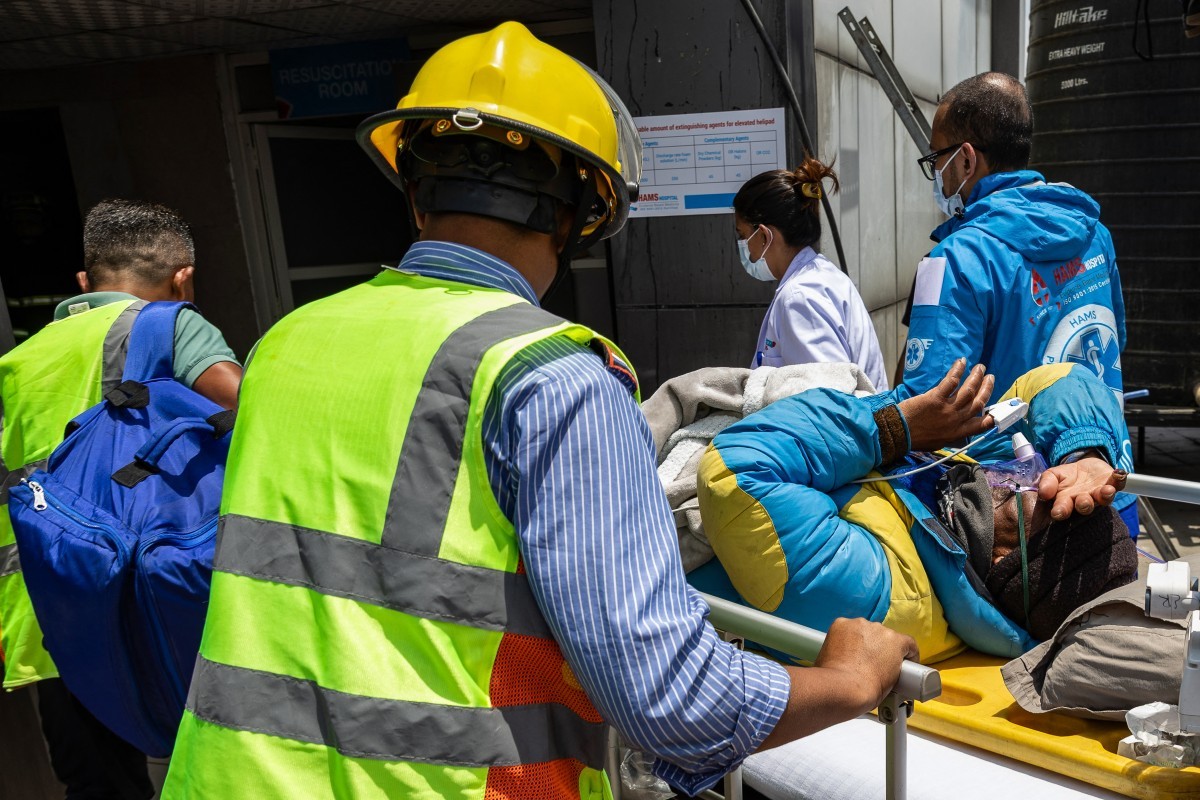
Sherpa presumed dead and 'miraculously' found 6 days after disappearing on Everest
First responders and rescue teams carry climber Dawa Sherpa upon his arrival at HAMS Hospital in Kathmandu on June 4,...

Toque agora.




Historias das musicas em destaque
 Historia da musica
Psalm 107: learn to play Samara Lourenço in a song of gratitude
05/06/2026
Psalm 107, by Samara Lourenço, is a song of praise inspired by gratitude, God's faithfulness and the recognition of his wonders. The so...
 Historia da musica
Só Por Amor A Ti: learn to play Ana Paula Valadão in a song of dedication and faith
05/06/2026
Só Por Amor A Ti, by Ana Paula Valadão, is a profound song of praise, marked by delivery, obedience and devotion. The song talks about...
 Historia da musica
De Bem Com a Vida: learn to play Os Serranos in a happy and passionate song
05/06/2026
De Bem Com a Vida, by Os Serranos, is a light, lively and romantic song. With positive lyrics and a melody that conveys joy, the song i...
 Historia da musica
January 6, 2003: learn to play Fernando and Sorocaba on the guitar
05/06/2026
6 January 2003, by Fernando and Sorocaba, is a country song full of longing, memory and emotion. The lyrics talk about a date that was...
 Historia da musica
Savior: learn to play Billy Bob Thornton in a strong, reflective song
05/06/2026
Savior, by Billy Bob Thornton, is a song with a deep atmosphere, reflective lyrics and a sound that combines emotion, narrative and int...
 Historia da musica
Garden In The City: learn to play Melanie with a light and expressive chord
05/06/2026
Garden In The City, by Melanie, brings a delicate, artistic atmosphere full of personality. It is an ideal song for those who like song...
 Historia da musica
Aceto Mi Derrota: learn to play the emotional song by Marco Antonio Solis
05/06/2026
Aceto Mi Derrota, by Marco Antonio Solis, is an intense, romantic song full of feeling. With an interpretation marked by the pain of pa...
 Historia da musica
It's Luxury Only: learn to play Ary Barroso's classic samba on the guitar
05/06/2026
É Luxo Só, by Ary Barroso, is one of those songs that carries the soul of Brazilian samba in every chord. With an elegant rhythm, strik...
 Historia da musica
My Immortal: Learn to Play One of Evanescence's Greatest Classics on Guitar
04/06/2026
Few songs have managed to cross generations with the same emotional intensity as "My Immortal", one of Evanescence's biggest hits. Rele...
 Historia da musica
Learn to Play This Song on Guitar and Develop New Musical Techniques
04/06/2026
Some songs have the ability to mark moments, awaken emotions and remain alive in listeners' memories for many years. When a song brings...
Mais noticias para voce
 Noticia
05/06/2026
Putin says Russia is in contact with the US regarding Cuba
President Vladimir Putin stated that Russia had been in contact with the United States regarding Cuba. The Caribbean island is suffering from a US oil blockade,...
 Noticia
05/06/2026
European stocks advance, but gains are limited by technology shares
European stock markets rise slightly this Friday morning (5) with modest gains in banks and the automotive sector, but the advance is limited by the fall in sem...
 Noticia
05/06/2026
Asian stock markets close lower after shares linked to AI fall in NY
Asian stock markets closed lower this Friday (5), as the fall in shares linked to artificial intelligence on Wall Street the day before weighed on the region's...
 Noticia
05/06/2026
Eurozone GDP falls 0.2% in the 1st quarter of 2026
The GDP (Gross Domestic Product) of the euro zone shrank 0.2% in the first quarter of 2026 compared to the previous three months, according to the final reading...
Noticia
05/06/2026
Psalm 107: learn to play Samara Lourenço in a song of gratitude
Psalm 107, by Samara Lourenço, is a song of praise inspired by gratitude, God's faithfulness and the recognition of his wonders. The song brings a strong messag...
Noticia
05/06/2026
Só Por Amor A Ti: learn to play Ana Paula Valadão in a song of dedication and faith
Só Por Amor A Ti, by Ana Paula Valadão, is a profound song of praise, marked by delivery, obedience and devotion. The song talks about serving God with love and...
Participe da conversa
Seu comentario ajuda a manter a discussao viva e ainda convida outros leitores a continuar navegando pelo portal.
Seja o primeiro a comentar esta noticia.