





Leia a noticia completa
China said on Wednesday (3) that it opposes all forms of "unilateral" tariffs and denied allegations of forced labor, after the United States proposed additional tariffs on imports from 60 economies, citing failures to control trade in goods made with forced labor.
"There is no so-called forced labor in China, and we oppose using it as an excuse for political manipulation," said Mao Ning, spokesperson for China's Ministry of Foreign Affairs, at a press conference.
As shown by CNN, the US proposed on Tuesday (2) the imposition of additional tariffs of 10% or 12.5% on imports from 60 economies, including China, after concluding that its inability to restrict this trade in goods is unjustified and restricts American trade.

UFOs land in the sea in Paraná in another record after a case in a rural area
A video recorded in the early hours of last Sunday (31) recorded unusual lights over the sea in Pontal do Paraná (PR)....
Brazilian Nickel rejects barrier to Asian nickel and advocates free trade
Amid the debate on trade defense measures against Asian products, Brazilian Nickel defends that Brazil does not adopt...
Sthefany Brito announces the birth of her third child
Actress Sthefany Brito, 38, announced the birth of her third child this Wednesday (3). An Instagram post reveals that...
In the statement, the American government states that these countries fail to impose and effectively enforce a ban on the import of goods produced with forced labor.
The USTR (United States Trade Representative) proposes additional tariffs on all products from the economies investigated.
For economies that impose a ban on the import of products derived from forced labor, that have committed to imposing and enforcing such a ban, or for economies that have imposed a partial regime with the effect of preventing the import of such products, the USTR proposes a 10% additional tariff rate. This is the case of Canada, Ecuador, Indonesia, Mexico, Pakistan and the European Union.
Toque agora.



For all other economies, it proposes a rate of 12.5% for additional fees. This group is made up of Brazil, Argentina, China, Japan, United Kingdom, Russia, among other countries.
In the report, the USTR says that China has not effectively implemented or enforced a ban on the import of products related to forced labor. "We find that the lack of implementation and effective enforcement of this ban is unreasonable."
According to the United States government, the results of this investigation indicate that China's acts, policies and practices related to the lack of implementation and effective enforcement of a ban on the import of products associated with forced labor are unreasonable and impose burdens on or restrict trade with the United States.
"The failure of our most important trading partners to address the import of goods produced with forced labor is unacceptable. This creates a dynamic in which American workers are forced to compete globally on an unequal playing field," said Jamieson Greer, United States Trade Representative.
"We will no longer tolerate this disparity. Some trading partners have already taken initial steps to prevent the import of goods produced with forced labor, including through the USMCA and commitments in Reciprocal Trade Agreements. However, each of our trading partners must do more to ensure that trade does not encourage and perpetuate forced labor globally." said Greer.
*with information from Reuters
Source: CNN
Historias das musicas em destaque
 Historia da musica
An Excellent Song to Develop Your Guitar Technique
03/06/2026
Learning new songs is one of the most efficient ways to improve on the guitar, and this song stands out for offering interesting musica...
 Historia da musica
Discover the Musical Secrets of This Song and Learn on the Guitar
03/06/2026
Some songs have special characteristics that make them great learning tools for guitar players. This is one of them. Its musical constr...
 Historia da musica
Learn to Play This Song on Guitar and Evolve Your Musical Technique
03/06/2026
For those looking to expand their repertoire and develop new skills on the guitar, this song is an excellent choice. With a harmonious...
 Historia da musica
Ideal Music to Expand Your Repertoire and Perfect Your Technique
03/06/2026
Anyone looking for new songs to study on the guitar will find this song an excellent opportunity for musical growth. Its harmonic const...
 Historia da musica
Discover the Musical Secrets of This Song and Evolve on the Guitar
03/06/2026
Learning a new song is one of the most efficient ways to develop guitar skills, and this song offers a complete experience for anyone w...
 Historia da musica
Learn to Play This Song and Develop New Techniques on the Guitar
03/06/2026
For those looking to improve on the guitar and expand their musical repertoire, this song represents an excellent learning opportunity....
 Historia da musica
How to Play O Escudo on Guitar and Learn One of the Most Remarkable Songs in Gospel Music
03/06/2026
Among the songs that have had a profound impact on the Brazilian Christian music scene, "O Escudo" occupies a special place in the hear...
 Historia da musica
Learn to Play Psalm 137 on Guitar and Understand the Beauty of This Song of Faith
03/06/2026
For those looking for inspiring songs to play on the guitar, Psalm 137 is an excellent choice. The song features an engaging melody and...
 Historia da musica
Missing Cezar and Paulinho is a country number to play with emotion
03/06/2026
Deadly missing you, Cezar and Paulinho, is a country song full of feeling, longing and romanticism. The song has that traditional atmos...
 Historia da musica
Trust In Me by Dinah Washington is an elegant chord to study on the guitar
03/06/2026
Trust In Me, performed by Dinah Washington, is a sophisticated song, marked by emotion, softness and a strong vocal presence. It's the...
Mais noticias para voce
 Noticia
03/06/2026
Luxury hotel in SP is target of action seeking R$20 million for racism
The organization Educafro filed a lawsuit, this Wednesday (3), against the luxury hotel Tivoli Mofarrej, located in an upscale region of the capital of São Paul...
 Noticia
03/06/2026
Corinthians knows details of the Conmebol Libertadores round of 16
- By Fabio Luigi / Central do Timão Editorial On Wednesday night (3), Conmebol released the details of the games for the round of 16 of the 2026 Conmebol Libert...
 Noticia
03/06/2026
Corinthians' number 10 comes off the bench and plays in the second half of the Netherlands' defeat in a friendly aimed at the World Cup
- By Fabio Luigi / Central do Timão Editorial The Netherlands/Netherlands national team entered the field this Wednesday afternoon (3), at the Feyenoord Stadium...
 Noticia
03/06/2026
Corinthians rebuts father of promise from Corinthians base after announcement of departure
By Matheus Fiuza on 03 de June de 2026 at 20:20 Corinthians released, this Wednesday, an official note in response to the statements made by Flávio Flora, fathe...
 Noticia
03/06/2026
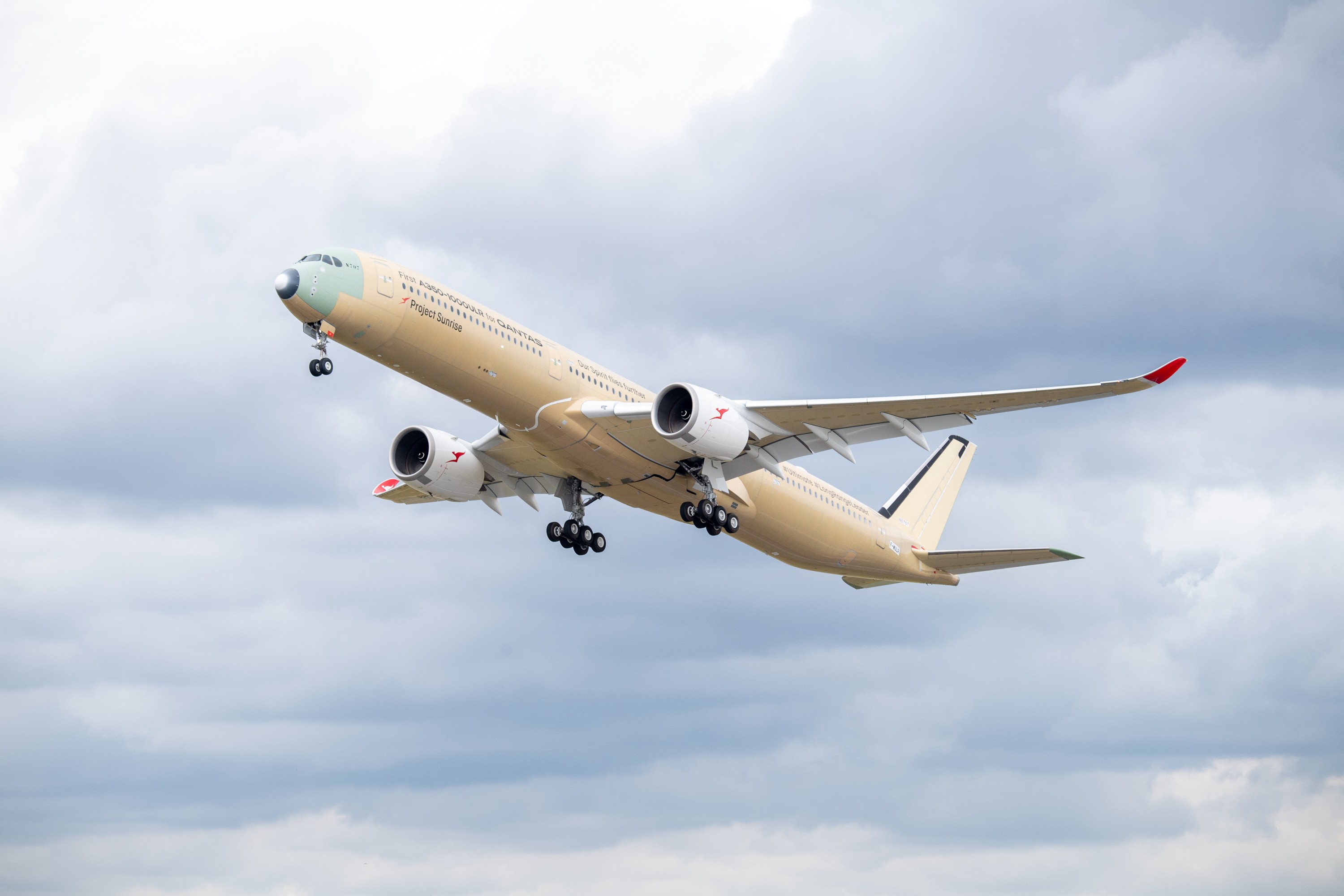
Plane that will fly the longest route in the world completes first test flight; see how the trip was
What it was like for the first test flight of the plane that will take the longest route in the worldThe European aeronautical manufacturer Airbus concluded on...
 Noticia
03/06/2026
US House passes bill to limit Trump's war powers
The United States House approved this Wednesday (3) a resolution to limit President Donald Trump's powers over the war in Iran. Democrats have been forcing vote...
Participe da conversa
Seu comentario ajuda a manter a discussao viva e ainda convida outros leitores a continuar navegando pelo portal.
Seja o primeiro a comentar esta noticia.