



Leia a noticia completa
USA proposes 25% tariff on Brazilian goods to punish 'unreasonable' practices
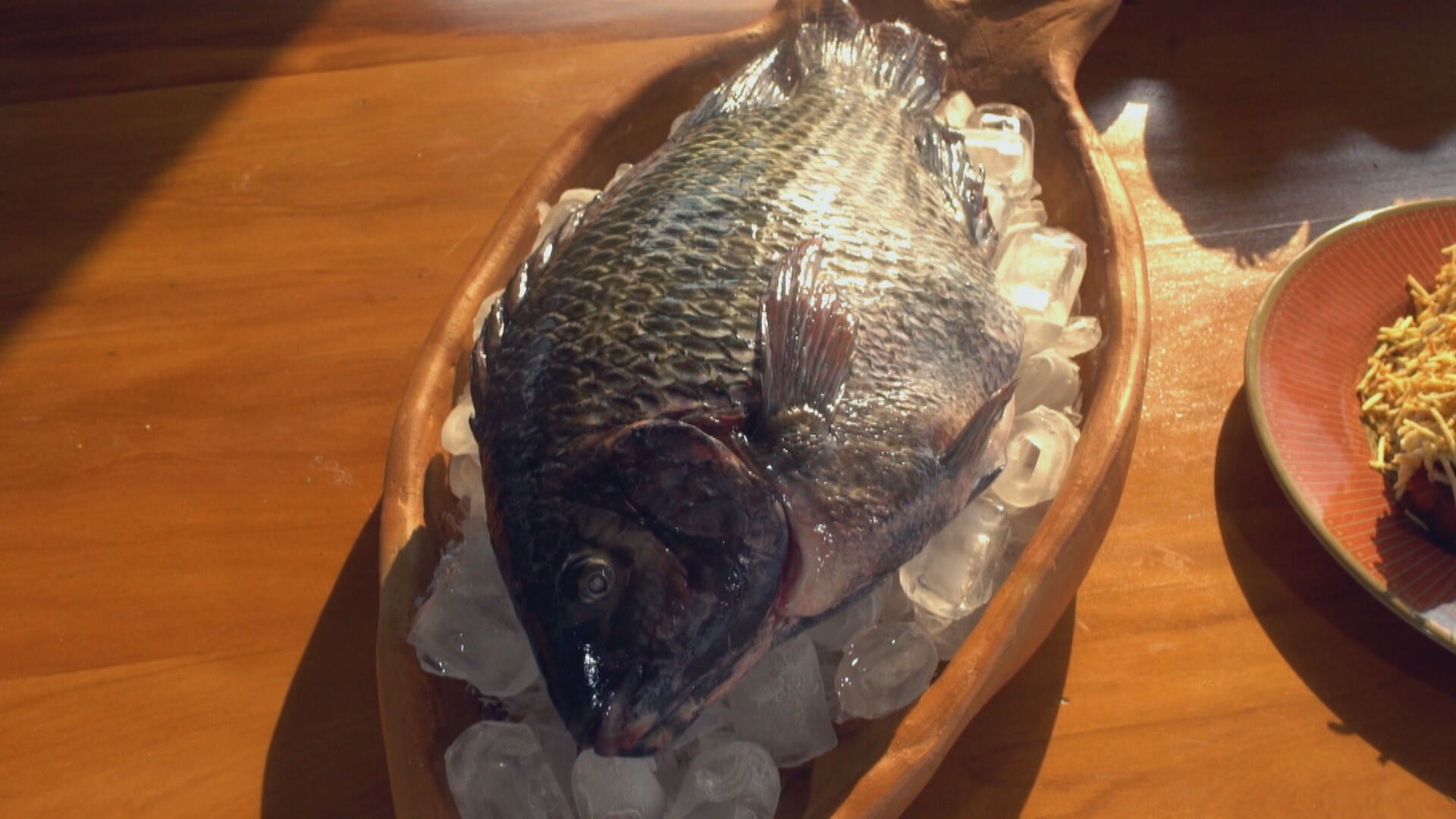
Tilapia was left out of the list of exceptions to the 25% tariff proposed by the Office of the United States Trade Representative (USTR) for Brazilian products. The measure was announced on Monday (1st) and could come into force on July 15th.
➡ But, after all, could the Brazilian consumer be affected? Not directly. The tariff will be paid by US companies that buy Brazilian products.
Do you have any suggestions for a story? Send it to g1
Tilapia is the most exported Brazilian fish, and the USA is the destination for 90% of the volume sold abroad. Dependence on the American market is much greater than that observed in sectors such as meat and coffee, which have other relevant buyers.
Despite this dependence, exports represent only around 2.1% of all Brazilian tilapia production, according to data from the Foreign Trade Secretariat.
Therefore, even if exports decline and more fish becomes available on the domestic market, the volume would not be enough to cause a significant drop in prices, says Matheus Do Ville Liasch, a market analyst for tilapia at the Center for Advanced Studies in Applied Economics (Cepea/USP).
According to the researcher, Brazilian exports were growing and gaining relevance. Still, they remain small in relation to the domestic market and do not have the strength to change prices significantly.
For Francisco Medeiros, president of the Brazilian Fish Farming Association (PeixeBR), there may be some drop in prices in regional markets, but not on a national scale.
The new tariff was proposed after the conclusion of an investigation opened in July 2025 by order of President Donald Trump, based on Section 301 of the 1974 Trade Law.
Second According to the document, the measure is justified because a series of acts, policies and practices of the Brazilian government would be "unreasonable" and would "encumber or restrict" US trade.
See which Brazilian products should be left out of the 25% tax proposed by the US
Where does what I eat come from: tilapia
Why wasn't tilapia exempt?
Unlike products such as meat and coffee, on which the US depends to a greater extent, tilapia has other suppliers relevant to the American market, says Liasch. According to data from Cepea, Brazil ranks fourth among exporters to the USA, behind China, Colombia and Indonesia.
In addition, around 80% of the American tilapia market is made up of frozen fillet, while Brazil exports mainly fresh fillet, according to Medeiros.
Last year, Trump had already imposed two tariffs that were annulled by the US Supreme Court in February 2026.
the so-called 10% reciprocal tariffs, announced in April last year.
the 40% surcharge on several Brazilian items, announced by Trump in a letter sent to President Lula, in July 2025.
According to the president of PeixeBR, these tariffs reduced the profitability of tilapia producers, who absorbed part of the cost to avoid a drop in sales. Even so, Brazilian exports to the USA fell 43.7% in the second half of 2025.
In the same period, Brazil increased tilapia exports to Canada. But Liasch states that opening new markets is a long-term strategy and Brazil must remain dependent on the USA to export fish.
For Medeiros, it is still too early to measure the impacts of the measure.
According to him, it will be necessary to assess whether Brazil's competitors, such as Colombia, will also be targeted by tariffs.
Eduardo Lobo, president of the Brazilian Association of Fish Industries (Abipesca), highlights that tilapia is not among the products directly mentioned in the investigation conducted based on Section 301. 25% tariff
Food and agricultural products
Beef: fresh cuts, chilled or frozen, bone-in or boneless, including carcasses and high-quality cuts, as well as offals, canned meat and dried or smoked meat;
Seafood and derivatives: corals, shells and similar materials.
Vegetables and fungi: chayote, bamboo shoots, water chestnuts, wood ears and dried shiitake mushrooms.
Roots and tubers: cassava (fresh, frozen or dried), taro, mangaras (yautia), jicama, arrowroot.
Fruits: Tomatoes (fresh or refrigerated), coconuts (dehydrated, fresh, with or without shell), breadfruit, bananas, plantains, pineapples, avocados, Guavas, durians, mangoes, oranges, lemons, papayas, kiwis, etrogs.
Nuts: coconuts, Brazil nuts, cashews, macadamias.
Coffee and other stimulants: roasted, unroasted coffee, decaffeinated or not, green tea, black tea, yerba mate.
Beverages and stimulants: coffee (beans, roasted, shells and substitutes), teas (green and black), yerba mate and cocoa (beans, paste, butter and powder).
Cocoa and derivatives: beans, shells, paste, butter and unsweetened cocoa powder.
Spices: Pepper, vanilla, cinnamon, cloves, nutmeg, ginger, saffron and turmeric.
Processed products: Cassava starch, tapioca, juices of fruits (orange, lemon, pineapple and açaí) and açaí preparations.
Natural resources, minerals and fuels
Ores: iron ore, manganese, copper, nickel, cobalt, aluminum, zinc, tin, chromium, tungsten, uranium, titanium and silver.
Minerals: natural graphite, kaolin, calcium phosphates, barium sulfate (barite), magnesite and asbestos.
Energy and fuels: coal (anthracite and bituminous), coke, coal gas, petroleum oils (crude and refined), kerosene, lubricants, liquefied natural gas, propane, butane and electrical energy.
Chemicals, Fertilizers and Medicines
Industrial chemicals: iodine, silicon, arsenic, selenium, zinc oxides and titanium, and various organic and inorganic compounds.
Fertilizers: urea, ammonium sulfate, sodium nitrate, potassium chloride and phosphate fertilizers.
Health and Pharmaceuticals: vaccines (human and veterinary), human blood, antisera, toxins, antibiotics (penicillins, streptomycins, tetracyclines, etc.), hormones (insulin, cortisone, estrogens), vitamins, chemical contraceptives and clinical trial kits.
✈ Aerospace Sector and other industrial items
Engines and parts: piston engines, turbojets, turboprops and their parts.
Flight components: propellers, rotors, landing gears and fuselages.
Internal equipment: aircraft seats, breathing apparatus, black boxes (flight data recorders) and air navigation instruments (autopilots and compasses).
Miscellaneous materials: plastic tubes, rubber tires, sealing gaskets and laminated safety glasses, as long as they are intended for use in aircraft.
Wood: teak, mahogany, balsa and ferrule (in logs or sawn).
Paper and cellulose: chemical wood pulp and various paper products.
Precious metals: gold, silver and platinum (in raw or manufactured forms).
Technology: Machines for manufacturing semiconductors, electronic integrated circuits and processors.
Source: G1

UFOs land in the sea in Paraná in another record after a case in a rural area
A video recorded in the early hours of last Sunday (31) recorded unusual lights over the sea in Pontal do Paraná (PR)....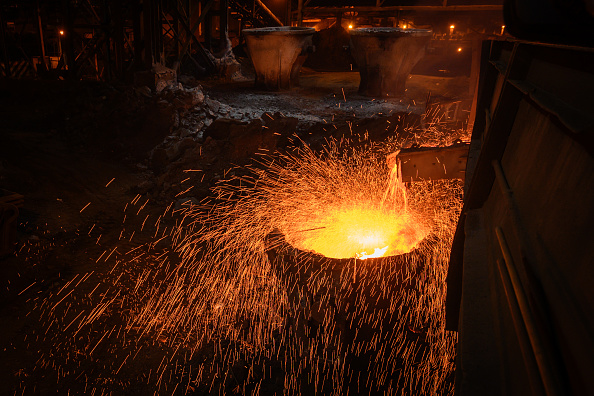
Brazilian Nickel rejects barrier to Asian nickel and advocates free trade
Amid the debate on trade defense measures against Asian products, Brazilian Nickel defends that Brazil does not adopt...
Sthefany Brito announces the birth of her third child
Actress Sthefany Brito, 38, announced the birth of her third child this Wednesday (3). An Instagram post reveals that...
Toque agora.



Historias das musicas em destaque
 Historia da musica
An Excellent Song to Develop Your Guitar Technique
03/06/2026
Learning new songs is one of the most efficient ways to improve on the guitar, and this song stands out for offering interesting musica...
 Historia da musica
Discover the Musical Secrets of This Song and Learn on the Guitar
03/06/2026
Some songs have special characteristics that make them great learning tools for guitar players. This is one of them. Its musical constr...
 Historia da musica
Learn to Play This Song on Guitar and Evolve Your Musical Technique
03/06/2026
For those looking to expand their repertoire and develop new skills on the guitar, this song is an excellent choice. With a harmonious...
 Historia da musica
Ideal Music to Expand Your Repertoire and Perfect Your Technique
03/06/2026
Anyone looking for new songs to study on the guitar will find this song an excellent opportunity for musical growth. Its harmonic const...
 Historia da musica
Discover the Musical Secrets of This Song and Evolve on the Guitar
03/06/2026
Learning a new song is one of the most efficient ways to develop guitar skills, and this song offers a complete experience for anyone w...
 Historia da musica
Learn to Play This Song and Develop New Techniques on the Guitar
03/06/2026
For those looking to improve on the guitar and expand their musical repertoire, this song represents an excellent learning opportunity....
 Historia da musica
How to Play O Escudo on Guitar and Learn One of the Most Remarkable Songs in Gospel Music
03/06/2026
Among the songs that have had a profound impact on the Brazilian Christian music scene, "O Escudo" occupies a special place in the hear...
 Historia da musica
Learn to Play Psalm 137 on Guitar and Understand the Beauty of This Song of Faith
03/06/2026
For those looking for inspiring songs to play on the guitar, Psalm 137 is an excellent choice. The song features an engaging melody and...
 Historia da musica
Missing Cezar and Paulinho is a country number to play with emotion
03/06/2026
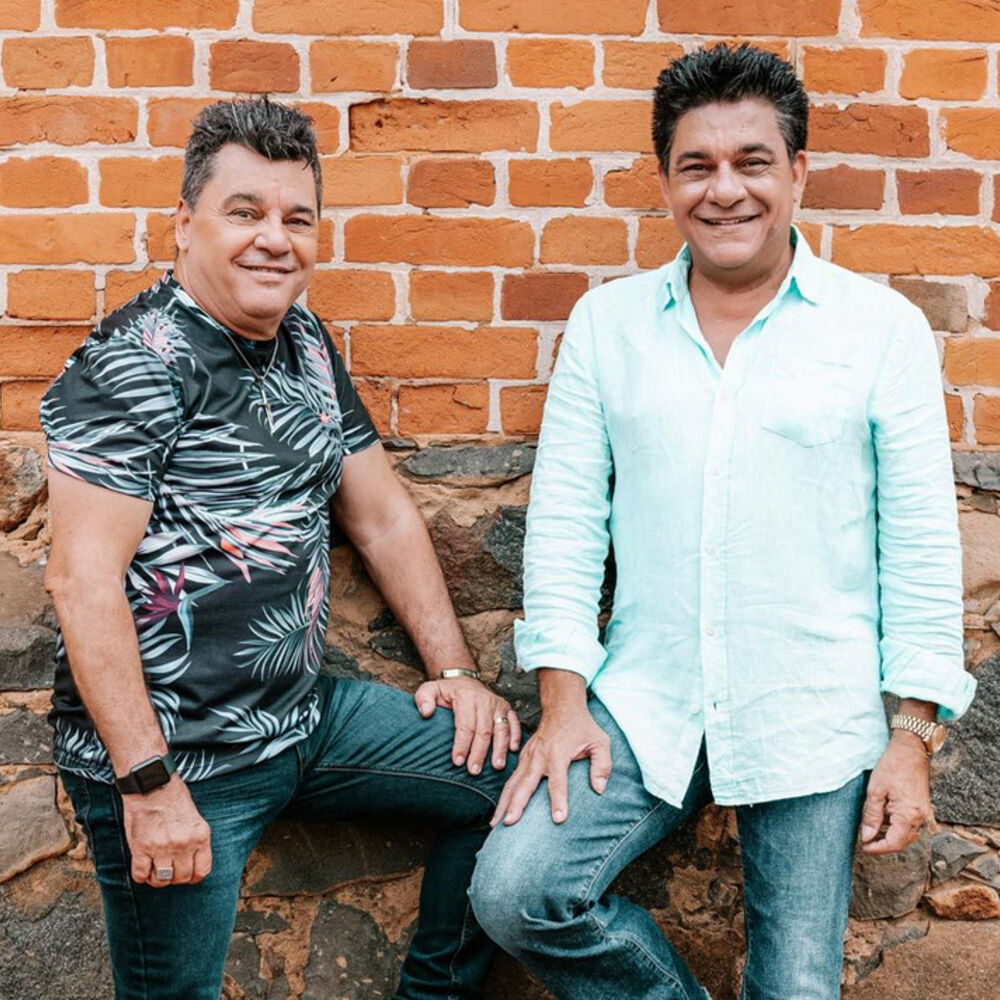
Deadly missing you, Cezar and Paulinho, is a country song full of feeling, longing and romanticism. The song has that traditional atmos...
 Historia da musica
Trust In Me by Dinah Washington is an elegant chord to study on the guitar
03/06/2026
Trust In Me, performed by Dinah Washington, is a sophisticated song, marked by emotion, softness and a strong vocal presence. It's the...
Mais noticias para voce
 Noticia
03/06/2026
Luxury hotel in SP is target of action seeking R$20 million for racism
The organization Educafro filed a lawsuit, this Wednesday (3), against the luxury hotel Tivoli Mofarrej, located in an upscale region of the capital of São Paul...
 Noticia
03/06/2026
Corinthians knows details of the Conmebol Libertadores round of 16
- By Fabio Luigi / Central do Timão Editorial On Wednesday night (3), Conmebol released the details of the games for the round of 16 of the 2026 Conmebol Libert...
 Noticia
03/06/2026
Corinthians' number 10 comes off the bench and plays in the second half of the Netherlands' defeat in a friendly aimed at the World Cup
- By Fabio Luigi / Central do Timão Editorial The Netherlands/Netherlands national team entered the field this Wednesday afternoon (3), at the Feyenoord Stadium...
 Noticia
03/06/2026
Corinthians rebuts father of promise from Corinthians base after announcement of departure
By Matheus Fiuza on 03 de June de 2026 at 20:20 Corinthians released, this Wednesday, an official note in response to the statements made by Flávio Flora, fathe...
 Noticia
03/06/2026
Plane that will fly the longest route in the world completes first test flight; see how the trip was
What it was like for the first test flight of the plane that will take the longest route in the worldThe European aeronautical manufacturer Airbus concluded on...
 Noticia
03/06/2026
US House passes bill to limit Trump's war powers
The United States House approved this Wednesday (3) a resolution to limit President Donald Trump's powers over the war in Iran. Democrats have been forcing vote...
Participe da conversa
Seu comentario ajuda a manter a discussao viva e ainda convida outros leitores a continuar navegando pelo portal.
Seja o primeiro a comentar esta noticia.