



Leia a noticia completa
US President Donald Trump's war with Iran hasn't exactly been a resounding success so far. And a large part of the American public hopes that the end of the conflict - whenever it may be - will not change that perception.
Surveys conducted in recent weeks paint a picture of an American public that has had enough. People didn't like the war from the start, they don't believe it will result in much positive, and they don't seem to expect meaningful concessions - or at least worthwhile concessions.
In short, there isn't much faith that Trump has a good way out of this war.

'The Murder of Roger Ackroyd', 100 years old: why was Agatha Christie's novel voted the best whodunit of all time?
The crime writer Agatha ChristieAlamyIn 2013, the British Crime Writers Association (CWA) met to choose, as part of it...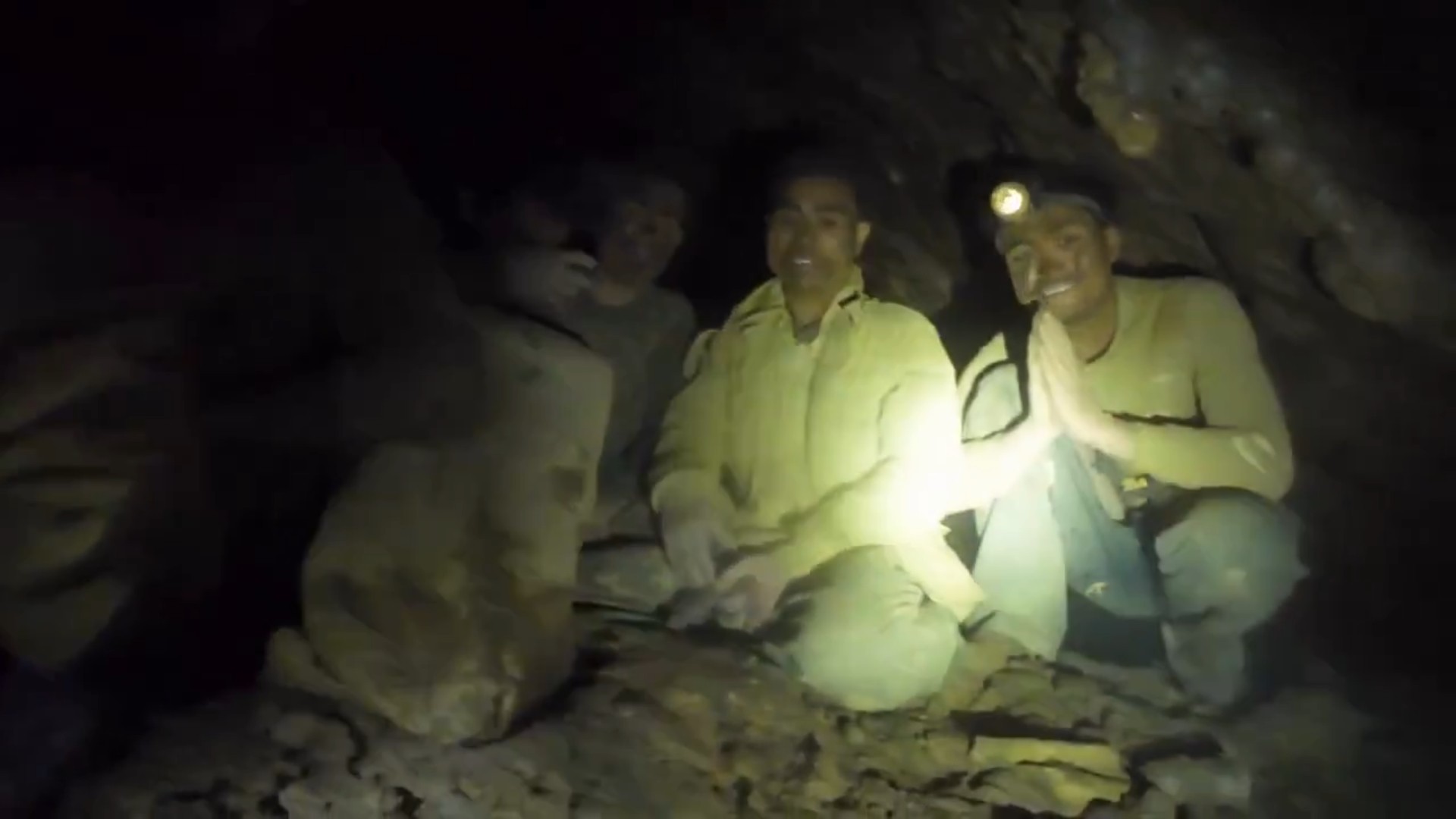
Divers try to bring food to survivors trapped in cave in Laos: 'Getting them out won't be easy'
Watch the moment rescue team finds 5 of the missing in cave in LaosDivers taking part in the rescue of five survivors...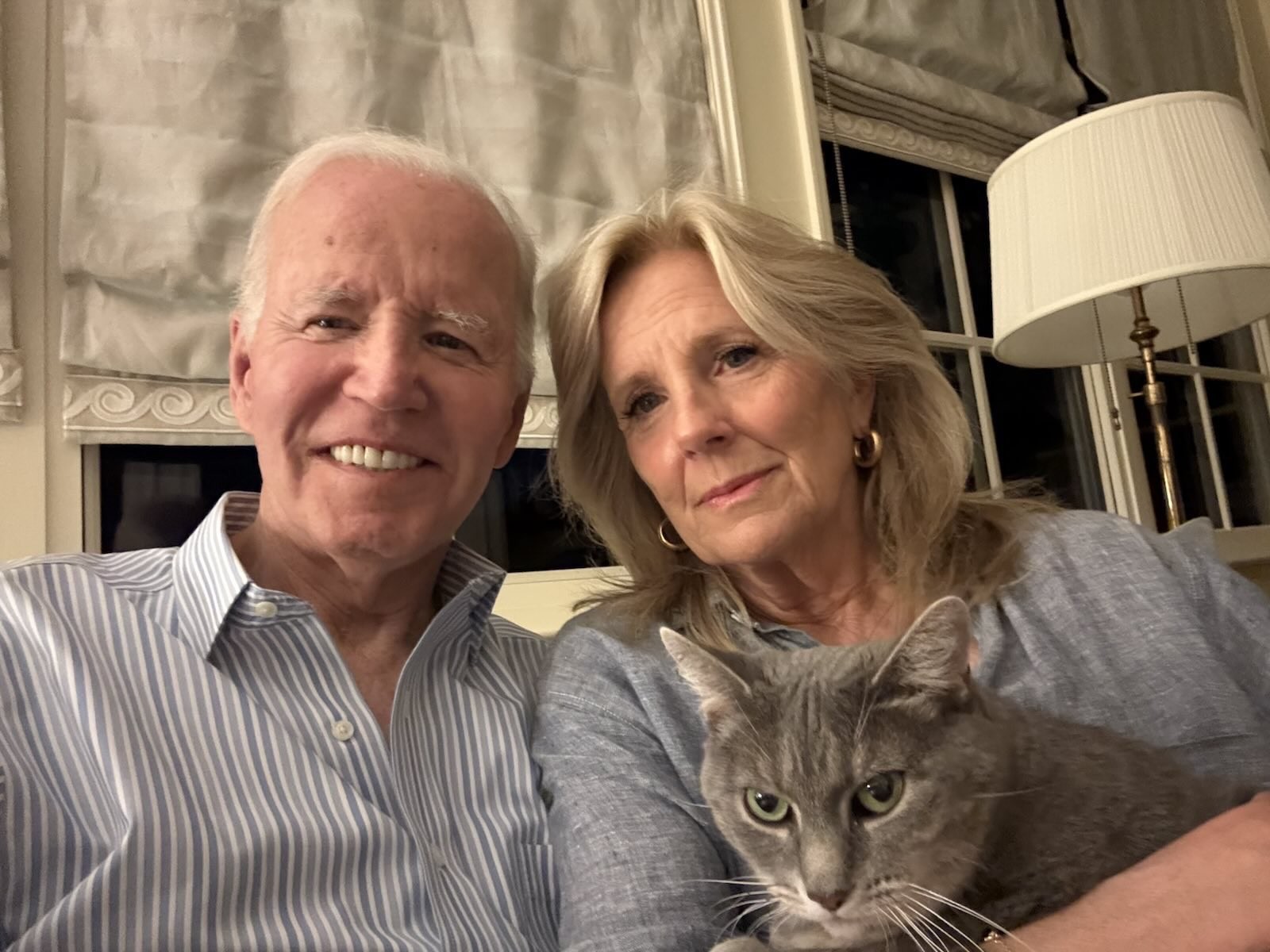
'I thought he was having a stroke', says Joe Biden's wife, about her husband's performance in the debate with Trump in 2024
Former US President, Joe Biden, in a photo with his wife, Jill Biden, and the couple's cat, in an image released on Ma...
Memorial Day weekend offered some perspective on this. Some of the most significant signs yet of real progress toward an agreement to end the war have emerged. But as details leaked out, it became clear that these were completely unacceptable proposals to many hard-line Republicans. Some of these Republicans even warned that the deal could leave Iran stronger than it was before the war.
And if Iran maintains its adamant stance, it's unclear what kind of deal could allow Trump to save face and end the war before it becomes an even bigger problem for the Republican Party.
Several surveys suggest that people simply want it all to end.
Toque agora.



A Fox News poll last week showed that just 39% of registered voters wanted U.S. military operations to last "as long as necessary to achieve American objectives," compared with 61% who preferred a "limited time frame."
Similarly, a New York Times-Siena College poll showed that 52% of registered voters said the United States should end military operations even if it cannot reach an agreement with Iran over its nuclear program.
Only 37% wanted to resume military operations if countries are unable to reach an agreement on Iran's nuclear program.
And this latest poll, as well as other data, reinforces that Americans are not exactly optimistic about an acceptable agreement.
On the contrary, it seems that they tend to view everything that is produced with skepticism.
The Times-Siena poll indicated that only 22% believed the war would be "very successful" in eliminating Iran's nuclear program - a program that, it is worth emphasizing, the Trump administration already claimed had been "obliterated" last year.
Another 18% thought it would be "fairly successful", while 50% expected it to be unsuccessful.
Similarly, 65% of Americans were "not very confident" or "not at all confident" that a deal to end the war would prevent Iran from developing nuclear weapons (which has been Trump's repeated red line), according to a Washington Post-ABC News poll.
And nearly two-thirds were only "fairly" confident, or less, that the government would achieve its goals in Iran, according to a recent Pew Research Center survey.
Even if a deal is reached on terms that are reasonably favorable to the United States, that does not mean that Americans will consider it valid.
Registered voters said 55% to 21% that the war would not be worth the costs, according to the Times-Siena poll.
Polls have also routinely illustrated that Americans think war will be counterproductive on several fronts. The Post-ABC poll showed that Americans said:
- 61% to 11% that the war increased the risk of terrorism against Americans
- 56% to 12% that it risked weakening US relations
- 49% to 21% that stability in the Middle East will worsen
Even if Trump defies the odds and manages to strike a favorable deal for the US, he has another critical problem: Americans no longer trust him on this issue.
The most recent CNN poll, for example, shows that only 20% of Americans have "a lot" of confidence in Trump to make good decisions on Iran.
About three times as many - 59% - have "little" or no confidence.
Trump has already abandoned many of his most absolutist demands. He used to say he would only accept "UNCONDITIONAL SURRENDER", for example.
At other times, he stated that his main goals were to completely end Iran's nuclear program and prevent the country from financing groups such as Hamas and Hezbollah.
Based on the most recent terms of negotiations, these objectives appear to be being diluted.
Trump appears to have made two critical mistakes from the beginning: he did not have a clear and viable plan to end the war, and he did not sufficiently sell the war to the American people. Instead, he set the bar for success so high that he would have difficulty reaching it - unless he resumed large-scale hostilities and prolonged the war - and told voters after launching the attacks that it would be worth the pain.
Clearly, Americans disagree. And while leaving now is possibly better politically than letting things drag on, it may simply be the least terrible option.
Survey: 6 in 10 Americans see war with Iran as a mistake
Source: CNN

Historias das musicas em destaque
 Historia da musica
How to play the classic "Careless Whisper" on the guitar and move anyone in the first chords
27/05/2026
Few songs can create such an intense and nostalgic atmosphere as George Michael's "Careless Whisper." From the first few seconds, the f...
 Historia da musica
Learn to play Chega, the country music that turns pain into a new beginning
27/05/2026
Chega, by Zezé Di Camargo & Luciano, is one of those songs that speak directly to those who are tired of suffering for love. The lyrics...
 Historia da musica
Learn how to play Total Eclipse Of The Heart, Bonnie Tyler's classic that chills the guitar
26/05/2026
Total Eclipse Of The Heart is one of those songs that seems to be born ready to move people. In Bonnie Tyler's striking voice, the song...
 Historia da musica
Learn to play Memonça Boa on the guitar and feel the strength of this passionate fashion
26/05/2026
Membrança Boa, by Traia Véia, is one of those songs that seem simple, but reach straight to the heart. The song talks about the end of...
 Historia da musica
Learn to play Bete Balanço: the Frejat classic that has energy, attitude and an unforgettable chorus
25/05/2026
Bete Balanço is one of those songs that carries movement from the first chord. With lyrics full of image, dreams, risk and youth, the s...
 Historia da musica
Learn to play Star, by Simply Red, the chord that transforms feelings into guitar
24/05/2026
Star, by Simply Red, is one of those songs that mix romanticism, regret and a striking melody, perfect for those who like to play somet...
 Historia da musica
Learn to play Die With a Smile: the emotional ballad by Lady Gaga and Bruno Mars that conquered the world on guitar
24/05/2026
"Die With a Smile" is one of those songs that already looks like a classic. In the meeting of two giant voices of pop music, Lady Gaga...
 Historia da musica
Learn to play Rasgando a Madrugada, Eduardo Costa's perfect song for guitar
24/05/2026
Rasgando a Madrugada, by Eduardo Costa, is one of those songs that seem to be born in the silence of the night. The song carries the we...
 Historia da musica
Learn to play Autor Da Vida, the Oficina G3 classic that speaks straight to the heart
23/05/2026
Learn to play Autor Da Vida, the Oficina G3 classic that speaks straight to the heart Autor Da Vida, by Oficina G3, is one of those son...
 Historia da musica
Learn to play Te Esperando: the exciting country music by Luan Santana that made Brazil sing on the guitar
23/05/2026
Te Esperando, by Luan Santana, is one of those country songs that sticks in your memory because it mixes romanticism, longing and the p...
Mais noticias para voce
 Noticia
27/05/2026
Smuggling and piracy generated record losses of R$514 billion in 2025
Brazil faced losses exceeding R$514 billion due to counterfeiting, smuggling and piracy in 2025, according to the ABCF (Brazilian Association to Combat Counterf...
 Noticia
27/05/2026
Cynthia Erivo hits back at critics who doubt her friendship with Ariana Grande
Actress Cynthia Erivo, 39, spoke in an interview with Variety magazine about her friendship with artist Ariana Grande, during the recording of the box office hi...
 Noticia
27/05/2026
Pará approves law that forces aggressors to pay for electronic ankle bracelets
The Legislative Assembly of Pará (Alepa) approved, this Tuesday (26), a Bill that obliges aggressors of women to pay for the electronic ankle bracelets used as...
 Noticia
27/05/2026
Brazilian dinosaur 'cried' to survive; understand why
A new study suggests that some semi-aquatic dinosaurs, such as Spinosaurus, could "cry salty tears" to eliminate excess salt from their bodies. The research, pu...
Noticia
27/05/2026
How to play the classic "Careless Whisper" on the guitar and move anyone in the first chords
Few songs can create such an intense and nostalgic atmosphere as George Michael's "Careless Whisper." From the first few seconds, the famous solo transports any...
Noticia
27/05/2026
Learn to play Chega, the country music that turns pain into a new beginning
Chega, by Zezé Di Camargo & Luciano, is one of those songs that speak directly to those who are tired of suffering for love. The lyrics bring a strong feeling o...
Participe da conversa
Seu comentario ajuda a manter a discussao viva e ainda convida outros leitores a continuar navegando pelo portal.
Seja o primeiro a comentar esta noticia.