




Leia a noticia completa
Negotiations between the United States and Iran are progressing, but still face significant obstacles. While American President Donald Trump stated that the talks are "progressing well" towards an agreement, analysts and the dynamics of the negotiations point to a scenario full of divergences and uncertainties.
According to CNN White House reporter Kevin Liptek, although a memorandum of understanding appeared imminent over the weekend, the two parties remain locked in issues of drafting the final text.
The presence of an Iranian delegation in Qatar raised hopes that mediators could help unblock the negotiations, but the expectation, at least on the American side, is that the process will last a few days.

Federal Lottery today: results of competition 6069 and numbers drawn
Federal Lottery FlyersG1See below the tickets drawn from contest 6069 of the Federal Lottery held this Wednesday (27):...
Botafogo suffers another transfer ban and remains banned from signing players
Botafogo increased its number of problems with the fourth transfer ban applied by FIFA. With the sanction this Wednesd...
ChatGPT creator launches plan against electoral misinformation in Brazil
OpenAI, creator of the artificial intelligence platform ChatGPT, launched this Wednesday (27) a plan against electoral...
Disagreements over the nuclear program and sanctions
One of the main points of impasse is the Iranian nuclear program. The US says Iran has agreed in principle to give up its stockpile of highly enriched uranium. The Iranians deny that the topic has been discussed in detail.
In addition, Tehran demands more specifics about which sanctions Washington is willing to lift and which assets it intends to unfreeze. In response, American officials make it clear that any financial relief will only occur after concrete progress on nuclear issues, summarizing the position with the phrase: "no dust, no dollars" - a reference to the stockpile of enriched uranium.
CNN's senior international analyst, Américo Martins, highlighted that, according to information coming from the USA, an agreement between the two countries has never been so close. He mentioned that the American Secretary of State, Marco Rubio, on a trip to India, stated that he believed that the issue was simply one of adjusting the language in the text, although he warned that the process could take a few more days.
Toque agora.


American attacks against Iranian military installations near the Strait of Hormuz were justified by the US as defensive actions, carried out after identifying Iranian movements that would pose a risk to its vessels and soldiers in the region.
Khamenei and the new order in the Middle East
Iran's supreme leader, Mojtaba Khamenei, who has yet to appear publicly or record videos since hostilities began, released a written statement saying that a new order was emerging in the Middle East as American influence in the region waned, and that other countries "would no longer serve as shields for American bases."
UFF (Federal Fluminense University) professor and Harvard researcher Vitelio Brustolin added that the US and Israeli attacks did not achieve the objective of limiting Iranian power. Iran, according to him, continues to project power by controlling the flow of around 20% of the world's oil through the Strait of Hormuz.
CNN International analyst Lourival Sant'Anna noted that none of the war's main stated objectives have been achieved: Iran's conventional missile arsenal has not been dismantled, destroyed stockpiles are being replenished, and Iran's relations with its regional allies, such as Hezbollah and the Houthis, remain intact.
According to the analyst, Iran finds itself in a position of pressure on the global economy, which puts Trump in a dilemma: give in to Iranian conditions to end the conflict or maintain military pressure.
Every time Trump announces the imminence of an agreement, Iran publicly contradicts him, making the American position even more difficult. Trump also spent the day trying to avoid comparisons between the possible understanding and the nuclear agreement signed during the Barack Obama administration, which he himself criticized and abandoned.
Abraham Accords and the regional role
In parallel, Trump has been pressuring Gulf countries, including Saudi Arabia and Qatar, to join the Abraham Accords - normalization agreements between Arab nations and Israel.
However, Saudi Arabia has made it clear that it does not intend to sign any such agreement without there being an irreversible path to the creation of a Palestinian state, a condition that, at the moment, does not appear to be being met.
Vitelio Brustolin highlighted that Trump's demand is considered unfeasible, especially after the destruction in the Gaza Strip, making it politically impossible for Muslim countries in the region to normalize relations with Israel at this time.
The texts generated by artificial intelligence on CNN Brasil are made based on video cuts from the newspapers in its programming. All information is investigated and checked by journalists. The final text is also reviewed by the CNN journalism team. Click here to find out more.
Source: CNN
Historias das musicas em destaque
 Historia da musica
How to play the classic "Careless Whisper" on the guitar and move anyone in the first chords
27/05/2026
Few songs can create such an intense and nostalgic atmosphere as George Michael's "Careless Whisper." From the first few seconds, the f...
 Historia da musica
Learn to play Chega, the country music that turns pain into a new beginning
27/05/2026
Chega, by Zezé Di Camargo & Luciano, is one of those songs that speak directly to those who are tired of suffering for love. The lyrics...
 Historia da musica
Learn how to play Total Eclipse Of The Heart, Bonnie Tyler's classic that chills the guitar
26/05/2026
Total Eclipse Of The Heart is one of those songs that seems to be born ready to move people. In Bonnie Tyler's striking voice, the song...
 Historia da musica
Learn to play Memonça Boa on the guitar and feel the strength of this passionate fashion
26/05/2026
Membrança Boa, by Traia Véia, is one of those songs that seem simple, but reach straight to the heart. The song talks about the end of...
 Historia da musica
Learn to play Bete Balanço: the Frejat classic that has energy, attitude and an unforgettable chorus
25/05/2026
Bete Balanço is one of those songs that carries movement from the first chord. With lyrics full of image, dreams, risk and youth, the s...
 Historia da musica
Learn to play Star, by Simply Red, the chord that transforms feelings into guitar
24/05/2026
Star, by Simply Red, is one of those songs that mix romanticism, regret and a striking melody, perfect for those who like to play somet...
 Historia da musica
Learn to play Die With a Smile: the emotional ballad by Lady Gaga and Bruno Mars that conquered the world on guitar
24/05/2026
"Die With a Smile" is one of those songs that already looks like a classic. In the meeting of two giant voices of pop music, Lady Gaga...
 Historia da musica
Learn to play Rasgando a Madrugada, Eduardo Costa's perfect song for guitar
24/05/2026
Rasgando a Madrugada, by Eduardo Costa, is one of those songs that seem to be born in the silence of the night. The song carries the we...
 Historia da musica
Learn to play Autor Da Vida, the Oficina G3 classic that speaks straight to the heart
23/05/2026
Learn to play Autor Da Vida, the Oficina G3 classic that speaks straight to the heart Autor Da Vida, by Oficina G3, is one of those son...
 Historia da musica
Learn to play Te Esperando: the exciting country music by Luan Santana that made Brazil sing on the guitar
23/05/2026
Te Esperando, by Luan Santana, is one of those country songs that sticks in your memory because it mixes romanticism, longing and the p...
Mais noticias para voce
Noticia
27/05/2026
Corinthians x Platense: lineups and where to watch the Libertadores game
Corinthians and Platense enter the field this Wednesday (27), at 9:30 pm (Brasília time), in a game valid for the sixth round of the Copa Libertadores. The conf...
 Noticia
27/05/2026
Minister of Labor says Lula will seek Alcolumbre to approve 6×1
The Minister of Labor Luiz Marinho stated this Wednesday (27) that President Luiz Inácio Lula da Silva (PT) should seek out the President of the Senate Davi Alc...
 Noticia
27/05/2026
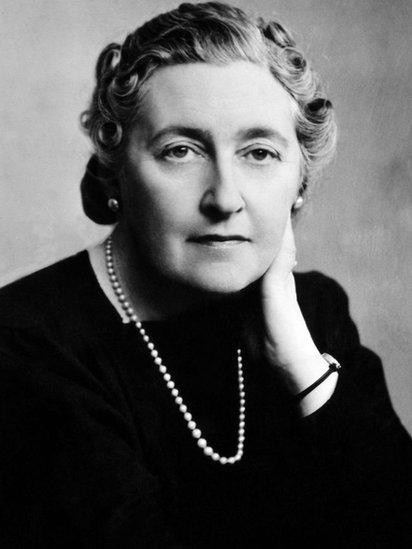
'The Murder of Roger Ackroyd', 100 years old: why was Agatha Christie's novel voted the best whodunit of all time?
The crime writer Agatha ChristieAlamyIn 2013, the British Crime Writers Association (CWA) met to choose, as part of its 60th anniversary celebrations, the best...
 Noticia
27/05/2026
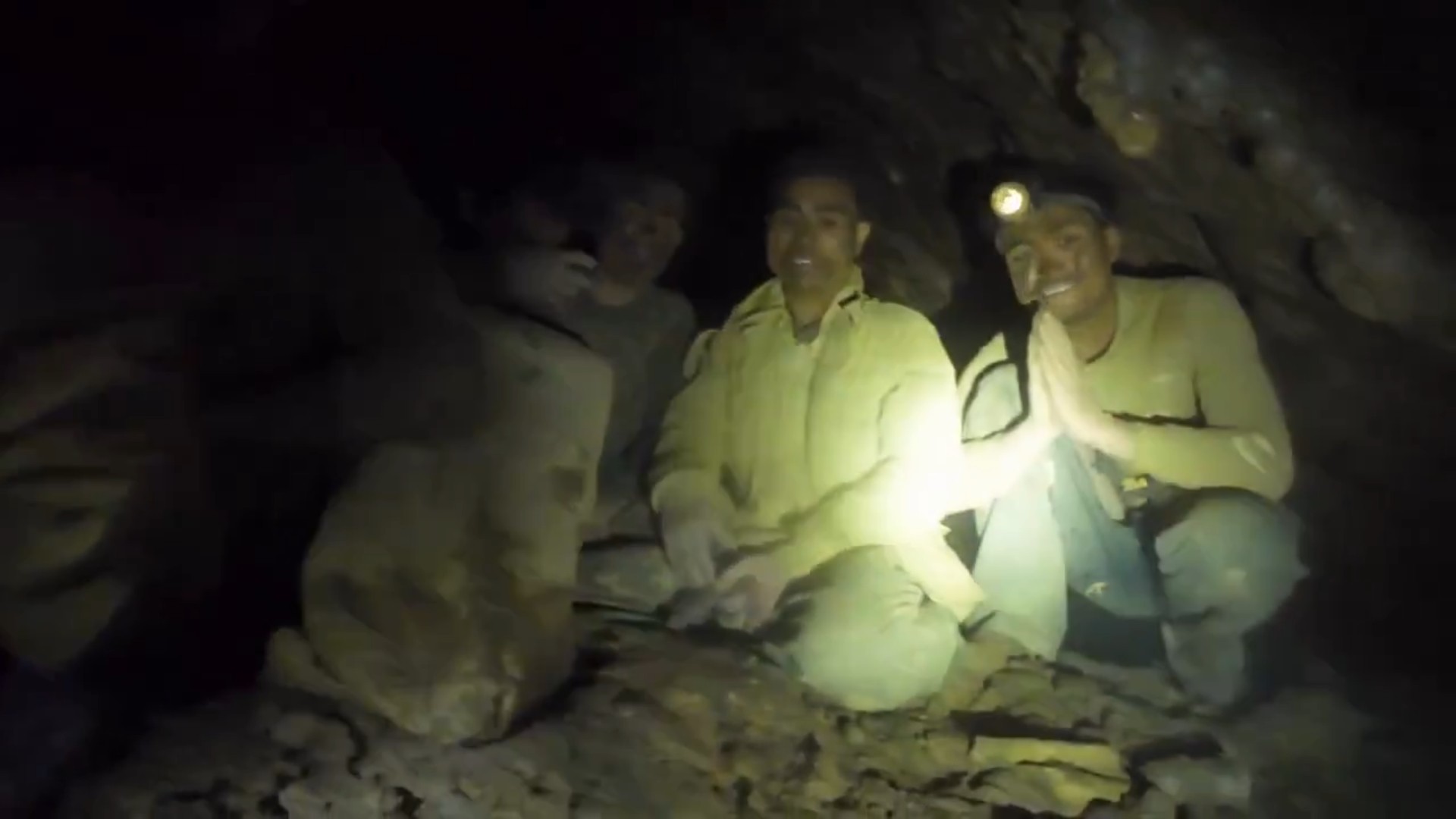
Divers try to bring food to survivors trapped in cave in Laos: 'Getting them out won't be easy'
Watch the moment rescue team finds 5 of the missing in cave in LaosDivers taking part in the rescue of five survivors who were trapped in a flooded cave in Laos...
Noticia
27/05/2026
How to play the classic "Careless Whisper" on the guitar and move anyone in the first chords
Few songs can create such an intense and nostalgic atmosphere as George Michael's "Careless Whisper." From the first few seconds, the famous solo transports any...
Noticia
27/05/2026
Learn to play Chega, the country music that turns pain into a new beginning
Chega, by Zezé Di Camargo & Luciano, is one of those songs that speak directly to those who are tired of suffering for love. The lyrics bring a strong feeling o...
Participe da conversa
Seu comentario ajuda a manter a discussao viva e ainda convida outros leitores a continuar navegando pelo portal.
Seja o primeiro a comentar esta noticia.