




Leia a noticia completa
In the context of mental health at work, since 2024 we have a new opportunity to convince companies to invest in this topic. Regulatory Standard NR-01 was reformulated and included psychosocial risk factors as a mandatory risk to be measured and managed for their minimization or elimination.
Regulatory Standards (NRs) are a set of guidelines established by the Ministry of Labor and Employment (MTE) to guarantee the health and safety of workers in different professional environments. Currently, there are 38 standards in force in Brazil and NR-01 now also includes psychosocial risks present in the work environment.
The review of NR-01 emphasized aspects linked to workers' mental health, meeting the growing demands for corporate environments that protect not only physical health, but also psychological well-being.

'The Murder of Roger Ackroyd', 100 years old: why was Agatha Christie's novel voted the best whodunit of all time?
The crime writer Agatha ChristieAlamyIn 2013, the British Crime Writers Association (CWA) met to choose, as part of it...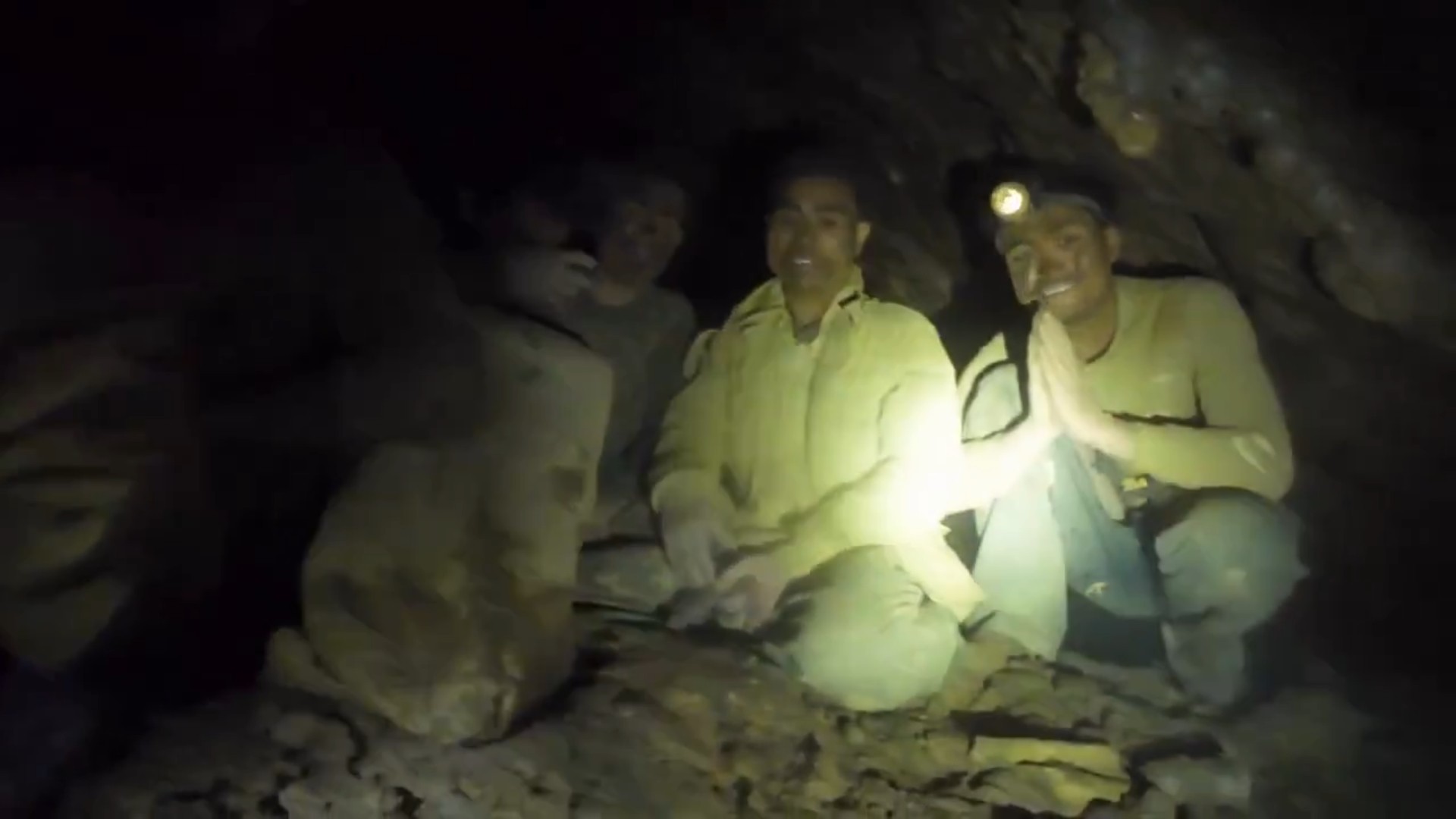
Divers try to bring food to survivors trapped in cave in Laos: 'Getting them out won't be easy'
Watch the moment rescue team finds 5 of the missing in cave in LaosDivers taking part in the rescue of five survivors...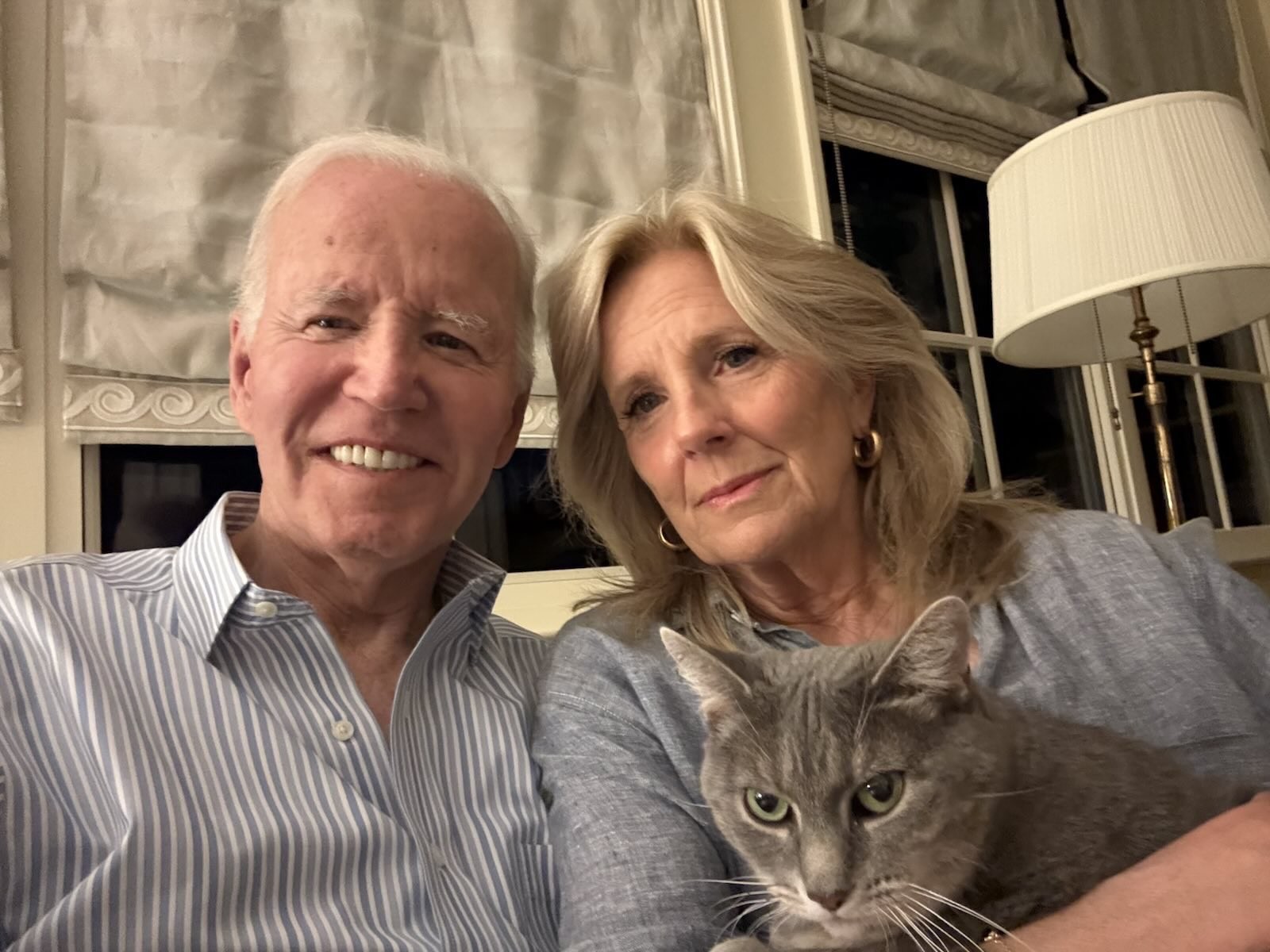
'I thought he was having a stroke', says Joe Biden's wife, about her husband's performance in the debate with Trump in 2024
Former US President, Joe Biden, in a photo with his wife, Jill Biden, and the couple's cat, in an image released on Ma...
The update highlights the importance of ongoing mental health policies within companies, including:
- Treatment;
- Prevention;
- Psychological support;
- Measures against harassment.
It also reinforces worker participation throughout this process. These actions must be included in the Risk Management Program (PGR), mandatory for all risks present in the work environment and which must be updated periodically, requiring continuous assessment of psychosocial risks.
Toque agora.


The update of NR-01 represents an important advance in recognizing mental health as a fundamental part of safety at work. More than a bureaucratic implementation, this change invites companies to rethink their role in promoting employee well-being and building a healthier, more sustainable and balanced organizational culture.
The psychosocial factors to which the standard refers concern the interactions between the work environment and the individual characteristics of workers, capable of influencing health, performance and professional satisfaction. Among the main psychosocial risks are:
- Quantitative overload - excessive tasks and time pressure;
- Insufficient qualitative workload - limited work and little social interaction;
- Lack of control over work;
- Conflicting roles that harm the worker's ethics;
- Lack of social support from leaders, colleagues or family.
The measurement of these factors is usually done through questionnaires applied to workers, evaluating collective perceptions of sectors, positions, gender or generations. Furthermore, the standard requires the analysis of the severity of the damage and the probability of illness resulting from these factors.
According to the Ministry of Labor and Employment, the new NR-01 came into force in May 2025 on an educational basis, while effective inspection will begin on May 26, 2026. Ordinance MTE 66/24 provides for penalties for companies that fail to comply with requirements related to mental health at work.
In practice, measures to ensure compliance with the standard can occur on three fronts:
- Promotion of mental health - creation of campaigns, workshops and awareness actions;
- Prevention - periodic assessment of the work environment, stress management and leadership training;
- Specialized treatment - access to psychologists and psychiatrists for acute or chronic cases.
Another important point is the constant monitoring of indicators such as absenteeism, presenteeism, absences and increased accident rates, relating these data to workers' mental health. KPIs for accidents, absences, stress levels, engagement and emotional well-being can also be used.
Investment in leadership is also highlighted.
Occupational health leaders and teams must be prepared to identify, embrace and address issues related to mental health, creating more inclusive and emotionally safe environments.
Companies will need to keep the PGR updated, define clear goals, establish preventive and corrective measures, create action schedules and designate those responsible for each initiative. Mental health will definitely become part of the management and safety strategy of organizations.
*Text written by Miryam Mazieiro, psychologist and director of Psychology at Gattaz Health
Study: 31% of Brazilian workers do not take care of their mental health
Source: CNN

Historias das musicas em destaque
 Historia da musica
How to play the classic "Careless Whisper" on the guitar and move anyone in the first chords
27/05/2026
Few songs can create such an intense and nostalgic atmosphere as George Michael's "Careless Whisper." From the first few seconds, the f...
 Historia da musica
Learn to play Chega, the country music that turns pain into a new beginning
27/05/2026
Chega, by Zezé Di Camargo & Luciano, is one of those songs that speak directly to those who are tired of suffering for love. The lyrics...
 Historia da musica
Learn how to play Total Eclipse Of The Heart, Bonnie Tyler's classic that chills the guitar
26/05/2026
Total Eclipse Of The Heart is one of those songs that seems to be born ready to move people. In Bonnie Tyler's striking voice, the song...
 Historia da musica
Learn to play Memonça Boa on the guitar and feel the strength of this passionate fashion
26/05/2026
Membrança Boa, by Traia Véia, is one of those songs that seem simple, but reach straight to the heart. The song talks about the end of...
 Historia da musica
Learn to play Bete Balanço: the Frejat classic that has energy, attitude and an unforgettable chorus
25/05/2026
Bete Balanço is one of those songs that carries movement from the first chord. With lyrics full of image, dreams, risk and youth, the s...
 Historia da musica
Learn to play Star, by Simply Red, the chord that transforms feelings into guitar
24/05/2026
Star, by Simply Red, is one of those songs that mix romanticism, regret and a striking melody, perfect for those who like to play somet...
 Historia da musica
Learn to play Die With a Smile: the emotional ballad by Lady Gaga and Bruno Mars that conquered the world on guitar
24/05/2026
"Die With a Smile" is one of those songs that already looks like a classic. In the meeting of two giant voices of pop music, Lady Gaga...
 Historia da musica
Learn to play Rasgando a Madrugada, Eduardo Costa's perfect song for guitar
24/05/2026
Rasgando a Madrugada, by Eduardo Costa, is one of those songs that seem to be born in the silence of the night. The song carries the we...
 Historia da musica
Learn to play Autor Da Vida, the Oficina G3 classic that speaks straight to the heart
23/05/2026
Learn to play Autor Da Vida, the Oficina G3 classic that speaks straight to the heart Autor Da Vida, by Oficina G3, is one of those son...
 Historia da musica
Learn to play Te Esperando: the exciting country music by Luan Santana that made Brazil sing on the guitar
23/05/2026
Te Esperando, by Luan Santana, is one of those country songs that sticks in your memory because it mixes romanticism, longing and the p...
Mais noticias para voce
 Noticia
27/05/2026
Smuggling and piracy generated record losses of R$514 billion in 2025
Brazil faced losses exceeding R$514 billion due to counterfeiting, smuggling and piracy in 2025, according to the ABCF (Brazilian Association to Combat Counterf...
 Noticia
27/05/2026
Cynthia Erivo hits back at critics who doubt her friendship with Ariana Grande
Actress Cynthia Erivo, 39, spoke in an interview with Variety magazine about her friendship with artist Ariana Grande, during the recording of the box office hi...
 Noticia
27/05/2026
Pará approves law that forces aggressors to pay for electronic ankle bracelets
The Legislative Assembly of Pará (Alepa) approved, this Tuesday (26), a Bill that obliges aggressors of women to pay for the electronic ankle bracelets used as...
 Noticia
27/05/2026
Brazilian dinosaur 'cried' to survive; understand why
A new study suggests that some semi-aquatic dinosaurs, such as Spinosaurus, could "cry salty tears" to eliminate excess salt from their bodies. The research, pu...
Noticia
27/05/2026
How to play the classic "Careless Whisper" on the guitar and move anyone in the first chords
Few songs can create such an intense and nostalgic atmosphere as George Michael's "Careless Whisper." From the first few seconds, the famous solo transports any...
Noticia
27/05/2026
Learn to play Chega, the country music that turns pain into a new beginning
Chega, by Zezé Di Camargo & Luciano, is one of those songs that speak directly to those who are tired of suffering for love. The lyrics bring a strong feeling o...
Participe da conversa
Seu comentario ajuda a manter a discussao viva e ainda convida outros leitores a continuar navegando pelo portal.
Seja o primeiro a comentar esta noticia.