



Leia a noticia completa
Between the 13th and 15th of May, Rio de Janeiro hosted the 2nd Summit on Integration of Health Care in Portuguese-Speaking Countries - of which, by the way, there are nine: in alphabetical order, Angola, Brazil, Cape Verde, Guinea-Bissau, Equatorial Guinea, Mozambique, Portugal, São Tomé and Príncipe and Timor-Leste. United by language, separated by inequality:
There is an 18-year difference in life expectancy between Portugal (82.5 years) and Mozambique (62 years).
Maternal mortality in Guinea-Bissau is 34 times higher than in Portugal.
Health expenditure per capita varies by up to a hundred times within the Community of Portuguese Speaking Countries (CPLP).
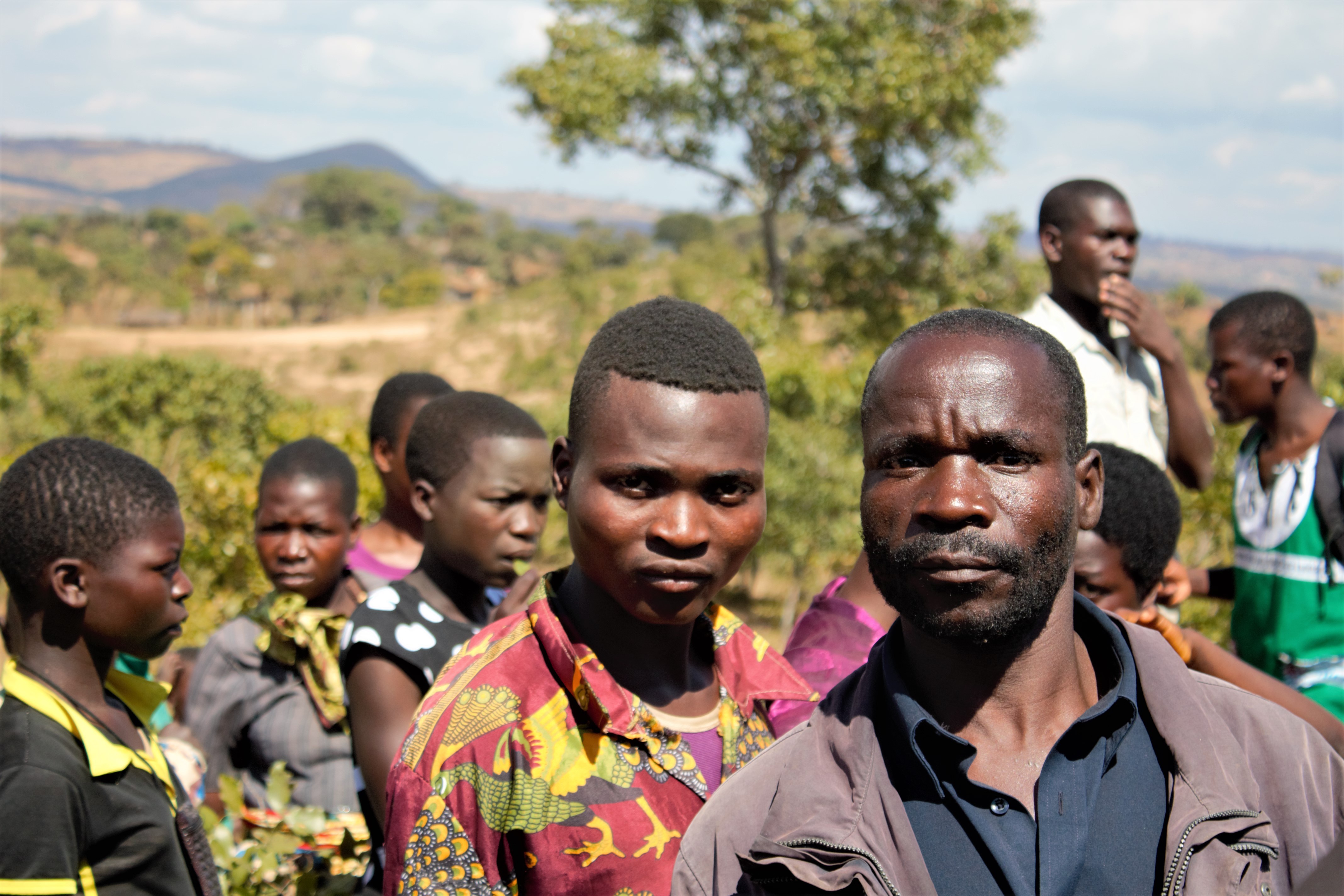
Social determinants and inequality: there is an 18-year difference in life expectancy between Portugal (82.5 years) and Mozambique (62 years)
Tim Donahue for Pixabay
These were some of the data presented by Ann Lindstrand, a Swedish pediatrician who speaks very reasonable Portuguese and is a representative of the World Health Organization (WHO) in Cape Verde. The scenario is even worse when you think in planetary terms. According to the entity, the disparity in life expectancy between nations reaches 33 years; in the poorest, the mortality rate for children under 5 years of age is 13 times higher. In Brazil, while a black man in Alagoas is estimated to live 66.7 years, a white woman in Santa Catarina can live, on average, 80.9 years. The data comes from the Instituto Mobilidade e Desenvolvimento Social) in partnership with Cedeplar/UFMG.
And what is behind this panorama? The so-called social determinants of health, which go far beyond personal choices. They encompass the conditions in which individuals are born, grow, live, work and age. Imagine a huge socioeconomic and cultural umbrella that houses all aspects that affect our existence: education, housing, work, sanitation, food security, environmental risks and access to health services itself. Each person's lifestyle is closely related to all these variables. When they fail, the results are dismal:
Populations with lower income represent the largest volume of hospital care and have the highest mortality rate.
Poor housing conditions increase respiratory illnesses and mental health problems.
Unemployment and job insecurity overwhelm emergency care.
"Health systems are a model of delays: for the patient to reach initial care and receive it; and then, in a later and more complex stage, to have access to referral care," said Lindstrand. The doctor resorted to a statement from the WHO itself that summarizes the paradox of the situation: "Why should the health sector only cure people to return them to the conditions that made them sick in the first place?".
It is important that countries that have cultural ties share information and good practices and, above all, formulate public policies to reduce inequality and promote equity. After all, the modifiable risk factors are generally known, but require a structural response:
Inadequate diet: diets low in vegetables and rich in ultra-processed foods are associated with cardiovascular mortality.
Sedentary lifestyle: contributes to obesity, type 2 diabetes and heart disease.
Smoking and alcohol: are responsible for a significant number of deaths and cases of cancer.
Atmospheric pollution: direct impact on the triggering of respiratory and cardiovascular diseases.
Climate change: leads to heat waves, extreme events and the redistribution of vectors of infectious diseases.
Lives: 24% of global deaths are linked to environmental issues and the annual cost of pollution is around 820 billion dollars.
"Conversations from Beyond the Sea" project brings together Portuguese-speaking authors and readers
Source: G1

Chinese company says it has a device capable of "translating" pet sounds
Chinese technology company Hangzhou Meng Xiaoyi Technology claims to have developed a device capable of "translating"...
Anahí and Poncho: project reveals reason for reunion between the two
Singer Anahí, 43, and actor Alfonso Herrera, 42, caught the attention of fans when they reunited in January after year...
With Bernard decisive, Atlético-MG qualifies in the Copa Sudamericana
Atlético-MG is in the round of 16 of the Copa Sudamericana. This Wednesday (27), at Arena MRV, Bernard scored the goal...
Toque agora.





Historias das musicas em destaque
 Historia da musica
Learn how to play "I Love You" and discover why Billie Eilish moves millions with just a few chords
27/05/2026
There are songs that seem simple at first, but carry an emotional intensity that is difficult to explain. "I Love You", by Billie Eilis...
 Historia da musica
How to play the classic "Careless Whisper" on the guitar and move anyone in the first chords
27/05/2026
Few songs can create such an intense and nostalgic atmosphere as George Michael's "Careless Whisper." From the first few seconds, the f...
 Historia da musica
Learn to play Chega, the country music that turns pain into a new beginning
27/05/2026
Chega, by Zezé Di Camargo & Luciano, is one of those songs that speak directly to those who are tired of suffering for love. The lyrics...
 Historia da musica
Learn how to play Total Eclipse Of The Heart, Bonnie Tyler's classic that chills the guitar
26/05/2026
Total Eclipse Of The Heart is one of those songs that seems to be born ready to move people. In Bonnie Tyler's striking voice, the song...
 Historia da musica
Learn to play Memonça Boa on the guitar and feel the strength of this passionate fashion
26/05/2026
Membrança Boa, by Traia Véia, is one of those songs that seem simple, but reach straight to the heart. The song talks about the end of...
 Historia da musica
Learn to play Bete Balanço: the Frejat classic that has energy, attitude and an unforgettable chorus
25/05/2026
Bete Balanço is one of those songs that carries movement from the first chord. With lyrics full of image, dreams, risk and youth, the s...
 Historia da musica
Learn to play Star, by Simply Red, the chord that transforms feelings into guitar
24/05/2026
Star, by Simply Red, is one of those songs that mix romanticism, regret and a striking melody, perfect for those who like to play somet...
 Historia da musica
Learn to play Die With a Smile: the emotional ballad by Lady Gaga and Bruno Mars that conquered the world on guitar
24/05/2026
"Die With a Smile" is one of those songs that already looks like a classic. In the meeting of two giant voices of pop music, Lady Gaga...
 Historia da musica
Learn to play Rasgando a Madrugada, Eduardo Costa's perfect song for guitar
24/05/2026
Rasgando a Madrugada, by Eduardo Costa, is one of those songs that seem to be born in the silence of the night. The song carries the we...
 Historia da musica
Learn to play Autor Da Vida, the Oficina G3 classic that speaks straight to the heart
23/05/2026
Learn to play Autor Da Vida, the Oficina G3 classic that speaks straight to the heart Autor Da Vida, by Oficina G3, is one of those son...
Mais noticias para voce
 Noticia
27/05/2026
Federal Lottery today: results of competition 6069 and numbers drawn
Federal Lottery FlyersG1See below the tickets drawn from contest 6069 of the Federal Lottery held this Wednesday (27):1st - Ticket 074090: R$500,0002nd - Ticket...
 Noticia
27/05/2026
Botafogo suffers another transfer ban and remains banned from signing players
Botafogo increased its number of problems with the fourth transfer ban applied by FIFA. With the sanction this Wednesday (27), Glorioso is prohibited from signi...
 Noticia
27/05/2026
ChatGPT creator launches plan against electoral misinformation in Brazil
OpenAI, creator of the artificial intelligence platform ChatGPT, launched this Wednesday (27) a plan against electoral disinformation in Brazil and the United S...
 Noticia
27/05/2026
Alcolumbre defends dialogue and rural debt PL should be until June
The president of the Senate, Davi Alcolumbre (União-AP), defended dialogue before voting on the bill on the renegotiation of rural debts (PL 5122/23) with resou...
Noticia
27/05/2026
Learn how to play "I Love You" and discover why Billie Eilish moves millions with just a few chords
There are songs that seem simple at first, but carry an emotional intensity that is difficult to explain. "I Love You", by Billie Eilish, is exactly like that....
Noticia
27/05/2026
How to play the classic "Careless Whisper" on the guitar and move anyone in the first chords
Few songs can create such an intense and nostalgic atmosphere as George Michael's "Careless Whisper." From the first few seconds, the famous solo transports any...
Participe da conversa
Seu comentario ajuda a manter a discussao viva e ainda convida outros leitores a continuar navegando pelo portal.
Seja o primeiro a comentar esta noticia.