



Leia a noticia completa
Deputy Leo Prates (Republicanos-BA) presented the report to the PEC on the end of the 6×1 this Monday (25) proposing a 14-month transition to reduce working hours from 44 to 40 hours per week.
The report proposes that the reduction be made in two "installments" of 2 hours each. The first will be carried out 60 days after the promulgation of the text by President Luiz Inácio Lula da Silva (PT). The second will be done 12 months later, totaling 14 months after promulgation.
The text also establishes that collective agreements may increase the duration of work to more than 8 hours per day, for a transition period of 12 months. The measure would be to respect the ceiling of 42 hours per week at this time.

Federal Lottery today: results of competition 6069 and numbers drawn
Federal Lottery FlyersG1See below the tickets drawn from contest 6069 of the Federal Lottery held this Wednesday (27):...
Botafogo suffers another transfer ban and remains banned from signing players
Botafogo increased its number of problems with the fourth transfer ban applied by FIFA. With the sanction this Wednesd...
ChatGPT creator launches plan against electoral misinformation in Brazil
OpenAI, creator of the artificial intelligence platform ChatGPT, launched this Wednesday (27) a plan against electoral...
The end of the 6×1 scale and the transition to two days of rest would also be made 60 days after the promulgation of the text.
The text was presented after a delay in the schedule. Prates intended to release the report last week, but the dispute between the government and opposition precisely over the transition period meant that the deputy needed more time to work out the agreements.
The announcement of the agreement between the government, the rapporteur and the Chamber's leadership was made jointly in the Chamber this afternoon. In addition to Hugo Motta and the rapporteur, ministers Luiz Marinho (Labor and Employment) and José Guimarães (Secretariat of Institutional Relations) were also present.
Toque agora.




The text also speaks of the intention to include in the opinion a suggestion, which had already been raised last week, to bring more employees to the CLT. To achieve this, one of the tools would be to make the allocation of working hours more flexible for those who earn more than R$23,000 and are registered.
The idea would be to have a ceiling of 160 hours per month that could be allocated according to negotiation between the employer and the employee. According to Prates, workers who earn above this amount and are hired as PJs (legal entities) are no longer subject to defined work schedules.
For the rapporteur, this would make the conversion of workers under the PJ regime to the CLT more attractive by precisely allowing companies to have similar flexibility between workers who are registered and those who are informal.
The text also determines that a complementary law may establish transitional measures to mitigate impacts on small and medium-sized companies. The idea is that they can maintain work levels.
After the vote in the special committee, the PEC goes to the plenary. The president of the Chamber expects to vote this week in two rounds and forward the text to the Senate. Both the government and Motta want the vote in the Upper House to take place within 30 days after approval in the Chamber.
Lula calls Hugo to calm relations with Alcolumbre | LIVE CNN
Source: CNN

Historias das musicas em destaque
 Historia da musica
How to play the classic "Careless Whisper" on the guitar and move anyone in the first chords
27/05/2026
Few songs can create such an intense and nostalgic atmosphere as George Michael's "Careless Whisper." From the first few seconds, the f...
 Historia da musica
Learn to play Chega, the country music that turns pain into a new beginning
27/05/2026
Chega, by Zezé Di Camargo & Luciano, is one of those songs that speak directly to those who are tired of suffering for love. The lyrics...
 Historia da musica
Learn how to play Total Eclipse Of The Heart, Bonnie Tyler's classic that chills the guitar
26/05/2026
Total Eclipse Of The Heart is one of those songs that seems to be born ready to move people. In Bonnie Tyler's striking voice, the song...
 Historia da musica
Learn to play Memonça Boa on the guitar and feel the strength of this passionate fashion
26/05/2026
Membrança Boa, by Traia Véia, is one of those songs that seem simple, but reach straight to the heart. The song talks about the end of...
 Historia da musica
Learn to play Bete Balanço: the Frejat classic that has energy, attitude and an unforgettable chorus
25/05/2026
Bete Balanço is one of those songs that carries movement from the first chord. With lyrics full of image, dreams, risk and youth, the s...
 Historia da musica
Learn to play Star, by Simply Red, the chord that transforms feelings into guitar
24/05/2026
Star, by Simply Red, is one of those songs that mix romanticism, regret and a striking melody, perfect for those who like to play somet...
 Historia da musica
Learn to play Die With a Smile: the emotional ballad by Lady Gaga and Bruno Mars that conquered the world on guitar
24/05/2026
"Die With a Smile" is one of those songs that already looks like a classic. In the meeting of two giant voices of pop music, Lady Gaga...
 Historia da musica
Learn to play Rasgando a Madrugada, Eduardo Costa's perfect song for guitar
24/05/2026
Rasgando a Madrugada, by Eduardo Costa, is one of those songs that seem to be born in the silence of the night. The song carries the we...
 Historia da musica
Learn to play Autor Da Vida, the Oficina G3 classic that speaks straight to the heart
23/05/2026
Learn to play Autor Da Vida, the Oficina G3 classic that speaks straight to the heart Autor Da Vida, by Oficina G3, is one of those son...
 Historia da musica
Learn to play Te Esperando: the exciting country music by Luan Santana that made Brazil sing on the guitar
23/05/2026
Te Esperando, by Luan Santana, is one of those country songs that sticks in your memory because it mixes romanticism, longing and the p...
Mais noticias para voce
Noticia
27/05/2026
Corinthians x Platense: lineups and where to watch the Libertadores game
Corinthians and Platense enter the field this Wednesday (27), at 9:30 pm (Brasília time), in a game valid for the sixth round of the Copa Libertadores. The conf...
 Noticia
27/05/2026
Minister of Labor says Lula will seek Alcolumbre to approve 6×1
The Minister of Labor Luiz Marinho stated this Wednesday (27) that President Luiz Inácio Lula da Silva (PT) should seek out the President of the Senate Davi Alc...
 Noticia
27/05/2026
'The Murder of Roger Ackroyd', 100 years old: why was Agatha Christie's novel voted the best whodunit of all time?
The crime writer Agatha ChristieAlamyIn 2013, the British Crime Writers Association (CWA) met to choose, as part of its 60th anniversary celebrations, the best...
 Noticia
27/05/2026
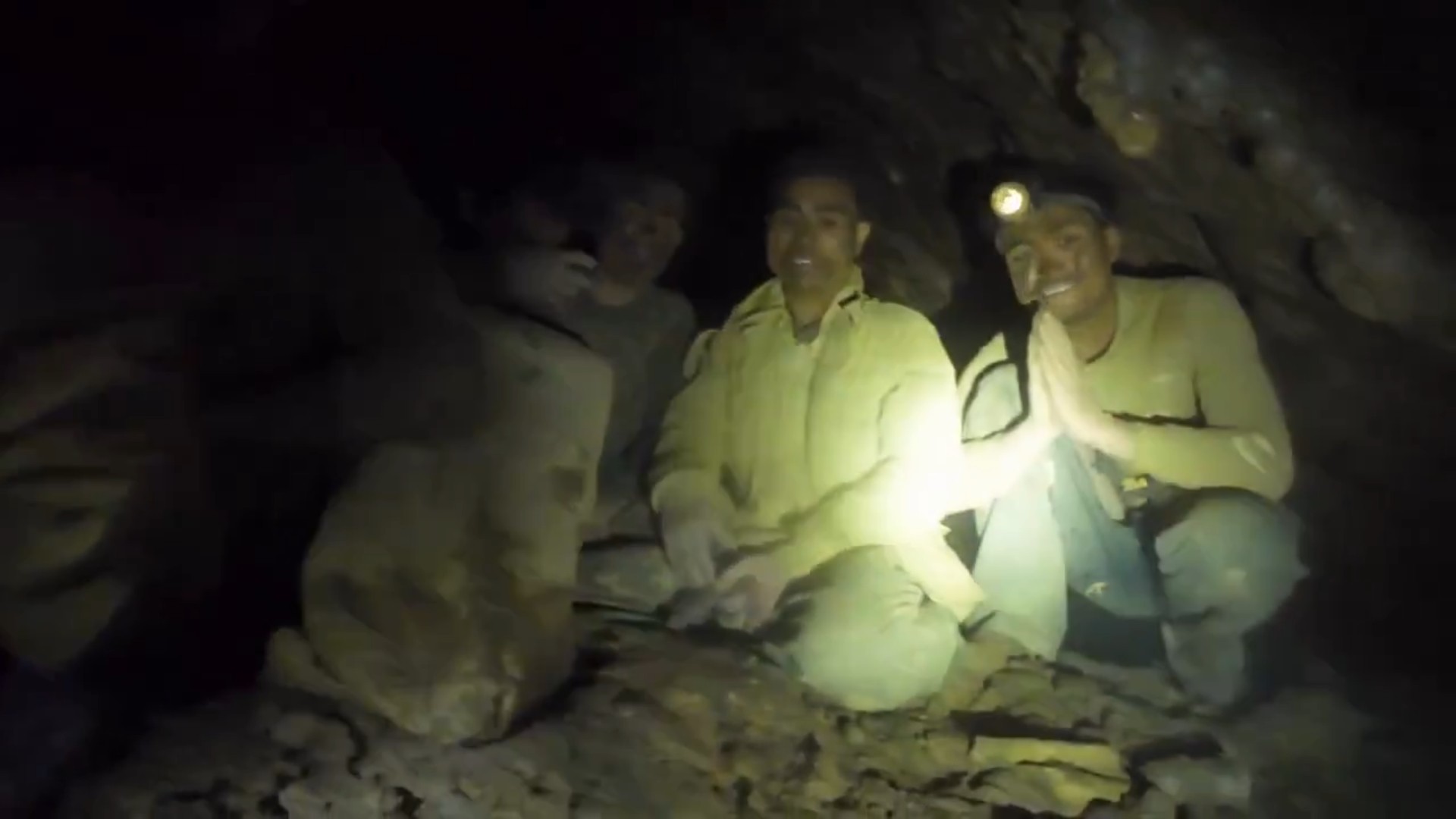
Divers try to bring food to survivors trapped in cave in Laos: 'Getting them out won't be easy'
Watch the moment rescue team finds 5 of the missing in cave in LaosDivers taking part in the rescue of five survivors who were trapped in a flooded cave in Laos...
Noticia
27/05/2026
How to play the classic "Careless Whisper" on the guitar and move anyone in the first chords
Few songs can create such an intense and nostalgic atmosphere as George Michael's "Careless Whisper." From the first few seconds, the famous solo transports any...
Noticia
27/05/2026
Learn to play Chega, the country music that turns pain into a new beginning
Chega, by Zezé Di Camargo & Luciano, is one of those songs that speak directly to those who are tired of suffering for love. The lyrics bring a strong feeling o...
Participe da conversa
Seu comentario ajuda a manter a discussao viva e ainda convida outros leitores a continuar navegando pelo portal.
Seja o primeiro a comentar esta noticia.