



Leia a noticia completa
"Good brothers, good comrades, good friends."
This is the phrase that Chinese leader Xi Jinping used on several occasions to describe his country's relationship with Cuba.
And it is not just a diplomatic slogan, but a reflection of the strong bond that the two nations have built over decades.
The island is considered one of Beijing's main bridges with Latin America, and the ideological and political ties between the two countries are historic and long-standing. As have their economic ties.
But despite this special relationship, China has acted cautiously in the face of one of the Caribbean nation's worst crises.
Why is the Asian giant not providing more aid to its historic ally?
Beijing's gestures
It is undeniable that China has made significant gestures towards Cuba in recent decades, but its support appears to be limited by strategic, economic and geopolitical considerations.
For years, China has been a key trading partner for Cuba and, on more than one occasion, allowed the country to restructure its debts in the face of economic difficulties in order to honor its payments.
"For a long time, we saw a relationship based on the idea of helping Cuba from a primarily political and ideological perspective. And that continues today," says Margaret Meyers, director of the Asia-Latin America Program at the Inter-American Dialogue, a Washington-based think tank.
In the midst of the current crisis, worsened by the threat of US sanctions on oil shipments to the island since the end In January, China sent several donations to Cuba.
These donations include almost 60 thousand tons of rice and a donation of US$80 million for electrical equipment and energy infrastructure.
China has also supported Cuba with investments and direct donations for the development of renewable energy, mainly through the installation of photovoltaic parks that would allow the island to depend less on its scarce oil.
According to the energy think tank Ember, Cuba is undergoing one of the fastest solar energy revolutions in the world with assistance from Beijing.
The value of imports of photovoltaic solar panels and batteries from China to Cuba increased by more than 1,800% between 2020 and 2025, according to data released by Ember to CNN.
Limited support
Experts consulted by BBC News Mundo (BBC news service in Spanish) say that, although Chinese solidarity has been significant for Cubans, its support remains limited.
For Helen Yafe, researcher at Latin American political economy from the University of Glasgow, "China has been very emphatic, clearly declaring its opposition to the measures taken by the US and defending Cuba's right to have its own economic and political system. But these are just words. In terms of concrete actions, support has been limited."
It was also evident that China adopted a more restrained stance than other Havana allies, such as Russia and Venezuela. Meyers.
Business aside
Cuba has been no exception to the pragmatic and strategic approach with which China conducts its economic policy.
For Beijing, the benefits of the commercial relationship with Cuba are limited, and this is reflected in commercial exchanges between the two countries.
Cuba is far from being China's largest trading partner in Latin America. Its economic integration is substantially greater when considering trade with countries such as Argentina, Brazil or Chile.
China's imports from Cuba - of products such as nickel, zinc and others - decreased by almost US$600 million between 2017 and 2022, according to data from The World Integrated Trade Solution (WITS).
Although, according to Havana, trade increased between 2024 and 2025.
Emily Morris, researcher at the Institute of the Americas at University College London (UCLIA), states that Chinese aid has been crucial, especially in the energy sector.
However, she also maintains that "China does not want to simply pour money into Cuba as if it were a bottomless pit. It does not want to assume the role of the former Soviet Union. It does not want other countries to depend on it. Relations operate according to criteria and prices market."
"From a strictly commercial point of view, China does not have much to gain from Cuba. It has not been a particularly profitable place," adds Meyers.
For the academic, Beijing's approach responds, among other factors, to China's own economic interests and its industrial policy: "China today has less capital available to invest globally and needs to direct it in a much more specific and strategic way."
"And if operating in a region proves problematic - for economic, geopolitical or security reasons - that capital is redirected elsewhere. And that's exactly what we're seeing now."
The US factor
The fact that the US is on the other side of the Cuban crisis is not a minor factor in the equation for China.
The economic and energy crisis affecting the island - exacerbated by the US oil embargo and American political pressure on Cuba - is viewed with concern by Beijing.
China has condemned the embargo and the blockade and recently did the same regarding Donald Trump's decision to indict former president Raúl Castro.
As concern grows in Havana about a possible intervention, Chinese Foreign Ministry spokesman Guo Jiakun declared that "the US must stop using sanctions and the judicial system as tools of oppression against Cuba and refrain from making threats to use force at any time."
But, according to experts, China is far from assuming a role that goes beyond pro-Cuba rhetoric and that puts its own relationship with the USA.
In this sense, Trump's renewed "Monroe Doctrine" in Latin America is fundamental.
The White House has made it clear that the emphasis on "America for Americans" aims to contain foreign influences - such as China - in the region.
For Shawn Yuan, editor of the BBC Chinese service, the signals given by the US with its intervention in Venezuela and its campaign to regain absolute control in the hemisphere have had an impact on Beijing's perspective.
"China understands perfectly what this means for the US", he says.
"Beijing is not in a position to get deeply involved in Cuban affairs. Definitely not in the context of Trump's very strong narrative regarding the island," he adds.
Meyers argues that "any action by China in Cuba - and some suggest that it could offer more financing or other support to the Cuban people - could be seen as problematic by Washington."
In this sense, experts say that Beijing is trying to strike a delicate balance between demonstrating that being an ally remains valuable and, at the same time, maintaining a healthy relationship with the US.
"It's about acting more cautiously, at least for now. That doesn't mean China is pulling out. But we are seeing more discreet and less publicly visible relations."
Yuan adds that "from a purely economic perspective, the US is a much more important partner for China."
"Angrying the US with a small economy like Cuba's is not in China's interests.
Cuba is simply not that important to China economically."
Regarding the island's expectations, Cuban economist Tamarys Bahamonde states that "China's aid will likely continue to be in the form of moral support."
The other island
The Taiwan factor is also a key element that experts highlight to explain China's position toward Cuba.
Beijing considers Taiwan part of its territory, and Xi Jinping himself described the issue during Trump's recent visit as "the most important" in the bilateral relationship with the US.
"In the case of China, the geopolitical situation is very complex because, if China says to the US: 'Stay out of Taiwan and don't get involved in our region', the US can adopt exactly the same position in relation to the Americas", argues Yafe.
Yuan recalls, in the same vein, the words of the American president upon returning to Washington after his visit to China: "Trump pointed out something very interesting: that Taiwan is only 95 kilometers from mainland China. 'We are 15,300 kilometers away, and that is a problem,' he said. And that's exactly the same sentiment that Beijing probably shares."
"We could literally replace the word Taiwan with Cuba and mainland China with the US, and it would be exactly the same thing." For Yuan, the ideological similarities between China and Cuba do not necessarily trump all the other strategic calculations Beijing has regarding Taiwan. of communist ideas beyond its borders is not necessarily a top priority.
For this reason, strategic calculations seem to carry more weight at this time.
"Probably China's most important partner is Russia. This is not really about Venezuela, Cuba or North Korea. Putin's idea of challenging US-led Western hegemony after World War II is something Xi Jinping deeply shares," says Yuan.
Source: G1
Collision between van and truck leaves 13 dead in China
An overcrowded van collided this Thursday (28) with a truck in central China, killing 13 people and injuring three, au...Fire in female school dormitory kills at least 10 students in Kenya, says local radio
A fire at a dormitory in Kenya's central Nakuru region killed at least 10 students, Capital FM radio reported on Thurs...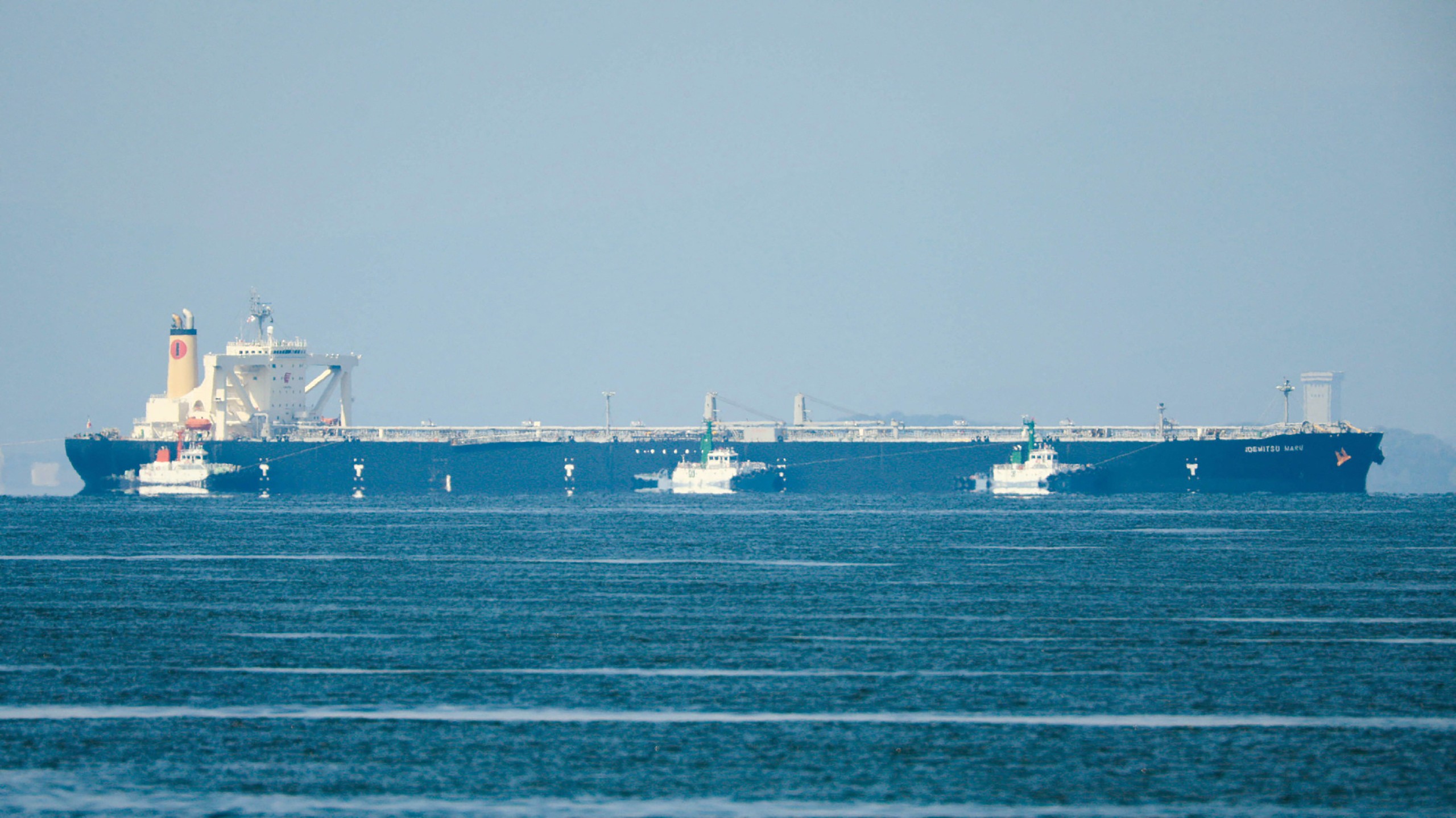
US sanctions body created by Iran to collect fees in the Strait of Hormuz
Oil tanker sails near the city of Chita, in Aichi Prefecture, after becoming the first Japan-bound tanker to transit t...
Toque agora.




Historias das musicas em destaque
 Historia da musica
Learn how to play "I Love You" and discover why Billie Eilish moves millions with just a few chords
27/05/2026
There are songs that seem simple at first, but carry an emotional intensity that is difficult to explain. "I Love You", by Billie Eilis...
 Historia da musica
How to play the classic "Careless Whisper" on the guitar and move anyone in the first chords
27/05/2026
Few songs can create such an intense and nostalgic atmosphere as George Michael's "Careless Whisper." From the first few seconds, the f...
 Historia da musica
Learn to play Chega, the country music that turns pain into a new beginning
27/05/2026
Chega, by Zezé Di Camargo & Luciano, is one of those songs that speak directly to those who are tired of suffering for love. The lyrics...
 Historia da musica
Learn how to play Total Eclipse Of The Heart, Bonnie Tyler's classic that chills the guitar
26/05/2026
Total Eclipse Of The Heart is one of those songs that seems to be born ready to move people. In Bonnie Tyler's striking voice, the song...
 Historia da musica
Learn to play Memonça Boa on the guitar and feel the strength of this passionate fashion
26/05/2026
Membrança Boa, by Traia Véia, is one of those songs that seem simple, but reach straight to the heart. The song talks about the end of...
 Historia da musica
Learn to play Bete Balanço: the Frejat classic that has energy, attitude and an unforgettable chorus
25/05/2026
Bete Balanço is one of those songs that carries movement from the first chord. With lyrics full of image, dreams, risk and youth, the s...
 Historia da musica
Learn to play Star, by Simply Red, the chord that transforms feelings into guitar
24/05/2026
Star, by Simply Red, is one of those songs that mix romanticism, regret and a striking melody, perfect for those who like to play somet...
 Historia da musica
Learn to play Die With a Smile: the emotional ballad by Lady Gaga and Bruno Mars that conquered the world on guitar
24/05/2026
"Die With a Smile" is one of those songs that already looks like a classic. In the meeting of two giant voices of pop music, Lady Gaga...
 Historia da musica
Learn to play Rasgando a Madrugada, Eduardo Costa's perfect song for guitar
24/05/2026
Rasgando a Madrugada, by Eduardo Costa, is one of those songs that seem to be born in the silence of the night. The song carries the we...
 Historia da musica
Learn to play Autor Da Vida, the Oficina G3 classic that speaks straight to the heart
23/05/2026
Learn to play Autor Da Vida, the Oficina G3 classic that speaks straight to the heart Autor Da Vida, by Oficina G3, is one of those son...
Mais noticias para voce
 Noticia
28/05/2026
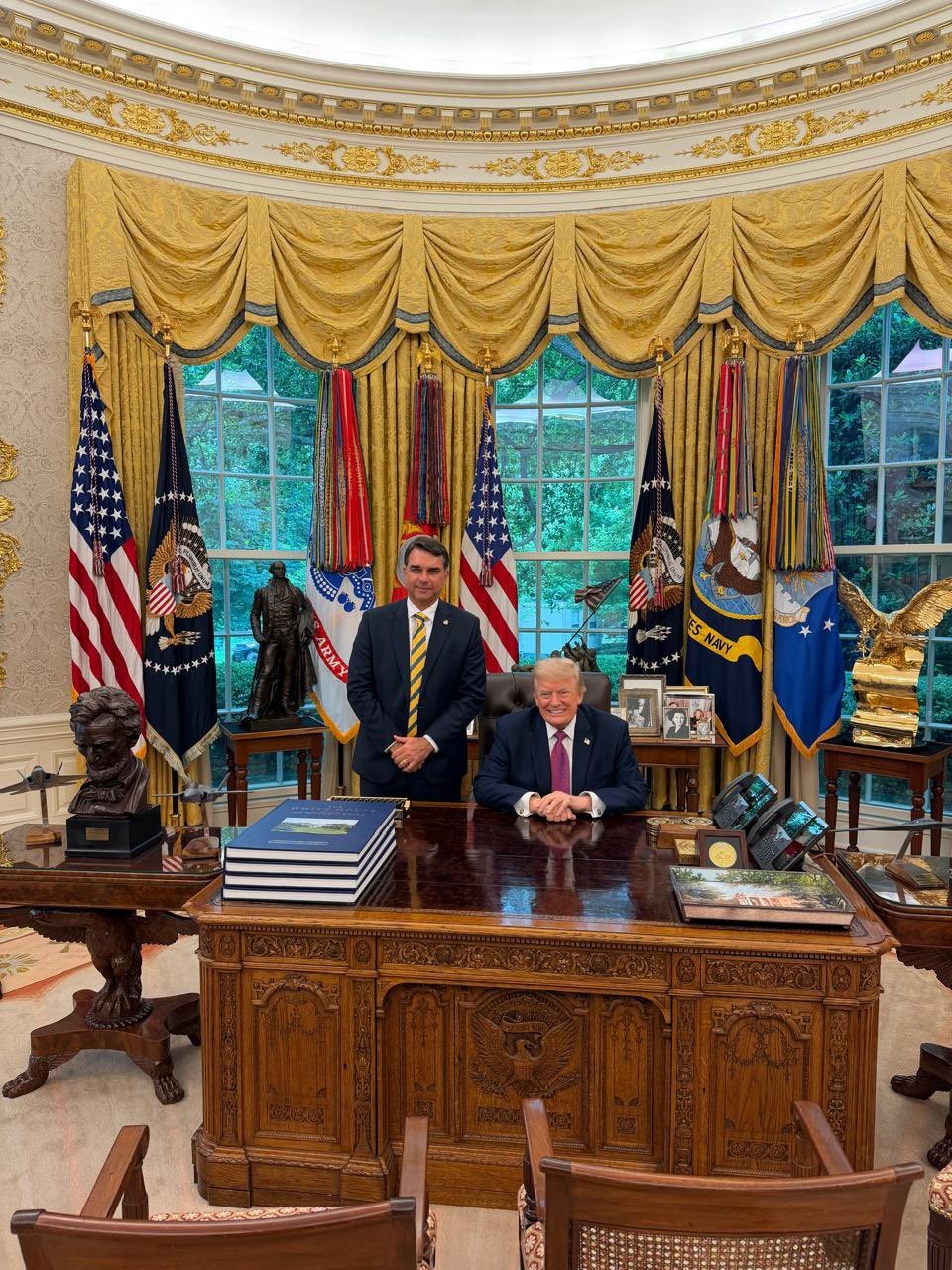
The meeting between Flávio and Trump and American interests in the Brazilian election - The Issue #1729
On Tuesday afternoon (26), Flávio Bolsonaro was received by the American president at the White House and achieved some goals in this meeting: a photo next to D...
 Noticia
28/05/2026
Understand the complaints that FIFA faces because of the high ticket prices for the World Cup
FIFA is investigated in the US for high World Cup ticket pricesThe attorneys general of New York and New Jersey have opened an investigation into FIFA's ticket...
 Noticia
28/05/2026
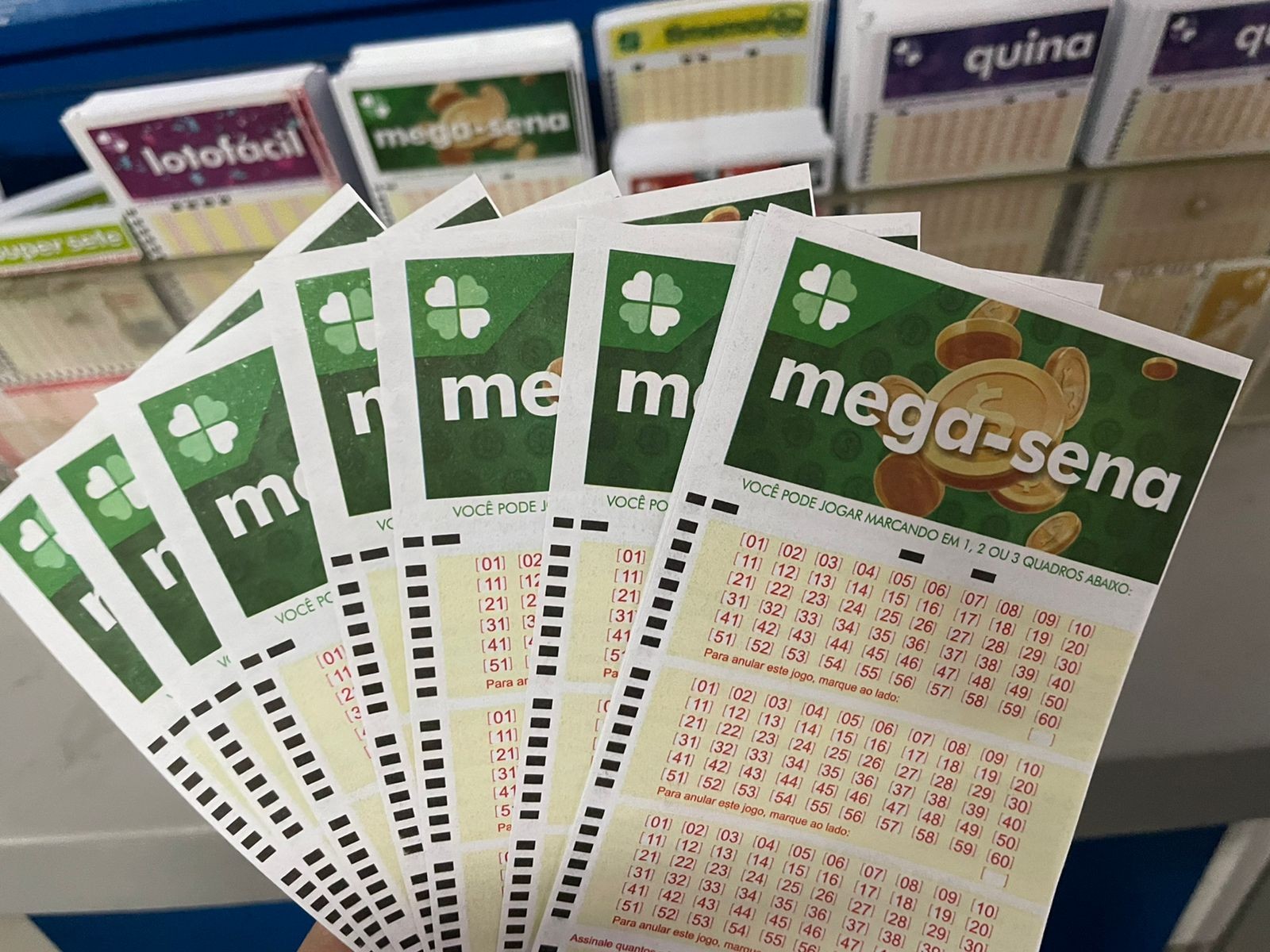
Mega-Sena can pay R$6 million this Thursday; g1 broadcasts live
How does the Mega-Sena work?The Mega-Sena contest 3,011 can pay out a prize of R$6 million for those who guess the six numbers correctly. The draw takes place a...
 Noticia
28/05/2026
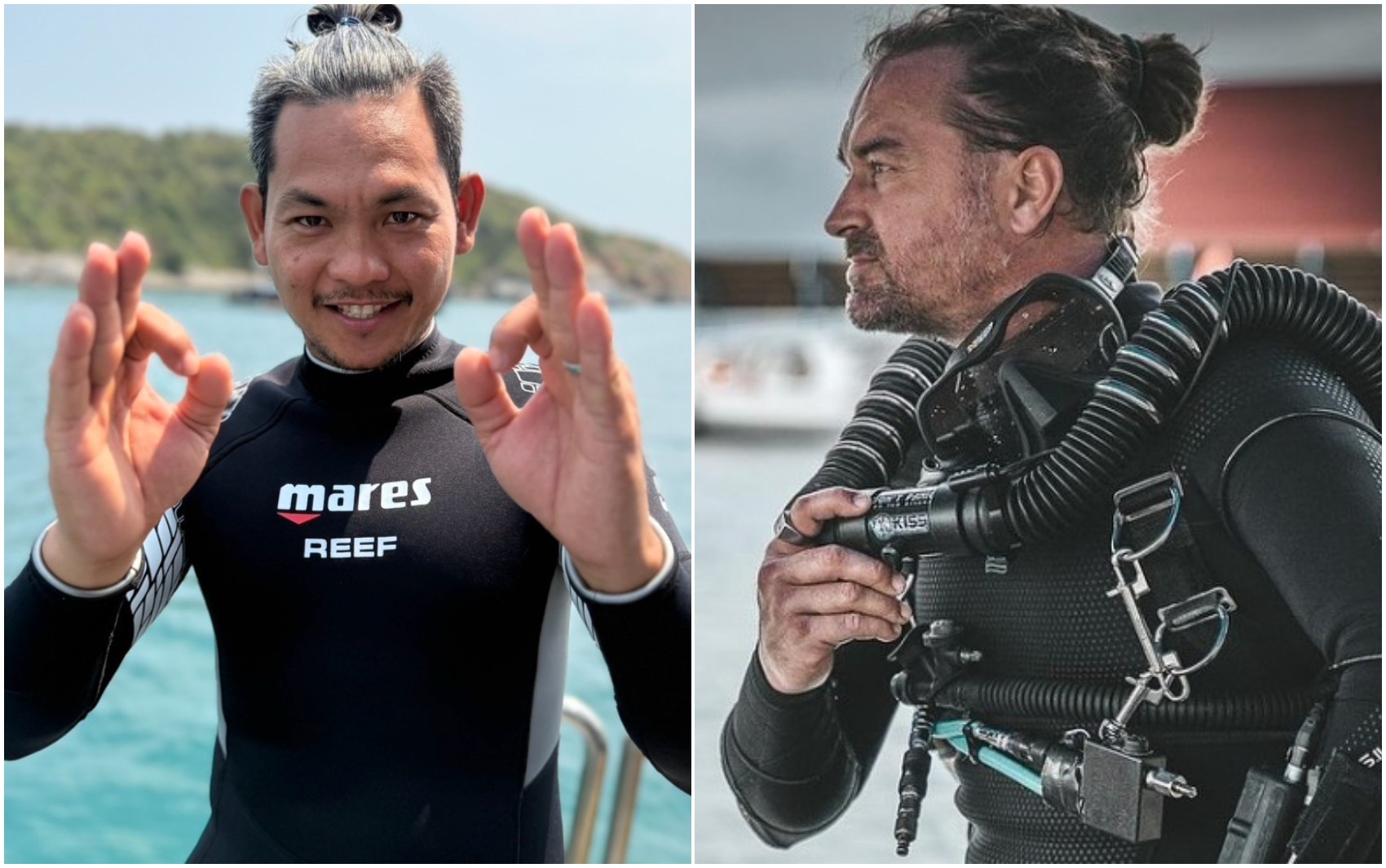
Cave in Laos: divers involved in the search participated in the rescue of the boys from Thailand
Norrased Palasing and Mikko PaasiReproduction/Social MediaDivers working to rescue five survivors who were trapped in a flooded cave in Laos also participated i...
Noticia
27/05/2026
Learn how to play "I Love You" and discover why Billie Eilish moves millions with just a few chords
There are songs that seem simple at first, but carry an emotional intensity that is difficult to explain. "I Love You", by Billie Eilish, is exactly like that....
Noticia
27/05/2026
How to play the classic "Careless Whisper" on the guitar and move anyone in the first chords
Few songs can create such an intense and nostalgic atmosphere as George Michael's "Careless Whisper." From the first few seconds, the famous solo transports any...
Participe da conversa
Seu comentario ajuda a manter a discussao viva e ainda convida outros leitores a continuar navegando pelo portal.
Seja o primeiro a comentar esta noticia.