




Leia a noticia completa
The world is going through a period of strong energy instability. Geopolitical conflicts, trade tensions and the dispute over fossil fuels have exposed the vulnerability of countries dependent on imported oil and gas. Price volatility and competition for strategic resources have placed energy security at the center of State decisions.
In this scenario, Brazil occupies a rare position among large economies: it has a mostly renewable electrical matrix, with a strong hydraulic presence and independence from fossil fuels for energy generation. This condition, built over decades, should be treated as a national strategic asset.
Underutilized water potential
Despite this advantage, the country still uses only part of its hydroelectric potential. There are many projects listed, of different sizes, that could expand the supply of firm energy, reinforce the reliability of the system and reduce the need to activate fossil thermal plants.
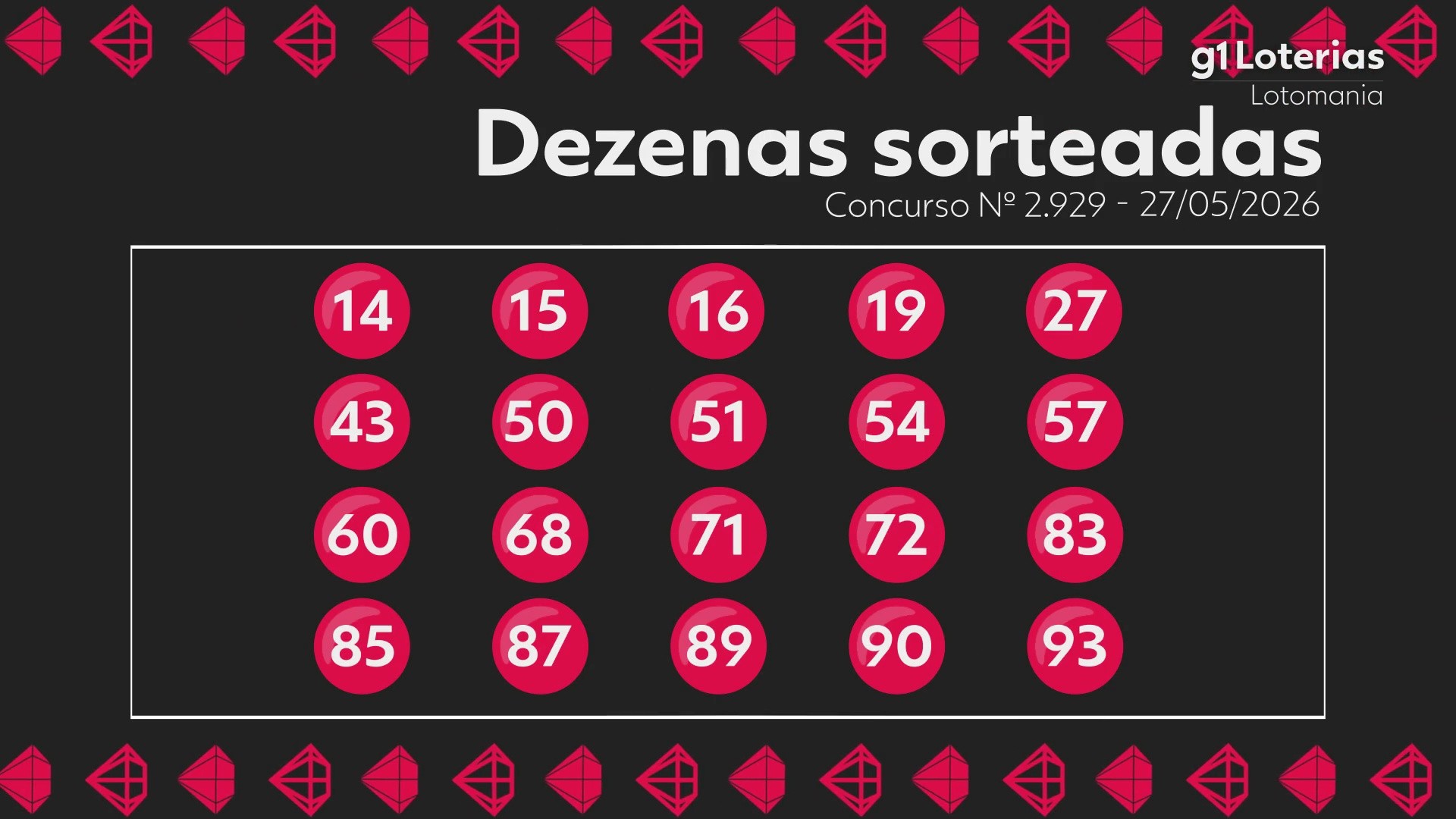
Lotomania today: results of contest 2929 and numbers drawn
Lotomania Resultg1See below the draw numbers for Lotomania contest 2929 held this Wednesday (27):14 - 15 - 16 - 19 - 2...
Dupla Sena today: results of contest 2962 and numbers drawn
Dupla Sena resultg1See below the draw numbers for Dupla Sena contest 2962 held this Wednesday (27):1st draw: 17 - 24 -...
Super Sete today: results of contest 852 and numbers drawn
Super Sete steering wheelsG1See below the numbers drawn from the columns in contest 852 of Super Sete held this Wednes...
Small Hydroelectric Power Plants (PCHs) and Hydroelectric Generating Plants (CGHs) are part of this potential, they are part of the solution. These are projects distributed throughout the territory, close to loads, with a low carbon footprint and the ability to provide essential attributes to the National Interconnected System (SIN), such as generation modulation, operational flexibility and ancillary services.
Hydropumping as a solution
The accelerated expansion of intermittent sources - wind and solar - has brought relevant gains, but also challenges. The abrupt drop in solar generation in the late afternoon requires sources capable of responding quickly to demand. The most urgent solution then translates into one word: storage. Storage that translates into two options: The first, a smaller volume acting chemical battery (BESS), with a potential of a few hours, a short useful life, with no plan for disposal in nature for the thousands of modules that are coming.
The second, natural battery, the best we have, a real shock absorber for the System: Reversible hydroelectric plants. Smaller lakes that can be quickly created and adapted to existing and new hydroelectric projects of all sizes, potentially doubling the country's storage capacity, consolidating long-term energy security and generating energy in the most efficient way possible at peak consumption times. There just needs to be a government will to do this because we have plenty of expertise to implement it. It's Brazil's vocation!
Toque agora.



The resumption of hydroelectric plants of all sizes, with compatible reservoirs, is essential to restore balance to the system. Allows flow regulation, frequency control and operation support at critical moments.
Flexibility and reliability: increasingly necessary attributes
SIN has shown a growing need for flexibility and reliability. The integration of large volumes of intermittent sources requires rapid response capacity, stability and generation predictability. Hydroelectric plants - including small ones - offer these attributes on a continuous basis.
Small hydroelectric plants, part of this solution, can help a lot as they are close to consumption centers. PCHs and CGHs reduce electrical losses and reduce the need for investments in transmission. In regions with limited network infrastructure, these ventures help to alleviate bottlenecks and reinforce supply security.
Economic and regulatory impacts
The discussion about the role of hydroelectric plants also involves regulation and economic rationality. Recent studies show that, when systemic attributes, useful life, transmission costs and externalities are considered, hydroelectric plants are more competitive than those reflected in traditional auction prices.
The ongoing regulatory modernization, including the implementation of Law No. 15,269/2025, opens up space to correct distortions and adequately value the attributes of hydroelectric plants.
The correct interpretation of topics such as reliability, external unavailability and compensation for generation cuts will be decisive for the sustainable expansion of the segment.
Regional development and socio-environmental benefits
Small hydroelectric plants have a low environmental impact and a direct positive impact on regional development. These are ventures that generate local jobs, increase the Human Development Index (HDI) of municipalities and stimulate activities such as tourism and fish farming. Its reservoirs contribute to regulating flows, preserving springs and improving the environmental quality of rivers.
Environmental studies show that many projects promote three times more forest restoration compared to the area originally removed, reinforcing the low impact nature and socio-environmental contribution of these plants.
A strategic opportunity for Brazil
The international situation shows that countries dependent on fossil fuels face high risks. Oil is a financial asset sensitive to exchange rates, while hydroelectric power is an infrastructure asset that does not depend on it. Brazil, by strengthening its hydraulic base and valuing its water potential, consolidates a position of energy security that is rare in the world. This is a strategic opportunity to reinforce economic competitiveness, reduce systemic costs and advance the energy transition with stability.
Brazil's response to the global energy crisis is, in fact, in its rivers. Recognizing and harnessing this potential is essential to ensuring steady energy, reliability and energy sovereignty in the coming decades.
* Alessandra Torres is the Executive President of Abrapch, an entity representing the sector of small hydroelectric plants and hydroelectric generating plants
The articles published by CNN Infra seek to stimulate debate, reflection and shed light on views on the main challenges, problems and solutions faced by Brazil and other countries in the world. The texts published in this space do not necessarily reflect the opinion of CNN Brasil.
Source: CNN

Historias das musicas em destaque
 Historia da musica
Learn how to play "I Love You" and discover why Billie Eilish moves millions with just a few chords
27/05/2026
There are songs that seem simple at first, but carry an emotional intensity that is difficult to explain. "I Love You", by Billie Eilis...
 Historia da musica
How to play the classic "Careless Whisper" on the guitar and move anyone in the first chords
27/05/2026
Few songs can create such an intense and nostalgic atmosphere as George Michael's "Careless Whisper." From the first few seconds, the f...
 Historia da musica
Learn to play Chega, the country music that turns pain into a new beginning
27/05/2026
Chega, by Zezé Di Camargo & Luciano, is one of those songs that speak directly to those who are tired of suffering for love. The lyrics...
 Historia da musica
Learn how to play Total Eclipse Of The Heart, Bonnie Tyler's classic that chills the guitar
26/05/2026
Total Eclipse Of The Heart is one of those songs that seems to be born ready to move people. In Bonnie Tyler's striking voice, the song...
 Historia da musica
Learn to play Memonça Boa on the guitar and feel the strength of this passionate fashion
26/05/2026
Membrança Boa, by Traia Véia, is one of those songs that seem simple, but reach straight to the heart. The song talks about the end of...
 Historia da musica
Learn to play Bete Balanço: the Frejat classic that has energy, attitude and an unforgettable chorus
25/05/2026
Bete Balanço is one of those songs that carries movement from the first chord. With lyrics full of image, dreams, risk and youth, the s...
 Historia da musica
Learn to play Star, by Simply Red, the chord that transforms feelings into guitar
24/05/2026
Star, by Simply Red, is one of those songs that mix romanticism, regret and a striking melody, perfect for those who like to play somet...
 Historia da musica
Learn to play Die With a Smile: the emotional ballad by Lady Gaga and Bruno Mars that conquered the world on guitar
24/05/2026
"Die With a Smile" is one of those songs that already looks like a classic. In the meeting of two giant voices of pop music, Lady Gaga...
 Historia da musica
Learn to play Rasgando a Madrugada, Eduardo Costa's perfect song for guitar
24/05/2026
Rasgando a Madrugada, by Eduardo Costa, is one of those songs that seem to be born in the silence of the night. The song carries the we...
 Historia da musica
Learn to play Autor Da Vida, the Oficina G3 classic that speaks straight to the heart
23/05/2026
Learn to play Autor Da Vida, the Oficina G3 classic that speaks straight to the heart Autor Da Vida, by Oficina G3, is one of those son...
Mais noticias para voce
 Noticia
28/05/2026
At 43, João Vicente de Castro says he is ready for fatherhood
Actor João Vicente de Castro, 43, made another statement about his desire to be a father. In the podcast "No Importance", which he presents alongside his collea...
 Noticia
28/05/2026
Melody, Pepita and Diego Martins give up LGBT+ Parade fee
The 30th edition of the São Paulo LGBT+ Pride Parade arrives on Avenida Paulista on June 7th. The event marks one of the biggest celebrations of the LGBT+ commu...
 Noticia
28/05/2026
Waack: Electoral interest halts serious debate on work
The reasons for discussing reduction in working hours and changes in work schedule are worthy. This is, without a doubt, a matter of enormous, profound and long...
 Noticia
28/05/2026
Film created and starring Anitta begins recording in June
Singer Anitta, 33, will star in a new romance film produced by Estúdios Globo. The production - which was created by the artist herself - marks the first time t...
Noticia
27/05/2026
Learn how to play "I Love You" and discover why Billie Eilish moves millions with just a few chords
There are songs that seem simple at first, but carry an emotional intensity that is difficult to explain. "I Love You", by Billie Eilish, is exactly like that....
Noticia
27/05/2026
How to play the classic "Careless Whisper" on the guitar and move anyone in the first chords
Few songs can create such an intense and nostalgic atmosphere as George Michael's "Careless Whisper." From the first few seconds, the famous solo transports any...
Participe da conversa
Seu comentario ajuda a manter a discussao viva e ainda convida outros leitores a continuar navegando pelo portal.
Seja o primeiro a comentar esta noticia.