




Leia a noticia completa
The United States will have a good deal with Iran or deal with the country "in another way", Secretary of State Marco Rubio said on Monday (25), as Washington played down hopes of an imminent breakthrough in the three-month-old war.
Rubio told reporters in New Delhi that the US would give diplomacy every chance of success before exploring "alternatives", after US President Donald Trump said on Sunday (24) that he had instructed his representatives not to rush into any deal with Iran.
There was "something pretty solid on the table in terms of their ability to open the strait, get the strait opened, get into a very real, meaningful, time-bound negotiation on the nuclear issue, and hopefully we can get that done," Rubio said.

'The Murder of Roger Ackroyd', 100 years old: why was Agatha Christie's novel voted the best whodunit of all time?
The crime writer Agatha ChristieAlamyIn 2013, the British Crime Writers Association (CWA) met to choose, as part of it...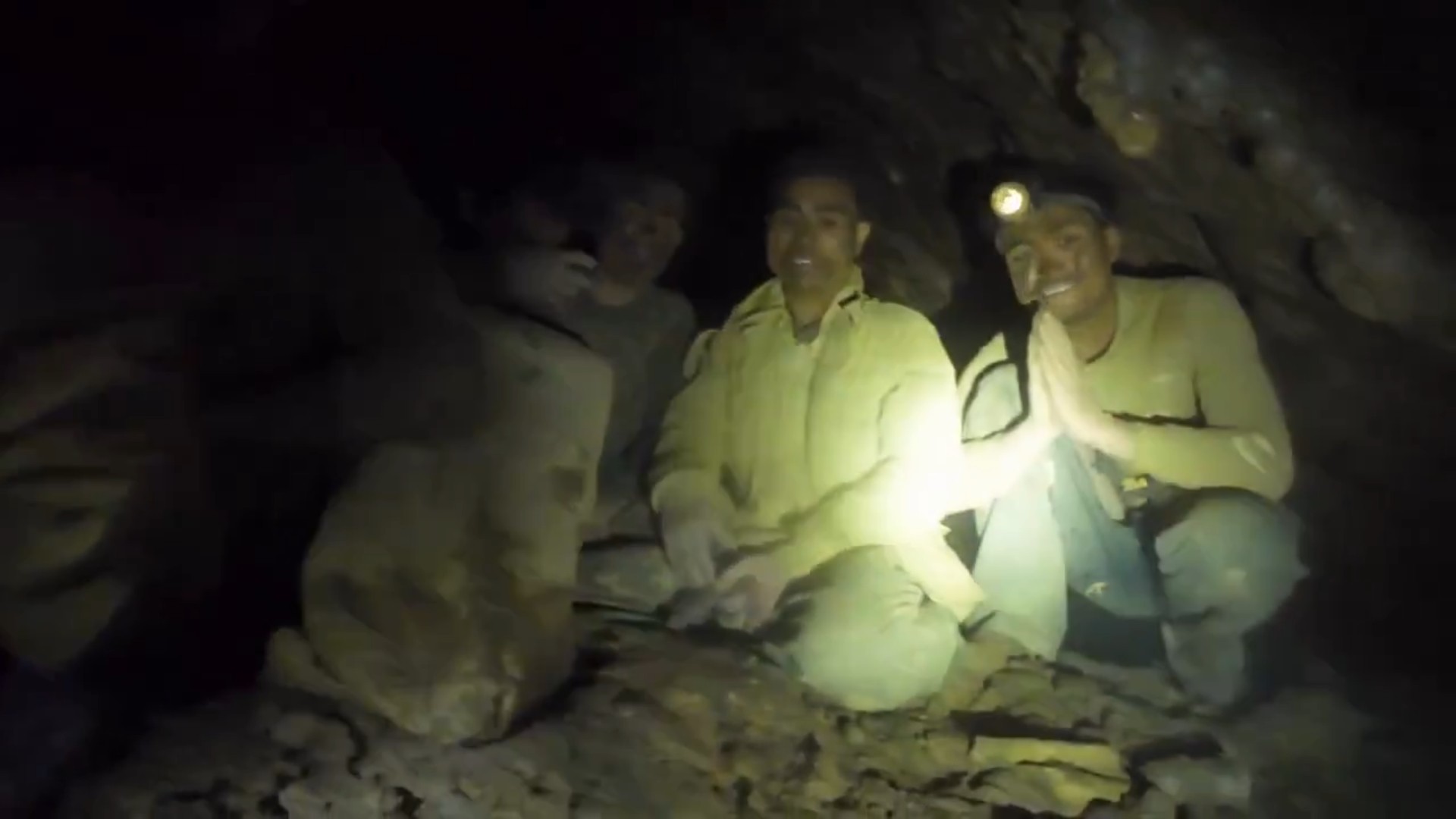
Divers try to bring food to survivors trapped in cave in Laos: 'Getting them out won't be easy'
Watch the moment rescue team finds 5 of the missing in cave in LaosDivers taking part in the rescue of five survivors...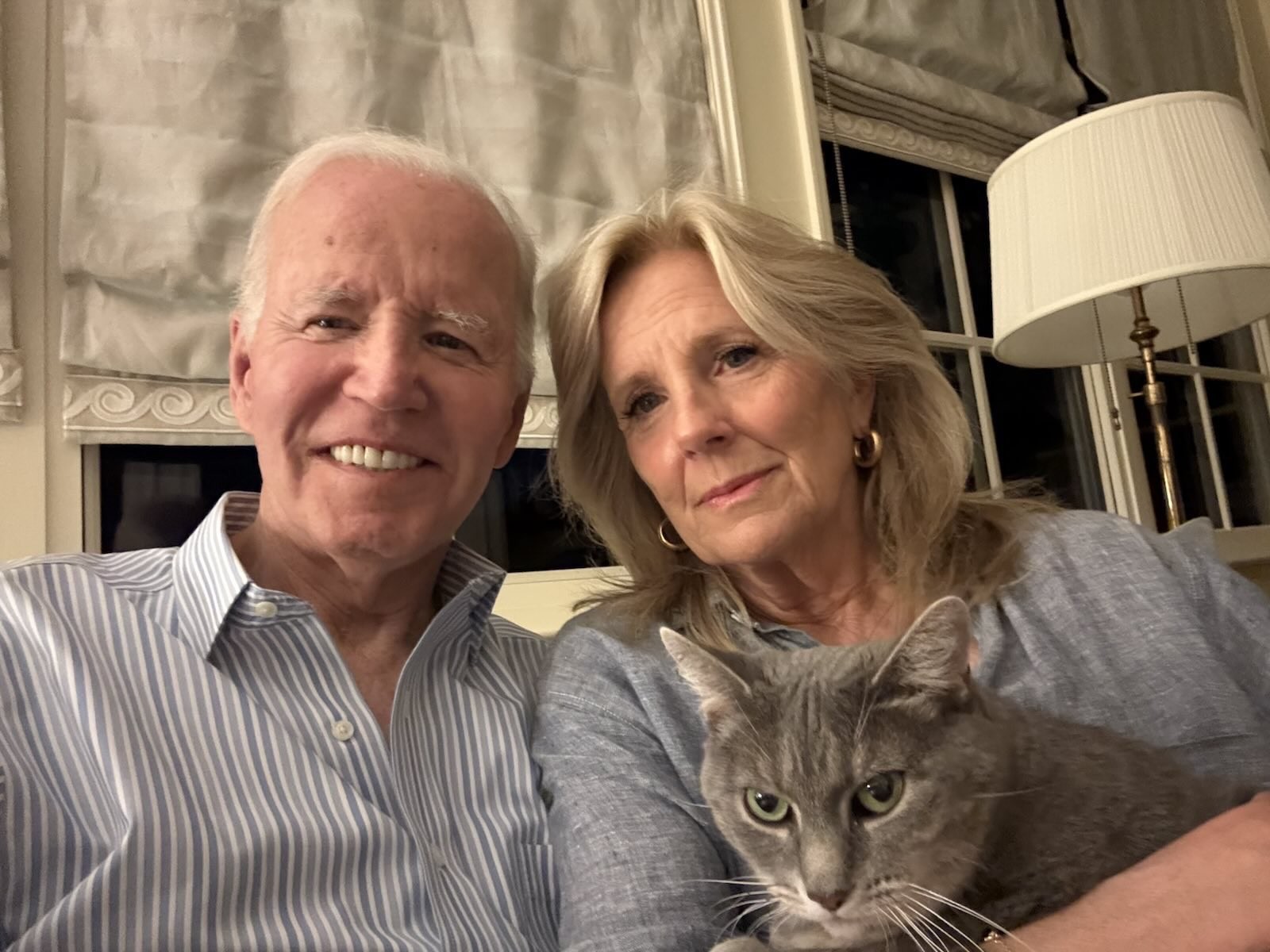
'I thought he was having a stroke', says Joe Biden's wife, about her husband's performance in the debate with Trump in 2024
Former US President, Joe Biden, in a photo with his wife, Jill Biden, and the couple's cat, in an image released on Ma...
A day earlier, Trump wrote on Truth Social that the U.S. blockade of Iranian ships in the Strait of Hormuz would "remain in full force until an agreement is reached, certified and signed."
He added: "Both sides must remain calm and do everything right."
There was no immediate response from the Iranian government. But Tasnim news agency, linked to Iran's Revolutionary Guards, said the US was still obstructing parts of a possible deal, including Tehran's demand for the release of frozen funds.
Toque agora.




Oil prices fell 6% on Monday, hitting two-week lows, as optimism grew that the United States and Iran were moving closer to a peace deal.
On Saturday (23), Trump raised expectations of an imminent agreement by stating that Washington and Tehran had "largely negotiated" a memorandum of understanding on a peace deal that would reopen the Strait of Hormuz.
Before the conflict, this important waterway transported one-fifth of global oil and liquefied natural gas shipments.
The two sides remain at odds on several difficult issues, including Iran's nuclear ambitions, Israel's war in Lebanon against the Iran-backed Hezbollah militia, and Tehran's demands for the lifting of sanctions and the release of tens of billions of dollars in Iranian oil revenues frozen in foreign banks.
Critical Points
A senior Trump administration official described what he said were the latest contours of the issues under negotiation. Speaking on condition of anonymity, the official said Iran had agreed "in principle" to open the Strait of Hormuz in exchange for the United States lifting the naval blockade and to dispose of Tehran's highly enriched uranium.
The US understood that Iran's Supreme Leader Ayatollah Mojtaba Khamenei had endorsed the general outline of the agreement, he added. There was no immediate confirmation from Iran or clarification on what an agreement "in principle" meant.
The American official said that Washington anticipated, first of all, the reopening of the strait and the lifting of the American naval blockade. Negotiating the details of nuclear measures would take longer.
The official refuted suggestions that Iran would not have agreed to part with its stockpile of enriched uranium.
"The question is how," said the official.
A second senior administration official said on Sunday that the proposed framework would give negotiators 60 days to reach a final agreement.
Iranian sources told Reuters that in future steps, "workable formulas" could be found to resolve the dispute over its stockpile of highly enriched uranium, including dilution of the material under the supervision of the UN nuclear agency.
Iran has long denied US and Israeli accusations that it is seeking to develop nuclear weapons and claims it has the right to enrich uranium for civilian purposes, even though the purity achieved far exceeds that needed for power generation.
Trump, whose popularity has been hit by the impact of the war on US energy prices, and who has faced congressional efforts to restrict his war powers, has repeatedly emphasized the possibility of a deal to end the conflict that began between the US and Israel on February 28.
A fragile ceasefire has been held since early April. The president countered criticism of his handling of the negotiations and his willingness to reach an agreement with Iran.
"If I make a deal with Iran, it will be a good and proper deal... So don't listen to the losers who criticize something they know nothing about," Trump posted on Sunday.
Any agreement that reinforces the current ceasefire, however fragile, will bring relief to markets but will not immediately resolve the global energy crisis, which has driven up the costs of fuel, fertilizer and food.
Joint US-Israeli bombings killed thousands of people in Iran before being suspended in early April.
Israel also killed thousands of people and forced hundreds of thousands from their homes in Lebanon, a country it invaded in pursuit of the militant group Hezbollah. Iranian attacks against Israel and neighboring Persian Gulf countries have caused dozens of deaths.
Why is the Strait of Hormuz so important to the world economy?
Source: CNN

Historias das musicas em destaque
 Historia da musica
How to play the classic "Careless Whisper" on the guitar and move anyone in the first chords
27/05/2026
Few songs can create such an intense and nostalgic atmosphere as George Michael's "Careless Whisper." From the first few seconds, the f...
 Historia da musica
Learn to play Chega, the country music that turns pain into a new beginning
27/05/2026
Chega, by Zezé Di Camargo & Luciano, is one of those songs that speak directly to those who are tired of suffering for love. The lyrics...
 Historia da musica
Learn how to play Total Eclipse Of The Heart, Bonnie Tyler's classic that chills the guitar
26/05/2026
Total Eclipse Of The Heart is one of those songs that seems to be born ready to move people. In Bonnie Tyler's striking voice, the song...
 Historia da musica
Learn to play Memonça Boa on the guitar and feel the strength of this passionate fashion
26/05/2026
Membrança Boa, by Traia Véia, is one of those songs that seem simple, but reach straight to the heart. The song talks about the end of...
 Historia da musica
Learn to play Bete Balanço: the Frejat classic that has energy, attitude and an unforgettable chorus
25/05/2026
Bete Balanço is one of those songs that carries movement from the first chord. With lyrics full of image, dreams, risk and youth, the s...
 Historia da musica
Learn to play Star, by Simply Red, the chord that transforms feelings into guitar
24/05/2026
Star, by Simply Red, is one of those songs that mix romanticism, regret and a striking melody, perfect for those who like to play somet...
 Historia da musica
Learn to play Die With a Smile: the emotional ballad by Lady Gaga and Bruno Mars that conquered the world on guitar
24/05/2026
"Die With a Smile" is one of those songs that already looks like a classic. In the meeting of two giant voices of pop music, Lady Gaga...
 Historia da musica
Learn to play Rasgando a Madrugada, Eduardo Costa's perfect song for guitar
24/05/2026
Rasgando a Madrugada, by Eduardo Costa, is one of those songs that seem to be born in the silence of the night. The song carries the we...
 Historia da musica
Learn to play Autor Da Vida, the Oficina G3 classic that speaks straight to the heart
23/05/2026
Learn to play Autor Da Vida, the Oficina G3 classic that speaks straight to the heart Autor Da Vida, by Oficina G3, is one of those son...
 Historia da musica
Learn to play Te Esperando: the exciting country music by Luan Santana that made Brazil sing on the guitar
23/05/2026
Te Esperando, by Luan Santana, is one of those country songs that sticks in your memory because it mixes romanticism, longing and the p...
Mais noticias para voce
 Noticia
27/05/2026
Smuggling and piracy generated record losses of R$514 billion in 2025
Brazil faced losses exceeding R$514 billion due to counterfeiting, smuggling and piracy in 2025, according to the ABCF (Brazilian Association to Combat Counterf...
 Noticia
27/05/2026
Cynthia Erivo hits back at critics who doubt her friendship with Ariana Grande
Actress Cynthia Erivo, 39, spoke in an interview with Variety magazine about her friendship with artist Ariana Grande, during the recording of the box office hi...
 Noticia
27/05/2026
Pará approves law that forces aggressors to pay for electronic ankle bracelets
The Legislative Assembly of Pará (Alepa) approved, this Tuesday (26), a Bill that obliges aggressors of women to pay for the electronic ankle bracelets used as...
 Noticia
27/05/2026
Brazilian dinosaur 'cried' to survive; understand why
A new study suggests that some semi-aquatic dinosaurs, such as Spinosaurus, could "cry salty tears" to eliminate excess salt from their bodies. The research, pu...
Noticia
27/05/2026
How to play the classic "Careless Whisper" on the guitar and move anyone in the first chords
Few songs can create such an intense and nostalgic atmosphere as George Michael's "Careless Whisper." From the first few seconds, the famous solo transports any...
Noticia
27/05/2026
Learn to play Chega, the country music that turns pain into a new beginning
Chega, by Zezé Di Camargo & Luciano, is one of those songs that speak directly to those who are tired of suffering for love. The lyrics bring a strong feeling o...
Participe da conversa
Seu comentario ajuda a manter a discussao viva e ainda convida outros leitores a continuar navegando pelo portal.
Seja o primeiro a comentar esta noticia.